Caring for a Lacquered Wood Surface in Singapore's Humid Weather
I learned the hard way about lacquered furniture in a tropical climate. Last March, I moved into a 4-room HDB flat in Tampines with a north-facing living room. The previous tenant had left a dark-stained sideboard that looked fine on move-in day. Within six weeks, the lacquer had developed a dull, cloudy bloom along the bottom edge where the panel met the floor. Humidity readings on my cheap hygrometer were hovering between 78% and 84% most afternoons. That single piece of furniture taught me more about wood lacquer than any showroom sales pitch ever could.
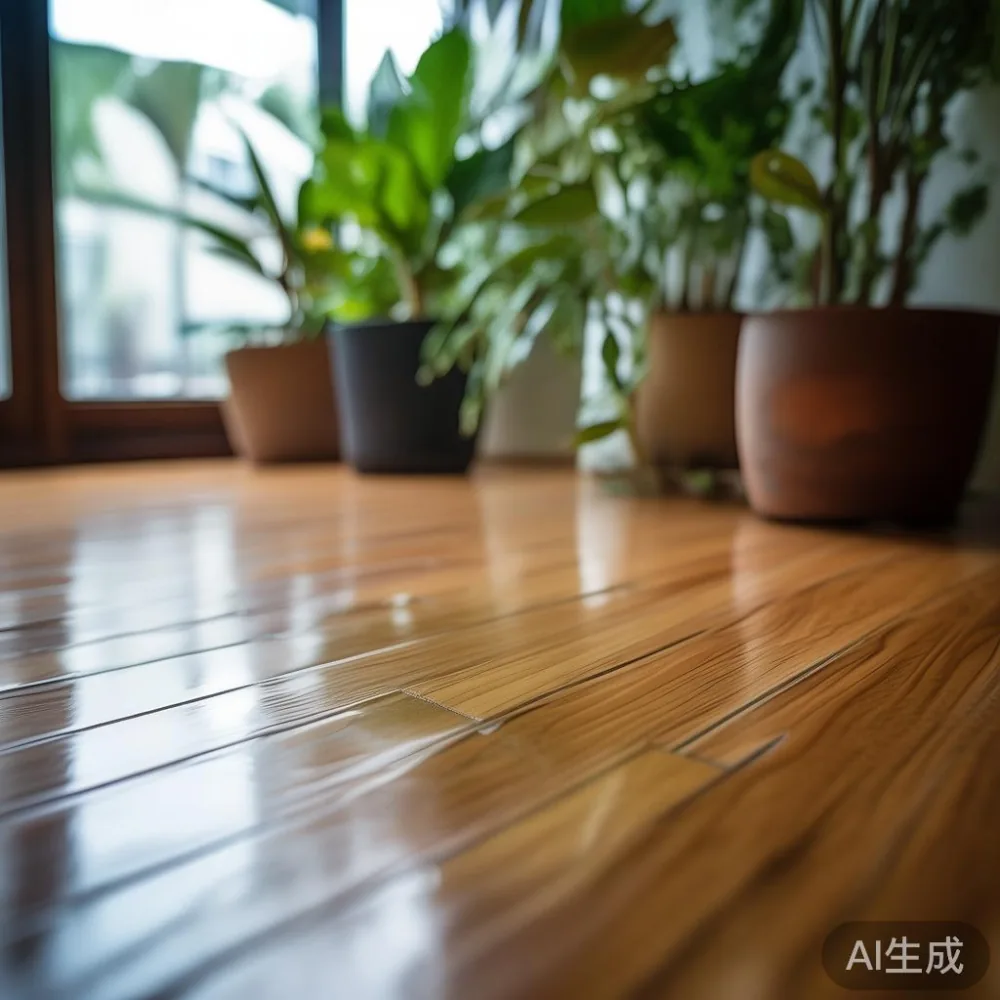
If you live anywhere between Punggol and Bedok, your home shares the same atmospheric reality as mine. Singapore's average relative humidity runs around 80% for most of the year, and indoor humidity in a non-chilled room can climb to 85% after a thunderstorm. A closed-up bedroom with the air-con off for a working week can easily reach those numbers. Lacquer is in effect a thin plastic shell bonded to wood, and that shell reacts to moisture, heat, and UV light in ways that surprise most first-time buyers. This guide covers the routine I now follow on my MIDHILL dining table and nightstand, plus the questions I get asked most often by friends renovating their condos.
Why Does Lacquer Behave So Differently in a HDB Flat?
Lacquer cures into a hard, water-resistant skin that is sensitive to three environmental inputs at once. The first is relative humidity. Lacquer film expands slightly when ambient moisture rises and contracts when it drops, which produces the cloudy "bloom" I saw on that Tampines sideboard. The second is direct UV, which yellows clear lacquers and fades pigmented ones within a year if the piece sits less than 1.5 m from an unfiltered window. The third is heat. Anything above 38 °C softens most household lacquers enough that a hot mug leaves a faint white ring on the surface.
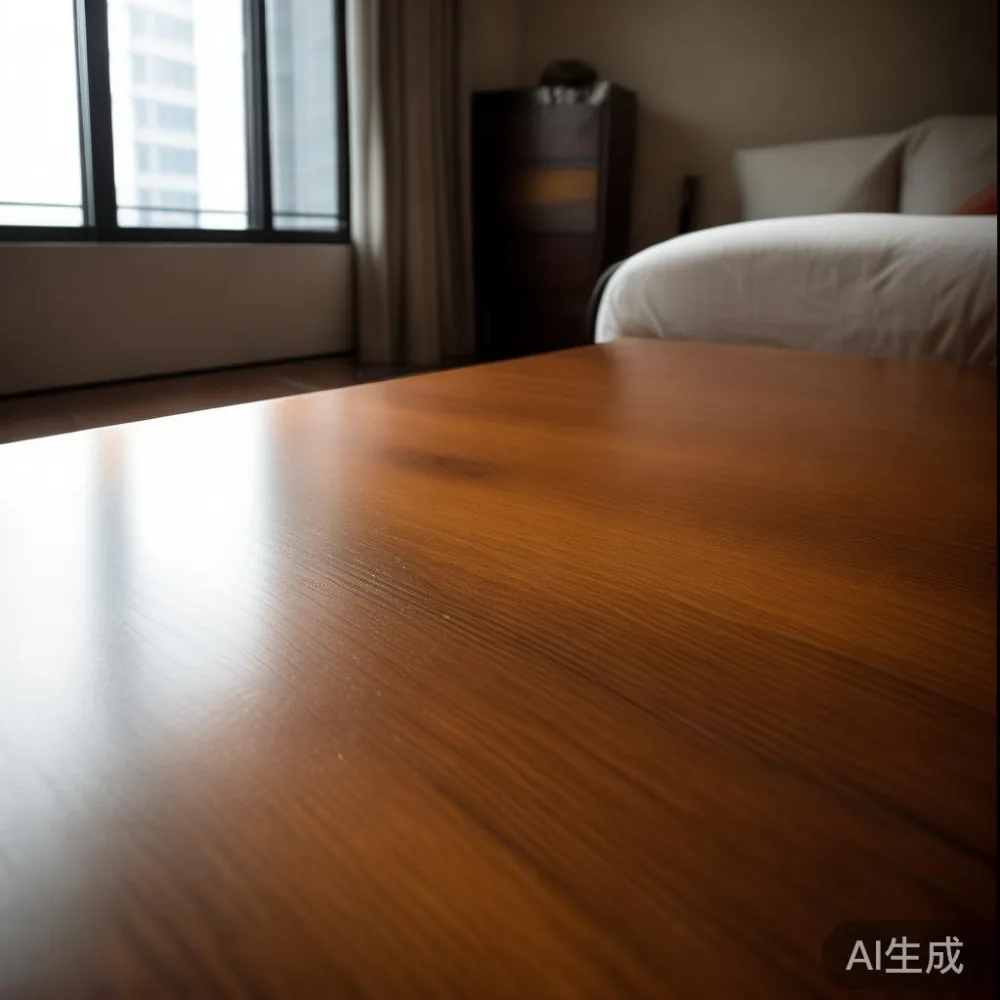
Your HDB or condo is not actually worse than a landed property for lacquer. The structure is more airtight, which is good. The problem is that most Singapore bedrooms run on a single split-unit air-conditioner that cycles on and off, and the door is closed for eight to ten hours a day. That closed environment can swing from 55% humidity at 3 a.m. to 82% by 7 p.m. A solid wood bed frame or wardrobe near that door takes the brunt of the swing. The fix is not a humidifier or a dehumidifier running 24/7. It is a small, consistent routine that I will walk through below.
What Is the Simplest Weekly Routine for a Lacquered Bed Frame or Wardrobe?
My weekly routine takes about 12 minutes for a queen-size bed frame and a 2-door wardrobe. I keep a small caddy with three items: a microfibre cloth (around SGD 8 for a pack of three at a Tampines Mart hypermarket), a 500 ml spray bottle of diluted furniture soap (two drops of pH-neutral dish soap in distilled water, total about SGD 4 to mix at home), and a dry cotton cloth for buffing.
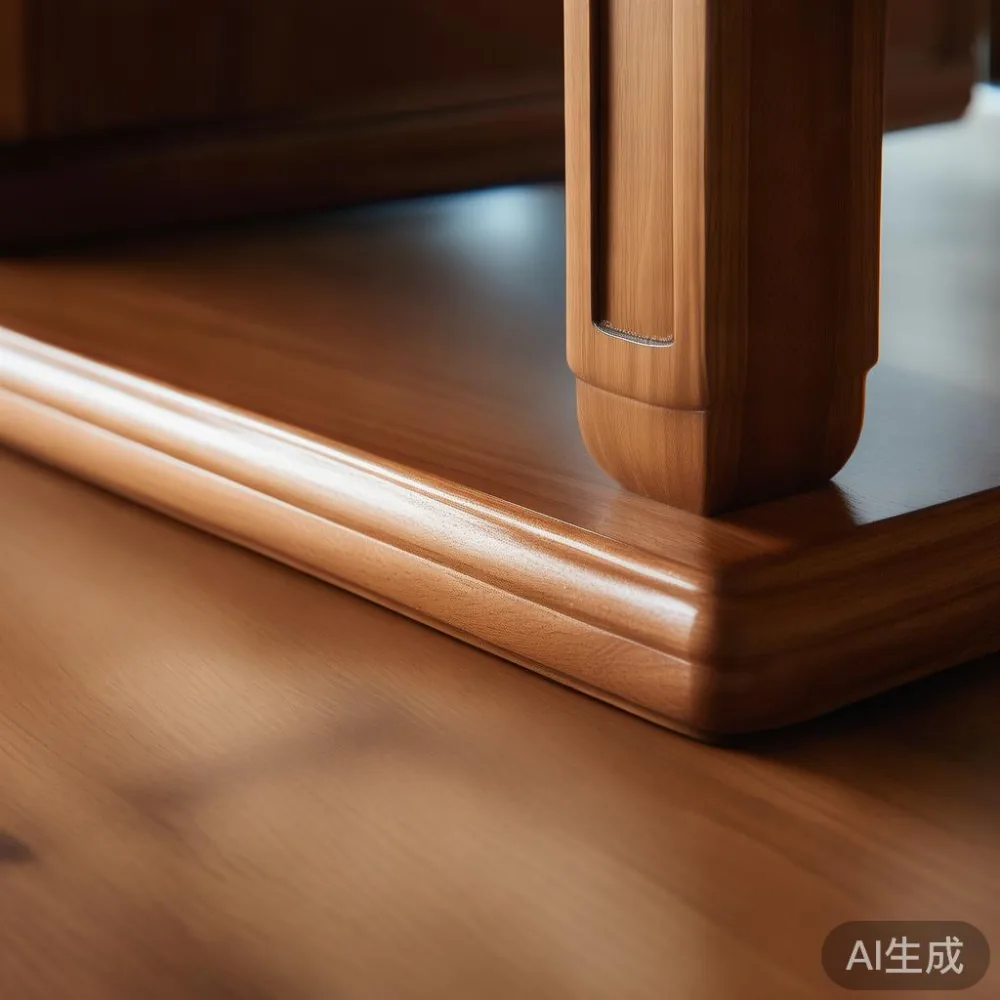
Step one is dusting with the dry microfibre, working top to bottom so debris does not fall onto clean panels. Step two is a single light pass with the damp cloth, wrung until almost dry. Lacquer hates standing water; the cloth should feel barely cool against your wrist. Step three is a 60-second buff with the dry cotton cloth, following the grain direction. On a six-piece bedroom set — bed frame, two nightstands, a tall wardrobe, a dressing bench, and a low chest — the whole pass takes me 18 minutes. I do it on Saturday morning while the air-con is still running, which keeps humidity stable at around 60%.
One habit change made the largest visible difference. I moved my reading lamp from the right nightstand to a wall-mounted swing-arm fitting. A 40-watt incandescent bulb sitting 18 cm above lacquer for four hours every evening left a faint heat shadow within a year. The swing-arm fix cost SGD 45 at a Bedok lighting shop and removed the problem entirely.
How Should Bedroom Decor Owners Handle Spills, Rings, and Sticky Fingers?
Spills are the moment lacquer either survives or fails. The rule is wipe within 20 seconds, blot rather than rub, and never use anything abrasive. For water rings from a ceramic mug, a paste of baking soda and a few drops of water, left for 90 seconds and buffed off, removes fresh marks. I have used this twice on a clinder marble-topped bedside table and it pulled the white bloom out both times.
For sticky residue — tape gum, price-tag glue, or the random sticker a toddler placed on your wardrobe — a cloth barely dampened with isopropyl alcohol works. Test on the back of the piece first, wait 60 seconds, and check for dulling. Alcohol softens lacquer if left to pool, so keep the contact under five seconds.
For candle wax on a lacquered surface, ice it first. Place a bag of frozen peas on the wax for 90 seconds until it goes brittle, then lift it off with a plastic card. Any residue buffs out with the dry cotton pass. Never use a knife blade; the edge will leave a micro-scratch that catches dust forever after. Bedroom decor is meant to feel calm and curated, so a single visible scratch on a lacquered panel breaks the whole mood of the room.
Is French Provincial Queen Bed Furniture Worth It for a Singapore Bedroom?
Yes, a French provincial queen bed furniture set built on a solid wood base holds its finish well in Singapore if you buy from a maker who uses a UV-stable, moisture-cured finish rather than a cheap NC lacquer. French provincial pieces usually arrive in a hand-rubbed satin sheen rather than a high-gloss piano finish, which hides the minor humidity bloom that any lacquered panel develops over time. The shape also helps; the curved headboard and footboard panels are slightly thicker than flat-pack alternatives, which slows moisture exchange at the surface.
For a typical 4-room HDB master bedroom of around 13 sqm, a queen-size French provincial bed frame sits comfortably against a 2.7 m wall with 70 cm of clearance on each side. I measured my cousin's setup in a Punggol BTO last month, and the proportions were generous even with a 60 cm depth wardrobe opposite. The price band for a credible set — bed frame, two nightstands, a 6-drawer dresser, and a tall wardrobe — runs from SGD 4,800 to SGD 7,200 for a solid wood core, which is roughly the same band as an American light luxury equivalent in Singapore dollars after the 9% GST. What you are paying for is the joinery and the finish system, not just the carving on the headboard.
Which Climate Mistakes Damage Lacquer the Fastest?
Three mistakes show up over and over in Singapore homes. Mistake one is placing a lacquered solid wood sofa, dining table, or wardrobe within 1.2 m of an uncurtained east-facing window. The morning sun in Singapore is strong enough to yellow a clear lacquer within nine months. A 3-ply sheer curtain at SGD 18 per metre from a Bedok fabric shop cuts the UV load by around 70% and keeps the colour stable.
Mistake two is using a generic supermarket furniture spray. Most contain silicone oil. It makes the surface shine for a week, then it bonds into the lacquer and traps haze that cannot be removed without stripping. I learned this from a refinisher in Jurong who charged me SGD 140 to strip and re-lacquer the top of an oak coffee table after a tenant had sprayed Pledge on it for two years. The fix going forward is a single ingredient: a paste wax applied once every 18 months. A 250 g tin of clear Briwax runs about SGD 28 and covers a full bedroom set five times over.
Mistake three is treating the corridor outside your HDB unit as climate-controlled storage. Corridor humidity in a typical Tampines or Bedok block runs around 82% on a wet afternoon. If you have ordered a large piece and it is being delivered while you are at work, ask the delivery team to bring it straight up to your unit, not leave it on the lift landing. Lift doors in most HDB blocks are 80 cm wide, corridor turns are around 90°, and the lift itself is rated to 630 kg, so a 78 kg queen bed frame clears the geometry with about 12 cm to spare. The delivery window for most Foshan makers shipping into Singapore is 35 to 50 days by sea freight from Guangzhou, with the last 5 km handled by a local last-mile crew who usually arrive between 10 a.m. and 4 p.m. on weekdays.
How Do I Plan a Bedroom Set Around Humidity and Lift Logistics?
Measure twice, order once. Pull a 3 m tape and check three numbers before you place any order for a solid wood bed frame, dining table, wardrobe, nightstand, or a marble-topped dressing table. Number one is your lift door width — 80 cm in most HDB blocks, 90 cm in newer condos. Number two is the diagonal of the largest piece assembled; a king-size headboard panel at 198 cm × 110 cm needs a clear corridor turn of about 220 cm diagonal. Number three is the weight per piece. A solid wood bed frame in ash or oak runs between 65 kg and 92 kg; an extendable dining table for rental properties, where the leaf inserts and runners live inside the same frame, usually lands at 48 kg to 72 kg depending on the wood.
If the numbers are tight, ask the maker for a flat-pack option. MIDHILL, for example, ships its queen bed frames and wardrobes in knock-down form with a 10-year structural warranty and a lifetime refinishing service, which means the factory can re-lacquer a panel that has bloomed after a decade in service. That kind of long-tail support matters more in Singapore than in a temperate market because humidity is a constant load on the finish. The flat-pack route also drops the per-box weight below 35 kg, which a single delivery driver can carry up a third-floor walk-up in a Punggol walk-up block without a second pair of hands.
What About Delivery, Returns, and Warranty Once I Have Ordered?
For Singapore orders, sea freight from a Foshan factory lands at a Jurong logistics hub, clears customs in three to five working days under the regular SLA, and is then trucked to your door. The standard delivery window is 35 to 50 days from the deposit date, with the final 5 km scheduled once the unit is in the warehouse. Most Foshan makers shipping into Singapore offer free shipping above a certain order value — MIDHILL's threshold sits at US$350, which is roughly SGD 470 at current rates — and a 14-day return window for pieces that arrive with a visible defect. After delivery, the structural warranty covers joint failure, drawer runner defects, and warping beyond 4 mm across a 1.8 m panel for ten years from the invoice date. The lifetime refinishing offer is the piece most Singapore owners never read; a bedroom set that has lived in a HDB flat for 12 years can be collected, stripped, and re-lacquered at the factory for a service fee that usually runs between SGD 380 and SGD 620 per piece depending on size.
If you are kitting out a whole bedroom — bed frame, two nightstands, a tall wardrobe, and a dressing bench — order them on the same purchase order so they ride the same container. The savings on freight are usually 8% to 12%, and the finish tones will match exactly because they came off the same sanding line within the same week. Post-modern light luxury palettes in cream, pale taupe, and warm white photograph well on HDB property listings, which is a quiet bonus if you ever decide to lease the flat out. A coordinated bedroom decor set in a coherent finish also reads cleaner in a 13 sqm master bedroom than three mismatched pieces picked up over five years.
A Final Note on Bedroom Decor and Long-Term Care
A lacquered bedroom set is not high-maintenance furniture, but it is also not zero-maintenance. The 12-minute weekly routine, a 60-second spill response, and a single paste-wax pass every 18 months will keep a solid wood bed frame, wardrobe, and nightstand looking close to factory-fresh for at least a decade in a Singapore bedroom. The pieces worth investing in are the ones that come with a real warranty and a real refinishing path, because humidity is a slow, steady load that no showroom can hide. Treat the finish as a living surface, plan around your lift and corridor geometry, and your bedroom decor will repay the attention for the next ten to fifteen years.