How Humidity in Southeast Asia Affects Wood Furniture
Humidity is rarely the first thing most Singapore homeowners think about when choosing bedroom decor. Yet in an HDB flat in Tampines, Bedok or Punggol, it can determine whether a solid wood bed frame remains stable, whether a wardrobe door closes cleanly, and whether a nightstand develops a cloudy surface after 3 rainy weeks.
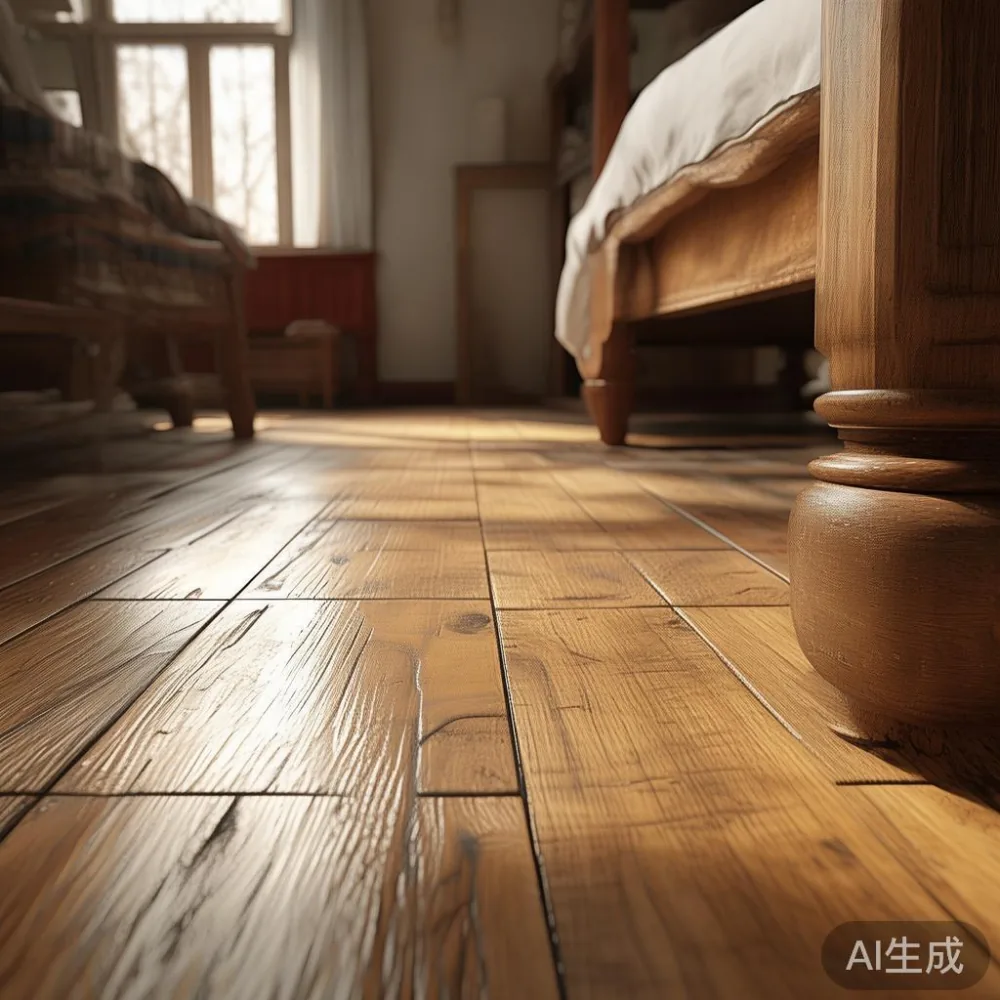
Singapore’s equatorial climate brings average relative humidity of roughly 70% to 85%, with nights often remaining above 70%. Condo bedrooms face a different challenge: air-conditioning may lower the room to 22°C by day, while the building returns to 28°C and 80% humidity when the unit is unoccupied. The repeated swelling and shrinking of timber can stress joints, loosen drawer runners and encourage mould if furniture is pressed against a cold wall.
This guide explains how moisture affects common bedroom pieces, what to look for in Singapore, and how to maintain furniture with sensible care. It also considers the practical constraints of HDB corridors, lift dimensions and local delivery requirements.

Why Southeast Asian humidity changes solid wood furniture
Wood is hygroscopic: it absorbs moisture when the surrounding air is humid and releases it when the air becomes dry. A stable solid oak wardrobe might move by approximately 3 to 6 mm across its width as seasonal or daily humidity changes. That small movement is enough to make a tightly fitted door rub, a drawer stick or a veneered panel lift at its edge.
Seasonal changes are less dramatic in Singapore than in places such as northern Europe, but daily air-conditioning cycles create their own stress. A bedroom cooled to 22°C at 60% relative humidity can measure 74% to 82% relative humidity once the compressor stops and the room warms toward 29°C. Timber near a window can therefore gain moisture faster than furniture near the interior wall.
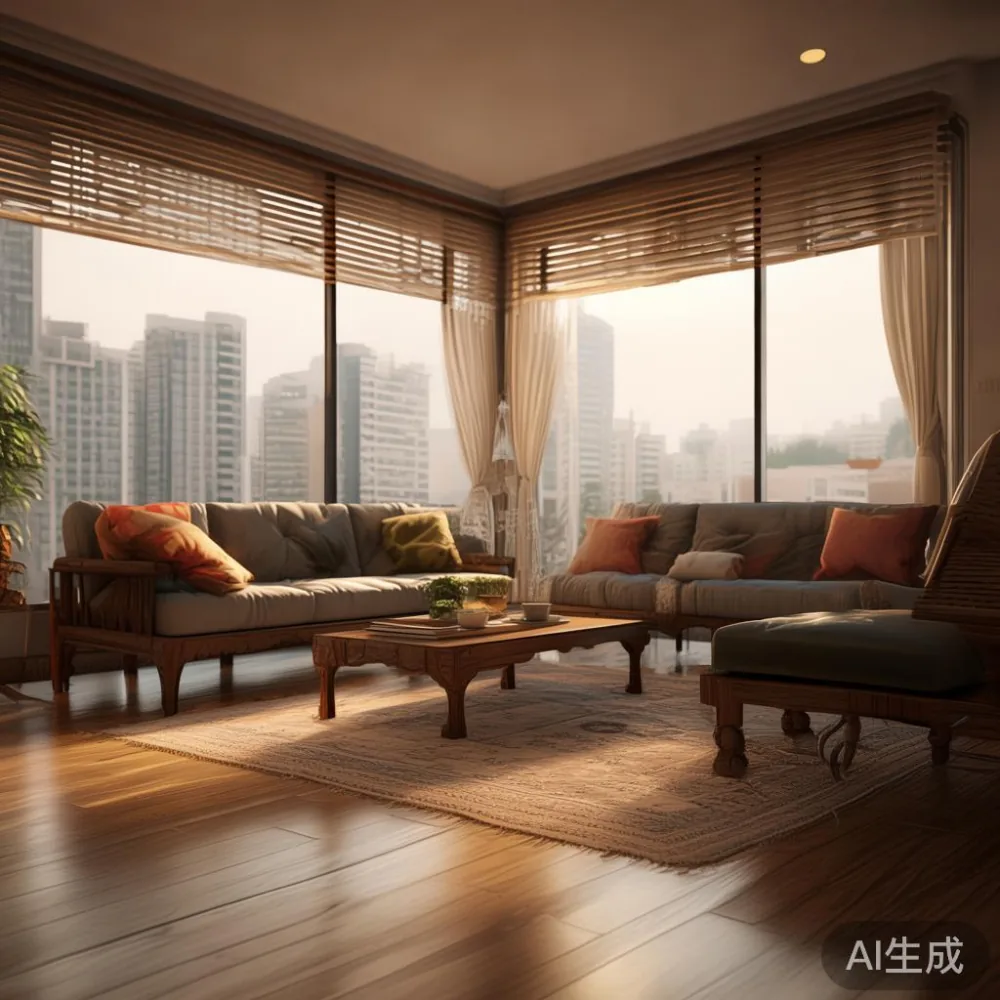
The risk depends on wood species, thickness, finish and construction. Solid hardwood generally tolerates humidity better than particleboard or thin engineered panels because moisture moves more slowly through dense timber. However, a heavy solid wood dining table with a broad top can still cup if one side is repeatedly exposed to condensation and the other remains protected.
Finishes provide protection, not a permanent barrier. A 1-coat lacquer or thin wax layer is usually easier for moisture to penetrate than a properly applied 3-coat hardened finish. Lacquered, oiled and waxed surfaces also behave differently: lacquer tends to feel smoother, while oil and wax provide a more natural appearance but may need refreshing every 12 to 24 months in a humid bedroom.
What humidity does to beds, wardrobes and nightstands
A solid wood bed frame is among the most forgiving bedroom pieces because its slats and rails are hidden beneath bedding. A slatted base permits airflow and gives the frame several months to respond gradually to changing moisture. Avoid placing it directly against an air-conditioning vent or an exterior wall that remains cold after a storm; a 10 to 15 cm gap gives drying space.
A solid wood wardrobe is more sensitive at the edges, doors and drawer fronts. In a typical 240 cm wide HDB bedroom, a 180 cm wardrobe can occupy 75% of one wall before door clearance is considered. Tight placement can trap humid air and create condensation behind the back panel. Allow at least 5 cm for rear ventilation where the wall is cool, and check that sliding or hinged doors have sufficient clearance during wet periods.
A nightstand experiences spills, plugged-in electronics and warm air more often than people expect. A 45 cm wide unit with 2 drawers is useful beside a queen bed measuring 152 cm by 203 cm, but it should stand at least 30 cm away from a bathroom or exterior wall. Put coasters under a 12 cm ceramic lamp and keep the rear cable path open so heat and moisture do not accumulate in a sealed cubby.
Marble table tops need careful attention too. A 100 cm round marble table may weigh approximately 45 to 70 kg, depending on its thickness and whether it is natural marble or engineered stone. Marble itself is not damaged by ordinary humidity, but trapped moisture can stain the underside, while a wooden cabinet beneath it can swell against fixing points. Use a spacer where required and avoid abrupt temperature changes such than pouring cold water onto a warm surface.
How should I keep solid wood furniture stable in a humid Singapore bedroom?
Start with stable indoor conditions rather than treating the furniture as the problem. Keep relative humidity between 45% and 65% where possible, limit abrupt changes, and allow timber to acclimatise before it is installed. A room temperature of 24°C to 27°C is generally practical in Singapore, paired with moderate dehumidification during wet spells.
Position bedroom furniture away from the 2 to 5 cm perimeter where condensation can form on an exterior wall. Do not drape bedding over a solid wood bed frame or wardrobe during the day; trapped fabric keeps moisture close to the surface. Use a breathable cotton cover or a moisture-absorbing mat beneath baskets, but replace damp padding rather than allowing it to remain for days.
For routine care, wipe surfaces with a soft cloth that is damp but not dripping, then dry them immediately. Cleaning solution should be diluted according to the finish instructions. Avoid silicone-based sprays, abrasive pads and household bleach. If a nightstand has a small spill, blot it within 2 minutes instead of spreading it across a 40 cm area.
Monitor the room rather than relying on a calendar. A low-cost hygrometer placed near the wardrobe should stay within 45% to 65% in a well-managed room. During the 9 pm to 7 am period when outside air is most humid, switch on the bedroom air-conditioner or a dehumidifier in a closed room. This creates a more stable cycle than running the air-conditioner for 10 minutes and then switching it off completely.
Buyers should also inspect construction. Look for solid hardwood in load-bearing parts, dowelled or mortise-and-tenon joints where applicable, and drawer boxes that can move without binding. Confirm that the finish can withstand humid conditions and ask the supplier for maintenance guidance. MIDHILL provides a 10-year structural warranty, and its lifetime refinishing service addresses wear or finish changes over the furniture’s working life.
Can Singapore HDB layouts make humidity worse?
Some layouts restrict ventilation and force furniture into narrow pockets. A standard HDB lift car may measure about 90 cm wide by 140 cm deep, while internal corridor widths vary by block and landing. A wardrobe wider than 85 cm still needs to be turned carefully; its packaging may be 188 cm long, 96 cm wide and 18 cm thick. Always compare the packaged dimensions with the lift door, corridor turns and bedroom entrance before ordering.
Compact rooms need careful zoning as well as moisture control. A queen bed with a 152 cm by 203 cm mattress requires about 212 cm by 222 cm if bedside tables are placed on both sides. This often leaves only 28 cm to move around one side of the bed in a 300 cm wide room. Choose a bed with a slim 4 cm solid wood rail, position a nightstand on the roomier side and keep the other side free of tall furniture that blocks airflow.
This is where ideas such as Nordic for small living room planning can be adapted for compact bedrooms, although the furniture itself remains within the bedroom-decor focus. Use pale finishes, simple silhouettes and wall-mounted storage to reduce visual weight. A French provincial style or Italian light luxury approach may require a little more spatial discipline, but restrained proportions can still work above 8 sqm.
For design references, European light luxury for small living room schemes often use cream, taupe and muted oak tones; those palettes also suit humid HDB bedrooms because they show small water marks less readily than very dark stains. An Italian light luxury accent chair with loose upholstery can be useful in a larger bedroom, but it is less suitable for a compact room where moisture could reach the timber base during wet weather.
When comparing Japanese sofa vs Italian light luxury sofa for a bedroom corner, focus on materials rather than labels. A low Japanese-inspired seat with a removable cotton cover can be easier to ventilate; a padded Italian-style seat may require more care if the room humidity remains above 70%. Keep either seat at least 15 cm from a wall and use washable covers rather than permanent fabric skirts that trap moisture.
How do I style a Japanese wardrobe in bedroom without trapping moisture?
A practical answer to how to style Japanese wardrobe in bedroom design is to use the visual language without sealing the timber into a dark, humid cavity. Light oak, paper-soft screens and restrained storage can create calm in a Tampines flat, but the wardrobe still needs ventilation behind it. Avoid fitting decorative panels flush against the back and leave 5 to 8 cm between the carcass and an external wall.
Open shelving above a closed lower cabinet can make a 210 cm tall unit feel less bulky. Keep frequently used linen in 30 cm deep baskets so air can circulate, and avoid storing damp clothes inside for more than a few hours after outdoor rain. If sliding panels are used, clean their lower tracks every 4 to 8 weeks because dust combined with condensation becomes abrasive paste.
For French-inspired bedroom decor, a useful guide is how to style French provincial sofa in room arrangements that leave the bed as the centrepiece. Place a upholstered bench at the foot of the bed only if there is 60 cm of clear circulation space. Use cotton or linen textures and washable covers rather than thick wool in persistently humid conditions.
The goal is not to make every piece look identical. A solid wood bed frame with a light natural finish can ground a French palette, while a 40 cm nightstand in matching oak keeps the bedroom cohesive. Confirm that decorative hardware is corrosion-resistant and that metal legs have felt or rubber pads; these prevent scratches and tiny movements that can mark a floor during expansion.
What finishes and furniture details work best near Singapore windows?
Hardened lacquer gives solid wood a useful sealed surface for humid rooms. Oiled finishes look tactile and suit post-modern light luxury styling, but they require more frequent care. Wax can add warmth, though a single layer may not adequately resist repeated damp handling. Ask whether the finish is factory applied, how many coats it contains and which cleaning products are safe.
At a window, moisture can enter through an unsealed end grain or a cut-out around a socket. Look for finished edges, sealed drawer bottoms and properly fitted hardware. For a solid wood dining table used as a dressing table, check that the top is supported across its span; seasonal movement can exaggerate any weakness in a poorly joined apron.
Built-in-looking bedroom storage is not automatically safer. A freestanding wardrobe can be moved away from a wall for inspection and drying, while a fitted unit may hide dampness. If ventilation is poor, use a 30 to 50 W dehumidifier, positioned so that its outlet does not blow directly across timber. Empty the water tank every 2 to 3 days because warm tropical conditions encourage microbial growth in stagnant water.
Delivery and service matter as much as finish selection. MIDHILL has exported to more than 15 countries since 2008 and offers free shipping for orders above US$350, equivalent to roughly SGD 460 at a typical exchange rate of about SGD 1.29 per US$1. Local GST and final delivery costs should still be confirmed during checkout. Singapore delivery commonly takes 7 to 14 delivery days for made-to-order furniture, although stock pieces may arrive sooner.
Orders over 14 days old can be returned within the stated 14-day returns period, subject to the product condition. Buyers should photograph the furniture on arrival, retain the packaging and record any transport damage immediately. For a high-rise move, include the lift dimensions in the delivery notes and reserve a loading slot where building rules require it.
How often should humid-room furniture be maintained?
Inspect bedroom-decor pieces every 3 months during the wettest periods. Look for doors that drag, drawers that require force and pale patches near sinks or windows. Wipe the tops and exposed edges, move baskets away from walls and check beneath rugs. A nightstand should be lifted for 1 minute each month so trapped moisture and insects do not go unnoticed.
Do not sand or oil a piece merely because it has lost its sheen. Clean first, then determine whether the finish needs refreshing. Many solid wood surfaces can be treated with a manufacturer-approved maintenance oil, but solvent-based products may alter colour. Test a hidden 5 cm area and wait 24 hours before treating a visible face.
Red flags include black spotting around joints, musty odours, swollen drawer bottoms and mould along a wardrobe back. Isolate the affected area, reduce humidity and seek professional advice if the finish has already changed. Do not use a steam cleaner at close range; the added moisture can open grain and make a lacquered surface appear cloudy.
A weekly routine is simple: check the hygrometer, wipe exposed surfaces, empty the dehumidifier tray and keep textiles dry. A monthly routine takes 15 minutes: ventilate the room, inspect moving parts and move lightweight furniture away from condensation-prone walls. An annual review can check screw tension, finish condition and any changes caused by seasonal movement.
Humidity does not make solid wood furniture unsuitable for Southeast Asia. It does require thoughtful placement, stable indoor conditions and a finish suited to the room. With the right care, a solid wood sofa, bed frame, dining table, wardrobe, nightstand or marble table can remain serviceable and visually calm for many years, particularly when every product is sized for Singapore homes rather than copied from a much larger climate zone.