Creating Airy Bedrooms in Compact Singapore Homes
Living in a Singapore apartment, whether a 4-room flat in Tampines or a compact condo in Punggol, often means making peace with limited space. The challenge is not just fitting furniture in, but arranging it in a way that the home feels open, calm, and uncluttered. This is especially true for the bedroom, a space meant for rest and rejuvenation. Mastering the art of small-space bedroom decor is about creating an environment that breathes, even within the modest dimensions of a typical HDB or condo bedroom.
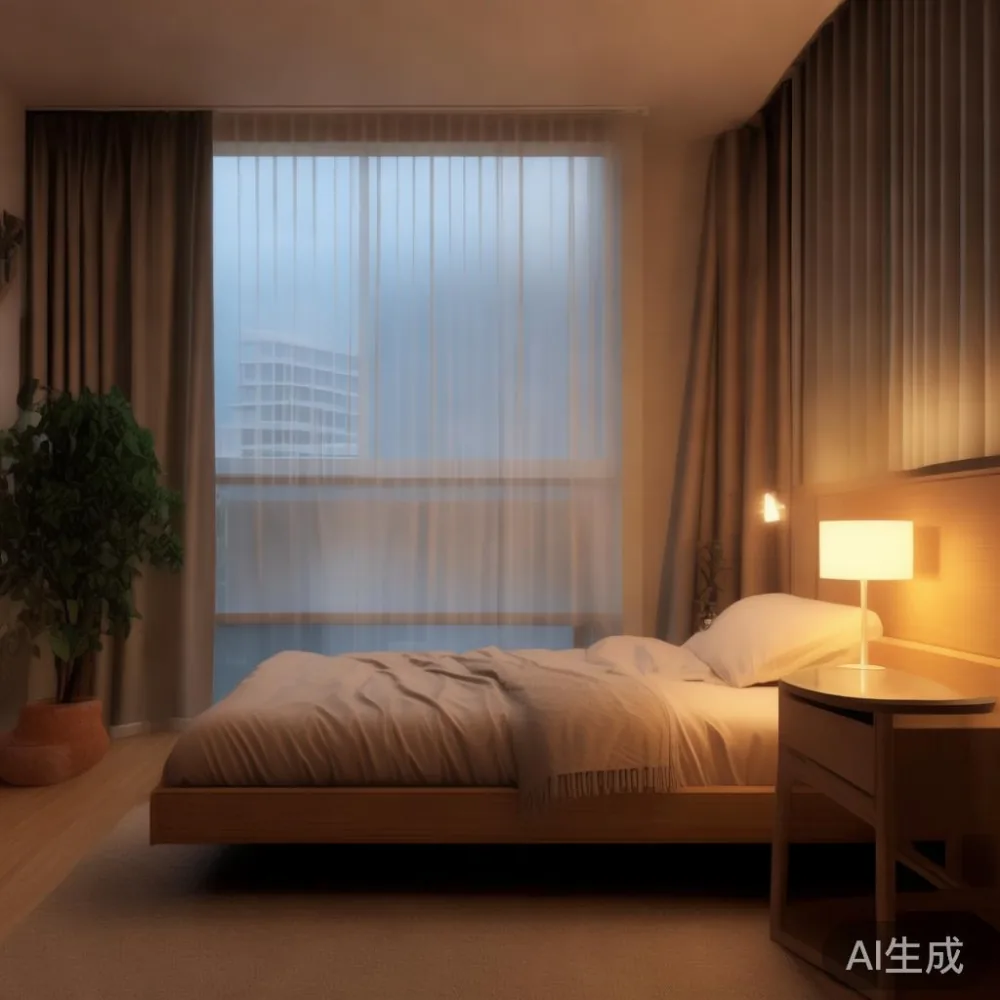
What is the Key to Making a Small Bedroom Feel Bigger?
The single most effective strategy for making a small bedroom feel larger is visual lightness and a strong sense of floor space. This involves a combination of colour, furniture choice, and layout. In Singapore's context, where natural light can be a premium in certain units, this principle becomes even more important. The goal is to trick the eye into perceiving more space than physically exists. A dark, heavy room will feel oppressive and small, while a bright, airy one will feel expansive. This isn't about painting everything stark white, but about creating a balanced palette that reflects light and feels unburdened.
How to Style French Bed in Apartment
A French-inspired bed can be a stunning centerpiece for a bedroom, but its classic, often ornate design can feel bulky in a small room. The key is to choose a French bed with a light, airy aesthetic. Look for styles with slender, tapered legs that raise the bed frame off the floor, creating a visual sense of openness underneath. A low-profile headboard, perhaps in a cream or off-white linen fabric, will add a touch of French elegance without overwhelming the space. Last month, I visited a client in a Bedok condo who was worried about this exact problem. We selected a French-style bed with a tall, slim headboard made of light oak, which drew the eye upwards and made the ceiling feel higher, effectively creating the illusion of a more spacious room without sacrificing the desired style.
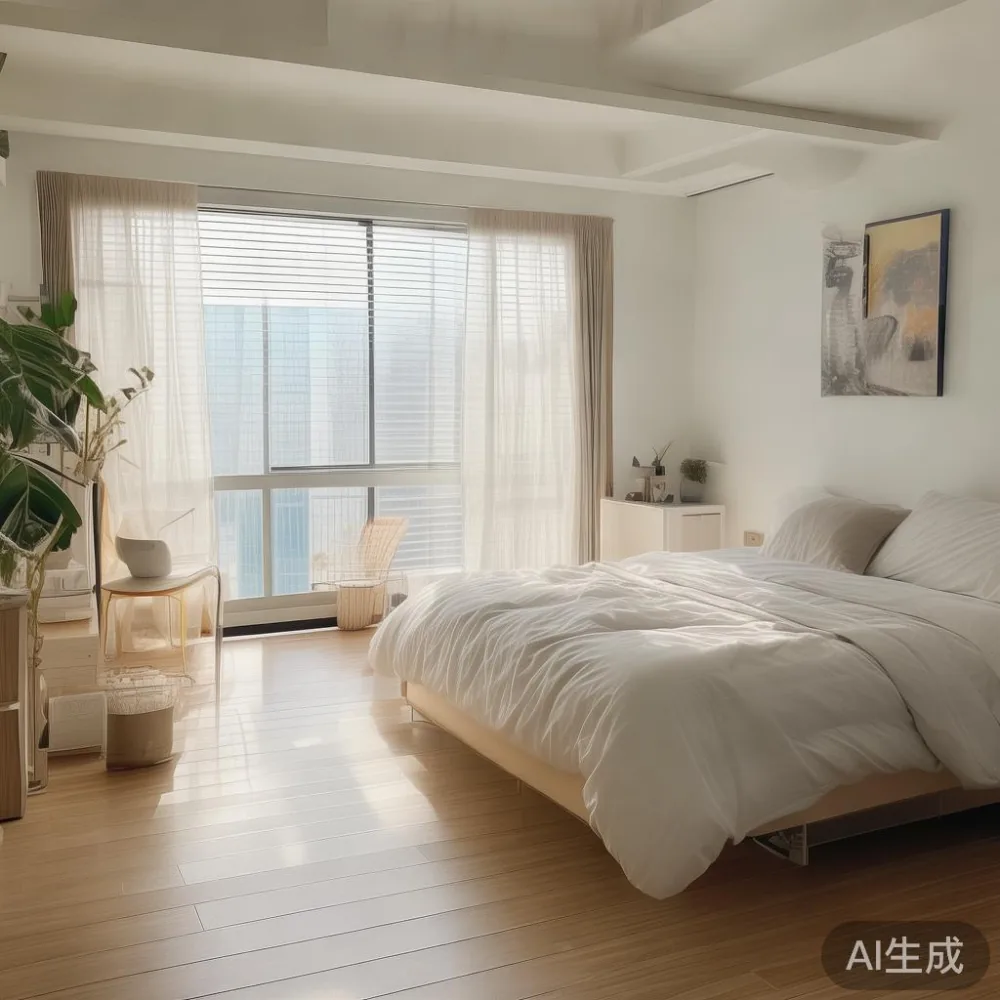
Choosing the Right Wardrobe for Limited Space
Wardrobes are often the largest pieces of furniture in a bedroom, making their selection critical for small-space living. A bulky, standalone wardrobe can consume precious floor space and create a visual block. The best solutions are either built-in wardrobes or slim, minimalist designs. When considering how to choose light luxury wardrobe, the focus should be on clean lines, integrated handles, and a finish that matches the room's colour scheme. A mirrored wardrobe door is a classic trick for reflecting light and creating the illusion of depth. For a bedroom decor project in Tampines, my colleague recommended a custom-built wardrobe that fit perfectly into a niche, maximizing storage without protruding into the walking area. The sliding doors saved an additional 60 cm of space compared to swing doors, which was a standout piece for the layout.
Maximising Storage Without Clutter
Effective storage is the backbone of a well-organised small bedroom. The trick is to be strategic and integrate storage wherever possible. Under-bed storage is a must; using vacuum-sealed bags for seasonal clothing or investing in a bed frame with built-in drawers can free up a surprising amount of wardrobe space. Floating shelves are another excellent tool. They provide storage or display space without the visual weight of a bulky bookcase. A narrow, 15 cm deep shelf above the headboard can hold books, a small plant, and a lamp, keeping the surfaces below clear. For smaller items, attractive baskets or fabric boxes can be tucked into corners or placed on top of a wardrobe, keeping things tidy and out of sight.
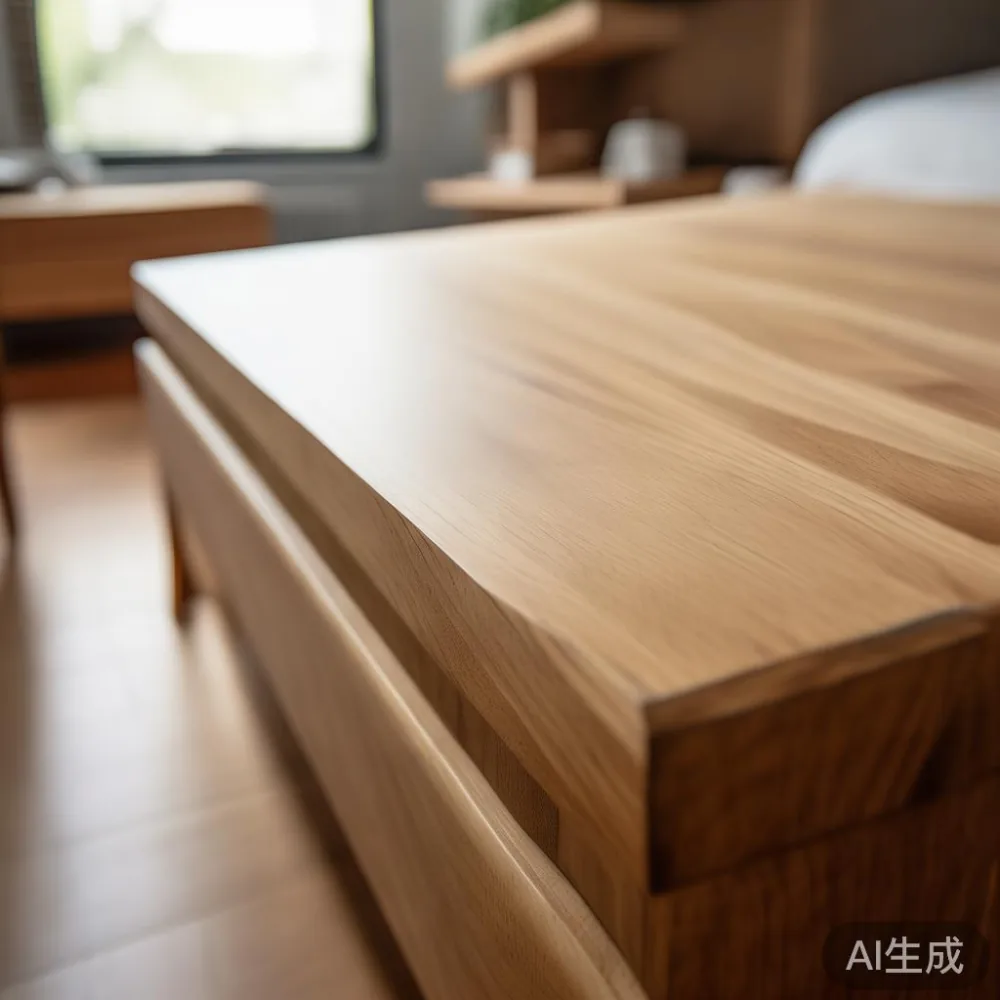
What About the Nightstand and Other Small Pieces?
Don't underestimate the impact of small furniture. A bulky nightstand can make a bedside feel cramped. Opt for a slim-legged design or even a wall-mounted shelf to free up floor space. A marble table top for a nightstand can add a touch of light luxury without taking up much visual or physical room. Consider multi-functional pieces; a small stool that can also serve as a nightstand or a place to sit while getting dressed. The American bed vs Japandi bed debate often comes down to this point: American styles can favour larger, more statement nightstands, while Japandi philosophy prioritises minimalism and smaller, more integrated pieces. For a client in Punggol, we chose a small, floating nightstand made of reclaimed wood, which provided just enough surface space for a lamp and a book while maintaining a sense of airiness.
Lighting and Colour Palettes for a Spacious Feel
Lighting is a powerful tool for shaping the perception of space. In Singapore's high-rise apartments, you often have to work with the light you have. A single, harsh overhead light can create stark shadows and make a room feel smaller. Instead, use layered lighting. A main ceiling fixture for general illumination, paired with bedside lamps for reading and perhaps a small, stylish floor lamp in a corner. Warm, soft light is generally more inviting and makes a space feel cozier, not smaller. The colour palette should complement this. Light, cool colours like soft greys, pale blues, and creamy whites reflect light and make walls feel receded. You can introduce darker colours as accents—perhaps on a feature wall behind the bed or in the bedding—but keep them limited to about 10-15% of the room's surface area to maintain the sense of space.
Is a French Sofa Worth It for a Small Living Area?
While our focus is on bedroom decor, note that the principles of lightness and scale apply to adjoining spaces. If you have a small living area connected to your bedroom, you might ask yourself, is French sofa worth it. A classic, deep Chesterfield sofa is likely too large. However, a smaller, more delicate French-style sofa with exposed legs and a slim profile can add a touch of elegance without dominating the room. The key is proportion. A 160 cm wide sofa might be perfect for a small living space, whereas a 200 cm one would be overwhelming. The same logic applies to a light luxury coffee table; a low, rectangular piece with marble table legs will feel less obtrusive than a heavy, ornate centre table.
Practical Tips for Singapore Apartment Living
Always measure your space before buying furniture. Know the exact width of your lift and the dimensions of your corridor. A new wardrobe that fits in your bedroom might not make it through the front door. Consider the delivery process; companies like MIDHILL, with their experience in the Singapore market, understand these logistical challenges. For a bedroom decor project, a solid wood wardrobe measuring 240 cm wide might need to be delivered in parts and assembled inside the room. Also, factor in the 9% GST on all furniture purchases. When planning your budget, remember that investing in quality, well-designed pieces that fit perfectly is often more cost-effective in the long run than buying cheaper, ill-fitting items you'll need to replace. For example, the best French sofa for 2026 in a small apartment might not be the cheapest, but its timeless design and durable construction mean it will be a worthy investment for years to come.
Where to Find Inspiration and Quality Furniture
When sourcing furniture for your small-space bedroom, look for brands that offer a good balance of style, quality, and practicality. Online platforms can be a great source of inspiration, allowing you to visualise how different pieces might look in your home. Websites like www.midhill.co offer a wide range of solid wood furniture, from bed frames to nightstands, designed with modern living in mind. They often provide detailed dimensions and customer reviews, which can be incredibly helpful when making a decision for a compact space. Visiting showrooms in person is also highly recommended. It allows you to gauge the actual size and feel of a piece, something that photos cannot always convey.
Final Thoughts on Bedroom Decor
Styling a small apartment, particularly the bedroom, is a thoughtful exercise in restraint and smart design. It’s about creating a sanctuary that feels both personal and spacious. By focusing on visual lightness, strategic storage, and furniture that is proportional to your space, you can transform even the most compact room into a comfortable and stylish retreat. Remember, the goal is not to fill every inch, but to curate a space that feels open, calm, and entirely your own.