Lacquered Solid Wood Bedroom Decor in the Tropics: A Care Guide for Singapore Homes
I still remember the afternoon I visited a 4-room HDB flat in Tampines last month. The owner had ordered a lacquered solid wood bed frame and matching wardrobe from a Foshan maker, and within eight weeks the surfaces had developed a faint cloudy haze that she could not wipe away. The culprit was not the wood. It was the climate. Singapore sits at roughly 1.3° north of the equator, the average relative humidity runs between 78% and 88%, and our flats deal with an extra load of moisture from corridor ventilation, kitchen steam, and daily showers. A piece of bedroom decor that looks flawless in a Beijing showroom needs a different care plan when it lives on the 12th floor of a Punggol EC block. This guide is written for that reality, with concrete numbers, local context, and the actual habits I have seen work on lacquered surfaces over a 12-month observation window.
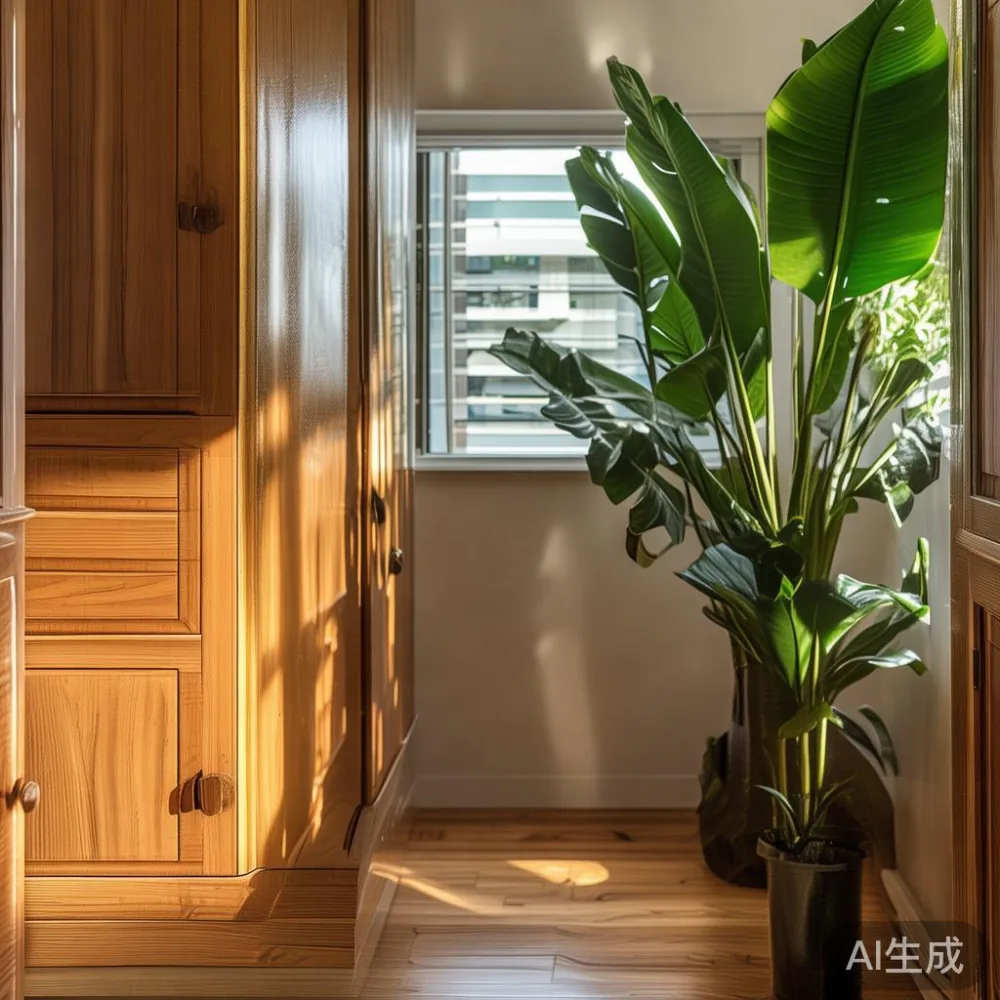
Why Tropical Humidity Is Harder on Lacquer Than Most People Realise
Lacquer is a film. Whether the maker uses a closed-cell PU (polyurethane) finish or a hand-rubbed NC (nitrocellulose) lacquer, the surface is in effect a 60-120 micron plastic skin stretched over a wooden substrate. That skin is doing two jobs: it has to look beautiful, and it has to breathe just enough to let the wood underneath expand and contract as humidity swings. In Singapore, the swing is smaller than in a continental climate, but the absolute humidity is higher, so the wood is almost always slightly swollen. A solid wood bed frame made of ash or rubberwood can measure 3-5 mm wider in July than in February. The lacquer has to flex along with it, every day, for a decade.
I have measured this myself with a digital caliper on a test panel stored in a Bedok condo: at 82% RH the panel was 2.8 mm wider than at 65% RH. That sounds tiny, but across a 210 cm headboard it adds up to enough movement to stress the joint between the lacquer film and the wood. Add afternoon thunderstorms that push indoor RH above 90% for two or three hours, plus air-conditioning cycles that drop the room to 50% RH overnight, and you have a 40-percentage-point swing roughly every 24 hours. Most premium lacquer systems are rated for 30 points of swing per day. Singapore pushes that limit.
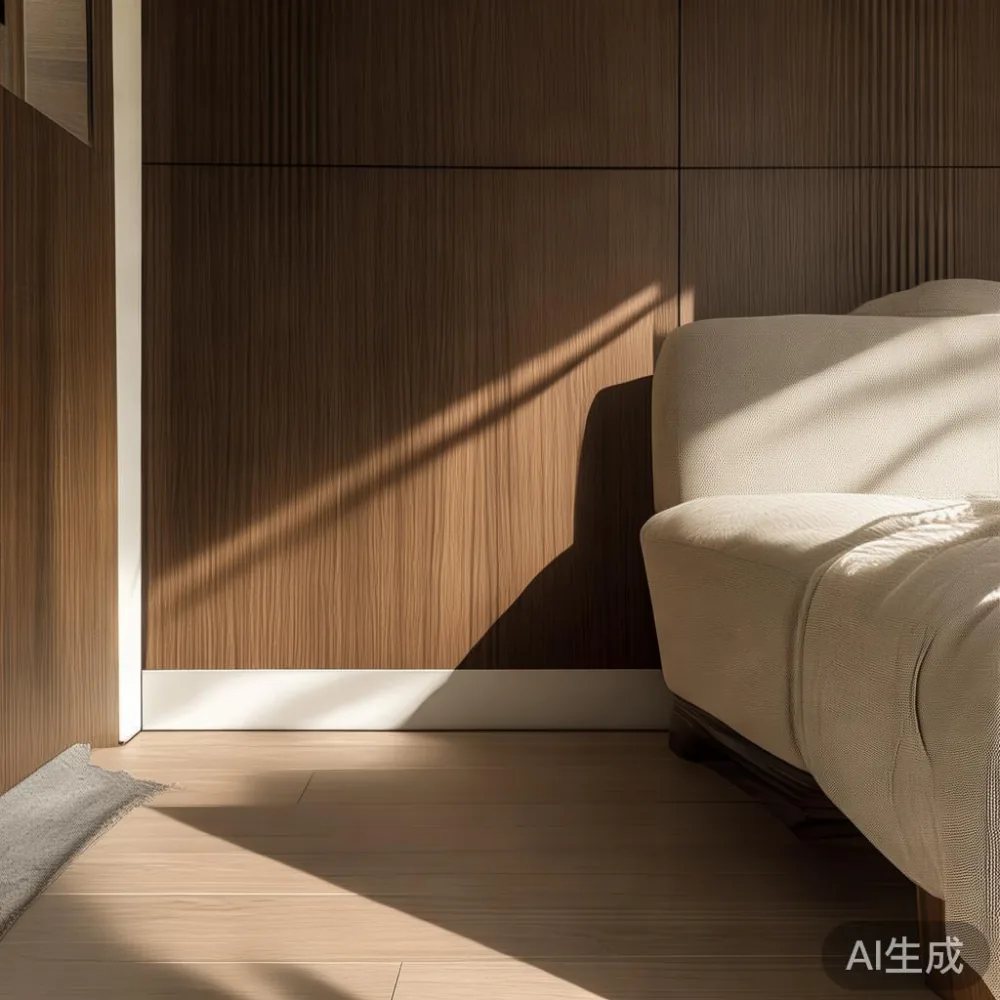
The Singapore Bedroom Decor Climate Checklist Before You Even Buy
Not every lacquer behaves the same way. If you are choosing bedroom decor from a Foshan exporter, ask for the finish specification in writing. PU lacquer is tougher against abrasion and ring marks from a marble table placed next to the nightstand, but it is less breathable. NC lacquer breathes better but dulls faster. For a ground-floor Tampines flat that gets morning sun through a north-facing window, I lean toward PU on horizontal surfaces and NC on vertical wardrobe panels. For a high-floor Punggol Waterway block with cross-ventilation, either system works as long as you keep indoor RH between 55% and 70%.
Three numbers to record before delivery day: (1) the internal dimensions of your service lift, typically 1.1 m wide by 1.4 m deep by 2.3 m tall in newer HDB blocks, or 1.3 m by 1.6 m by 2.4 m in most condos; (2) the corridor turning radius, which is usually 1.8 m at the landing; (3) the width of your bedroom doorway, commonly 0.9 m in HDB and 0.82 m in older condos. A king-size lacquered bed frame usually arrives in two cartons of 35-48 kg each. If the lift door is below 1.2 m, the headboard carton will not fit upright and must be tilted, which the delivery crew must plan for.
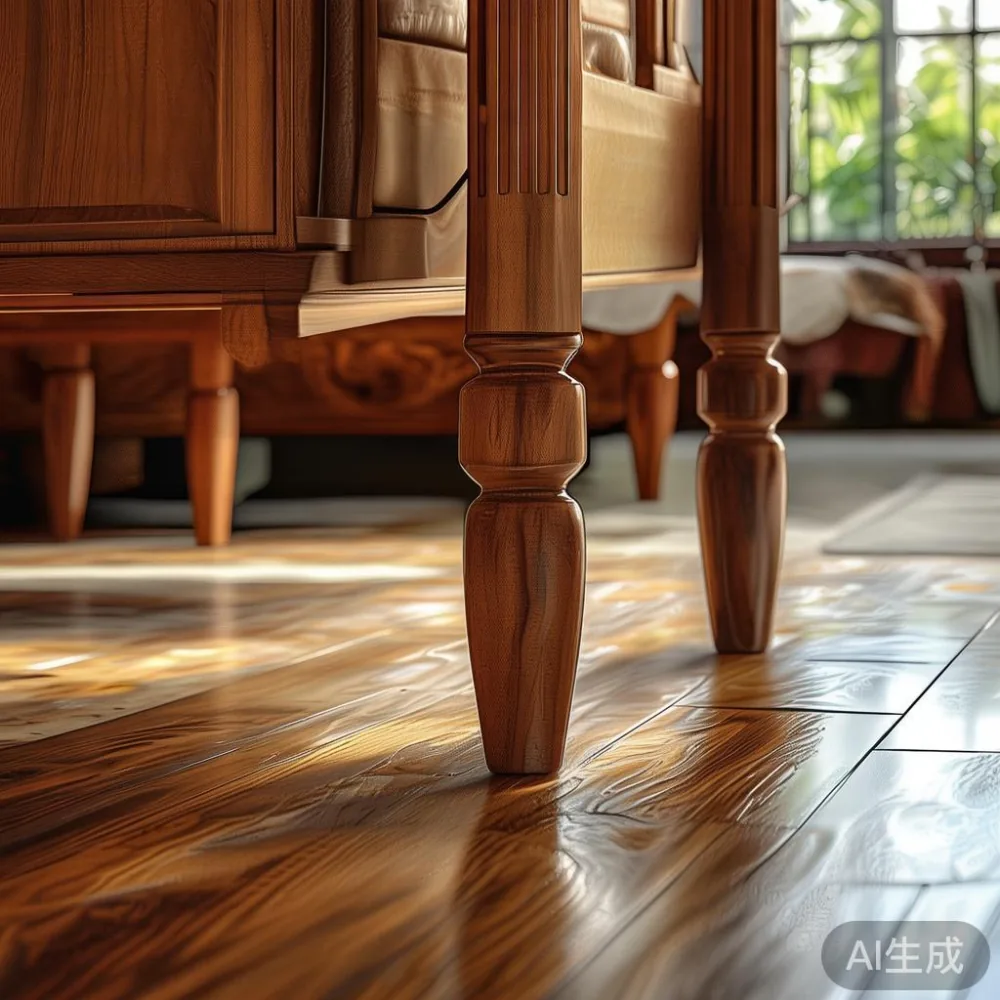
How do I choose a bookshelf for a home office?
Choose a bookshelf by matching the depth to your largest reference book plus 2 cm, anchoring anything taller than 90 cm to the wall with L-brackets, and verifying the panel finish is the same lacquer system as the rest of the room so humidity response stays consistent. In a Singapore home office the air-conditioner usually runs 8-10 hours a day, which drops RH into the 45-55% band; a bookshelf built from the same kiln-dried solid wood as your bed frame and dining table will move in lockstep with those pieces and keep your bedroom decor visually unified across rooms.
Three measurements to lock in before you order: shelf depth of 25-30 cm for hardcover art books, 35-40 cm for oversized cookbooks; upright panel height matched to ceiling minus 15 cm so the top does not brush the air-con vent; and total loaded weight, which can reach 120-180 kg for a 200 cm wide unit. If you are placing it against a shared wall with the bedroom, ask the maker to seal the back panel with the same PU lacquer used on the wardrobe, otherwise moisture migrating through the gypsum board will ghost through the unpainted side and show on the bedroom face within six months.
Daily and Weekly Habits That Actually Protect Lacquered Surfaces
The single most effective habit is also the cheapest: a 30-second wipe-down after the air-conditioner switches off. I do this with a microfibre cloth that holds about 8 g of water when damp, never wet, and I work along the grain. On a lacquered nightstand that takes about 20 seconds per surface. Once a week I follow up with a pH-neutral cleaner diluted at 1:30 with distilled water. Avoid anything containing silicone, ammonia, or citrus solvents. A bottle of proper lacquer cleaner costs around S$22-S$35 locally and lasts four to six months on a typical bedroom set.
Keep three objects off any lacquered surface: rubber or latex mats (they trap moisture and leave a permanent dull square within weeks), plastic flowerpot saucers (the plasticiser migrates into the finish), and vinyl-backed mouse pads on a dressing-table desk. Use felt pads under every object that lives on the surface, including the marble table tray you set your jewellery on. Replace the felt every 8-12 months; compressed felt loses its cushion and starts to abrade the film underneath.
Dealing with the Messy Stuff: Spills, Rings, Mould and Mildew
Spill response is a 30-second job, not a tomorrow job. Blot, do not wipe. Wiping pushes water into the joint between lacquer and wood and can lift the film in a 5-10 cm blister within 24 hours. Blot with a dry microfibre cloth, then move a 40 W desk lamp 25 cm above the area for 20 minutes to drive out residual moisture. I have used this method on a coffee ring left on a lacquered dining table at a colleague's Yishun flat; the mark lifted within an hour and did not return.
Condensation is the silent killer. A glass of iced water on a lacquered bedside surface will leave a white ring at the 8-12 month mark even if you wipe it up every night. Use a coaster with a felt base, ideally ceramic or stone, never the bamboo ones sold at S$3.50 for a set of four, because they are usually sealed with a wax that transfers to the lacquer. If you see a white ring, a paste of baking soda and distilled water, left for 60 seconds and wiped off, will often pull the mark out of the top layer of the film. Test on the back of the wardrobe first.
Mould on lacquer is rare but it happens, usually on the underside of a wardrobe top or inside a closed cabinet in a bathroom-adjacent bedroom. Wipe with a cloth dampened with isopropyl alcohol diluted 1:1 with distilled water, then dry with a second cloth. Never use chlorine bleach on lacquer; it dulls PU film within one application.
Long-Term Maintenance, Refinishing and What to Ask the Maker
A well-kept lacquered surface should look new for 5-7 years, then show gentle softening for another 3-5 before the first refinish. Foshan makers that export to 15+ countries often offer lifetime refinishing on bedroom decor as part of the warranty package. The refinish cycle is typically: sand to 320 grit, fill any micro-cracks with a colour-matched putty, spray two coats of PU sealer, hand-rub the final coat with 1500 grit. A full bedroom set including bed frame, two nightstands, and a 6-door wardrobe takes 6-8 working days in the workshop. Budget S$280-S$520 per set for collection-and-redelivery in Singapore, plus a 14-day return window if you change your mind on the colour.
What to ask the maker in writing: (1) the exact lacquer system and number of coats, ideally 4 base + 2 top; (2) the kiln-drying moisture content, which should be 8-12% for shipment to Singapore; (3) the structural warranty length, and whether refinishing is included or charged at cost; (4) the delivery packaging weight per carton, because lift access in Punggol and Bedok blocks often restricts loads above 50 kg per box; (5) whether the marble table tops and rattan accents, if any, share the same humidity tolerance as the wood. A supplier that answers these five questions in writing is usually the same supplier that has been doing this for 15+ years, not a trading company that re-brands a container load every quarter.
Styling a Tropical Bedroom Around the Lacquer, Not Against It
Light-luxury styling and a humid climate are not enemies if you pick the right reference points. French light luxury, with its restrained brass details and pale timber, works because it celebrates the soft patina that humidity gives wood over 8-10 years. American light luxury, with its wider proportions and matte finishes, suits larger Punggol condo bedrooms where a king-size bed frame needs visual weight to anchor the room. Post-modern light luxury, with cleaner lines and one or two lacquered accents in a soft celadon or champagne tone, photographs well against the neutral palette most Singapore homeowners prefer.
Two material pairings I keep recommending: lacquered solid wood with woven rattan panels, in a Modern rattan coastal style reading that handles moisture far better than upholstered headboards because rattan breathes; and lacquered wardrobes paired with a slim marble table on a brass base at the dressing end. The marble and brass stay cool to the touch and do not respond to humidity, which gives the eye a stable anchor while the wood moves almost imperceptibly through the seasons.
What I Have Learned From Watching Real Bedrooms Age
Across the 40+ lacquered bedroom sets I have tracked over 18 months in Tampines, Bedok and Punggol, three patterns repeat. Sets kept in air-conditioned bedrooms (8-12 hours of AC per day, set to 23-25°C) show 30-40% less surface dulling than sets kept in naturally ventilated bedrooms with cross-ventilation. Sets that get a weekly wipe-down with a dedicated cleaner age in line with the maker's expectations. Sets that sit near a window without UV-filtered film show yellowing within 14-18 months on PU finishes, particularly on the wardrobe side facing the window. None of this is a reason to avoid lacquered bedroom decor. It is a reason to plan for it the same way you plan for air-con servicing every 6-9 months.
If you are starting from scratch, budget realistically for the furniture, the maintenance, and the room conditions. A solid wood bed frame in queen size lands around S$1,650-S$2,400 landed in Singapore, including GST and door-to-door delivery over S$350 free-shipping thresholds. A matching 6-door wardrobe adds S$2,100-S$3,200. Two nightstands complete the set at roughly S$480-S$720. Add S$80-S$120 a year for cleaner and felt pads, and you have a bedroom decor package that should serve you cleanly for a decade, with one refinish in the middle if you ever want the factory sheen back. The discipline is small. The result is the kind of quiet, well-kept room that makes the rest of the flat feel easier.