How to Care for Lacquered Bedroom Decor in a Tropical Climate
Singapore’s warmth and humidity can be hard on lacquered furniture. Sweat, condensation, salt-laden air, direct sunlight, and frequent cleaning all affect a finished surface differently. For residents of HDB flats and condos in Tampines, Bedok, and Punggol, the issue is especially practical: a lacquered wardrobe, bed frame, or nightstand may sit close to an open window, receive strong afternoon sun, or be moved through narrow lift lobbies and corridors.
The good news is that a sound lacquer finish can remain attractive with a disciplined routine. The goal is not to avoid humidity altogether; Singapore’s indoor environment averages around 80% relative humidity through much of the year. Instead, protect the coating from moisture, heat, abrasion, and harsh chemicals while allowing the timber beneath to move safely.
This guide focuses on lacquered bedroom decor: the wardrobes, bed frames, nightstands, and occasional seating pieces that give a room its character. It also explains what to check before delivery, because the care that begins on day one affects how the finish ages for the next 10 years.
What Is Lacquer, and Why Does It Behave Differently in Singapore?
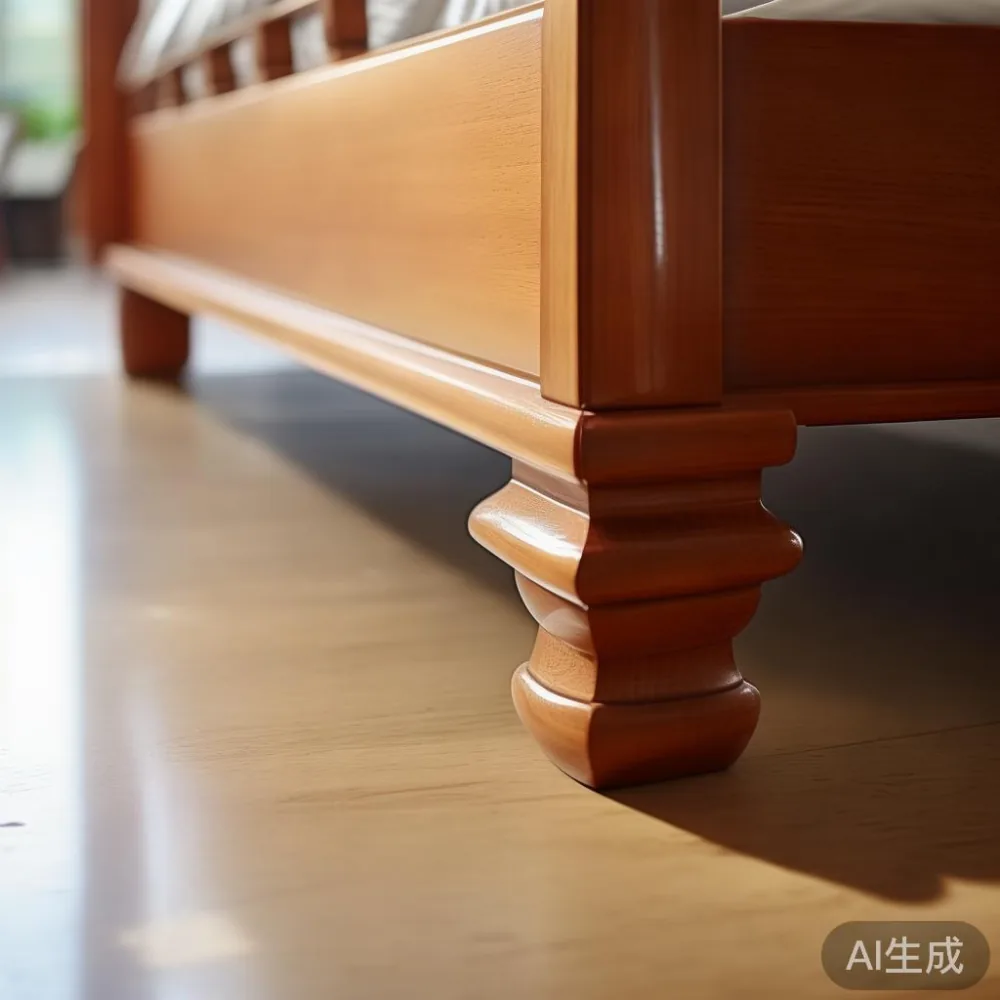
Lacquer is a thin, decorative surface coating applied over a prepared substrate. It may be solvent-based, water-based, polyurethane, or another formulated finish. Unlike solid wood alone, lacquer resists stains and wipes more easily, but it can scratch, cloud, dull, or develop fine cracks if exposed to repeated moisture and heat.
Solid wood expands and contracts as humidity changes. A well-made bed frame or wardrobe should accommodate this movement through sound joinery, adequate clearance, and suitable finishing. Lacquer should not be used to conceal defective timber or poor preparation. Its smooth appearance can exaggerate dust, fingerprints, and water marks, so cleaning technique matters.
For Singapore conditions, aim for indoor relative humidity of roughly 50% to 70% where practical. Bedok and Tampines homes can become particularly humid during monsoon periods, especially after rain or when air-conditioning is switched off overnight. Punggol units near open windows may also receive brief bursts of damp air. A hygrometer placed beside a wardrobe gives a more useful reading than a weather app because it reflects the actual room rather than the region.
Keep finished furniture at least 30 cm from an open window where possible and 60 cm from exterior walls. Avoid placing a lacquered nightstand directly against a sun-facing window. If a solid wood sofa or upholstered chair sits nearby, keep at least 30 cm of air circulation around it, while also leaving practical access for cleaning.
Can I Use a Dehumidifier Around a Lacquered Wardrobe?
Yes, but control the setting rather than chasing the lowest possible reading. A compact dehumidifier that maintains about 55% relative humidity is generally more suitable for furniture care than one set to 40% in a small bedroom. Rapidly drying timber can cause joint movement or checking, and the lacquer may respond with visible stress marks.
Position the dehumidifier so its outlet does not blow directly at the wardrobe or bed frame. Leave approximately 50 cm of clearance around the machine and avoid wetting any power cable. Empty the tank before it becomes full, or use a continuous drain if the model supports one.
Air-conditioning already reduces humidity during occupied hours, but moving between a cool room and a humid corridor can cause condensation on lacquered surfaces. When bringing a lacquered nightstand into a bedroom, let it acclimatise for 2 hours before positioning it near an air-conditioning vent. For new furniture arriving through a lift, allow at least 24 hours in the flat before applying coasters, books, or décor.
How Should I Clean a Lacquered Bed Frame and Nightstand?
Begin with a soft, dry microfibre cloth. Dust the top, sides, rails, and foot areas before using any damp method. This prevents grit from being dragged across the lacquer. For routine cleaning, use a clean cloth lightly dampened with lukewarm water and a small amount of mild dishwashing liquid—about 1 teaspoon in 500 ml of water.
Wring the cloth out thoroughly. It should feel damp, not wet. Test the mixture on a concealed 5 cm x 5 cm area and wait 24 hours. Never spray cleaner directly onto a lacquered bed frame, wardrobe, or nightstand. Overspray can enter joints or leave a ring where the liquid collects.
After wiping, use a second dry cloth to remove residue. Pay attention to horizontal ledges, handle bases, drawer runners, and the recess beneath a headboard. A soft-bristled brush can remove dust from narrow grooves, but do not use metal tools.
Avoid acidic cleaners, bleach, ammonia, alcohol-based products, abrasive pads, and “restorer” polishes unless the furniture maker confirms compatibility. Lemon oil may be suitable for some unfinished solid wood surfaces, but it can leave an oily film on lacquer that attracts dust. The same care applies to a lacquer-front wardrobe and a lacquered dining table elsewhere in the home.
Spills should be addressed immediately. Blot rather than rub. If a hot drink has landed on the surface, let it cool for 5 minutes, lift any skin with a plastic card, and then wipe carefully with the diluted solution. For a marble table, use a pH-neutral stone cleaner instead, because acidic liquids can etch marble even when its surface appears intact.
How Do I Remove Marks Without Damaging the Finish?
Most fresh marks can be removed with gentle pressure and a clean microfibre cloth. Place a clean cotton cloth over the mark, then warm it lightly with a hairdryer held at least 30 cm away for 10 to 15 seconds. The mild warmth can soften a slight haze or polish residue. Test first, and stop if the lacquer becomes glossy or tacky.
Fine scratches may respond to a lacquer-compatible polish used sparingly. Apply roughly the size of a 5 SGD coin to a soft cloth, work in one direction, and remove the residue with a clean cloth. A rigid scratch through the lacquer into the timber needs different treatment. Lightly abrade the surrounding finish, clean the exposed wood, and apply a matched repair product according to its instructions. Deep gouges are best handled professionally.
Do not stack books directly on a lacquered wardrobe top or slide a metal hanger rail without protection. Use a felt or cork pad under a table lamp, and place a coaster beneath a mug. Keep at least 15 cm between a lacquered headboard and an oscillating fan; repeated vibration and airborne dust can dull the surface.
For households that enjoy changeable layouts, add 2 mm rubber feet beneath movable nightstands and keep a 5 cm gap from the wall. The gap lets humid air circulate and makes it easier to inspect for insects or moisture staining.
What About Singapore’s Sun, Heat, and Lift-to-Bedroom Delivery?
Ultraviolet light can fade colour and weaken some clear coatings. Keep a lacquered bed frame or wardrobe away from direct afternoon sun where curtains or blinds can help. If the room receives more than 2 hours of direct sun, consider sheer curtains that filter light while preserving ventilation. Rotate ornaments occasionally so one patch does not fade faster than the rest.
Heat is another common source of damage. Keep furniture at least 45 cm from a halogen heater and avoid radiators or laundry pipes that become hot. Singapore does not need heating for most homes, but drying clothes near a wardrobe creates both heat and humidity. A heated clothes rack in a bedroom is workable if it is at least 1 metre from lacquered surfaces and the garments are dry before hanging.
Delivery planning deserves equal attention. Confirm the lift opening and internal dimensions before dispatch. A king-size bed frame can arrive in several cartons, but its assembled dimensions still need to fit the lift car and turning space. A package should not be left in a corridor for more than 2 hours, especially during rain. Measure doorways at their narrowest point and allow another 5 cm for packaging and handling.
MIDHILL’s 10-year structural warranty addresses construction, but it does not replace sensible surface care. Ask for lacquer composition and cleaning guidance at purchase. Product care information should distinguish structural coverage from finish exclusions caused by heat, liquid ingress, or chemical damage.
How Can I Move a Solid Wood Bed Frame Without Ruining the Lacquer?
Move a bed frame in sections where possible. Remove drawers from a nightstand, wrap each component in a clean blanket or moving pad, and secure projecting parts with soft straps. Do not lift a solid wood bed frame by its lacquered headboard. Two people should handle most frames, with each person holding the structural rail rather than the finish.
Before repositioning, photograph the assembly and mark each connection with painter’s tape placed under the joint, not on the lacquer. Protect the floor with a cardboard sheet at least 2 mm thick. After movement, check that every joint sits fully closed and that the frame remains level within 3 mm across its width.
Singapore’s flat-pack delivery can create another trap: leftover cartons should not remain in the bedroom for months, as they trap humidity and absorb odours. Remove packaging after inspection, retain spare hardware in a labelled bag, and keep the cartons dry for up to 14 days in case a return is required under the available returns policy.
If the wardrobe or bed frame was delivered with adjustable feet, check them every 6 months. Tighten them only if there is play; over-tightening can distort the timber. A moisture-resistant finish is not waterproof, so the correct response to condensation is ventilation and controlled humidity, not an extra layer of wax.
Is European Light Luxury Bed Worth It for a Singapore Bedroom?
The question of whether is European light luxury bed worth it depends on fit, materials, and finish quality rather than a nationality label. European-inspired bedroom decor may suit HDB rooms with warm timber, cream upholstery, and restrained brass details. French light luxury often uses curved profiles and softer edges; American light luxury tends toward generous proportions and deep comfort; post-modern light luxury can pair clean geometry with contrasting materials.
In a compact Tampines flat, a low-profile bed frame with a 150 cm or 180 cm width may create more usable floor space than an oversized model. Confirm the mattress size, wall clearance of 60 cm where possible, and lift access before selecting a product with a tall headboard.
For shoppers comparing sleeping products, understanding how to choose European sofa is useful, although the sofa belongs in a living setting rather than the bedroom. The same principles of frame quality, finish durability, and accurate dimensions apply to a solid wood sofa or dining table elsewhere in the home. European for small living room is not a reason to accept weak construction; it is a design direction for proportional furniture.
A bedroom can borrow European light luxury cues through a shaped headboard, pale oak tones, and one textile layer, without filling the room. Post-modern light luxury can be expressed with a square nightstand, slim black pulls, and a simple abstract print above the bed. The result should remain functional in humid conditions and comfortable to maintain.
The phrase Japandi for small living room appears often in design discussions, but the same restrained proportions can guide bedroom decor. Keep the bed as the visual centre, use one low bench if space permits, and choose compact storage with closed fronts. In a Punggol condo, a fitted wardrobe with a 60 cm depth may be more practical than a deeper European-style unit.
How Do I Keep Lacquered Bedroom Decor Looking Fresh Year-Round?
Create a 10-minute care routine each week. Dust with a dry microfibre cloth, inspect under the bed and beside the wardrobe, and wipe touched areas with a barely damp cloth. Vacuum nearby fabric surfaces every 7 days so airborne grit settles less readily on lacquer.
Every month, check the finish under daylight and at a low angle to the surface. Look for scratches, whitening, sticky patches, lifting at edges, or changes around fittings. Move a nightstand quarterly to clean behind it. Inspect silicone seals near windows twice a year, particularly before the northeast monsoon, and repair leaks promptly with a suitable bathroom-grade sealant.
Set reminders for the following intervals:
- Daily: wipe rings and handprints from frequently touched handles.
- Weekly: dust lacquered surfaces with a dry microfibre cloth.
- Monthly: check humidity near the wardrobe and inspect the finish under natural light.
- Every 6 months: tighten loose fittings, clean vents, and check window seals.
- Every 12 months: review the lacquer with the maker and address scratches before they become larger.
For larger homes or those with a marble table, keep a 4-step cleaning kit nearby: a dry cloth, a soft brush, a neutral cleaner, and a protective pad. For a MIDHILL coffee table, the maker can confirm the exact finish and whether a specific polish is approved; an unverified household wax should not be applied.
The broader category of solid wood furniture still requires care. A lacquered wardrobe and an oil-finished dining table should not share the same cleaner without checking the finish. Likewise, a bed frame needs stable support and proper clearance, while a nightstand needs protection from lamp heat and cup condensation.
What Should I Ask Before Ordering Lacquered Bedroom Decor?
Ask for the finish type, expected care products, repair method, and warranty treatment. Confirm that the lacquer has been applied over properly prepared solid wood or a specified engineered substrate. For a Modern light luxury bed, request close photographs of the headboard, rails, underside, and any painted edges. Also check whether the finish is continuous across all faces.
Before delivery, measure the lift car, lift door, landing turn, bedroom doorway, and final bed position. For a condo delivery, confirm parking or loading-zone arrangements with the building management. GST should be shown clearly on the quotation so the total payable amount in SGD is easy to verify.
Local shoppers should compare the complete delivered price, not only the product price. Delivery charges, installation, and GST can change the final figure. A clear returns period is also useful, but furniture must be checked promptly for finish defects. If a lacquered wardrobe arrives with a damaged corner, photograph the packaging and furniture before assembly.
Light luxury should not make maintenance more demanding. French light luxury, American light luxury, and post-modern light luxury can all work in a Singapore bedroom when proportions are controlled, materials are clearly described, and care requirements are realistic. Protect the finish from heat and moisture, clean it gently, and keep it away from abrasive contact. Done consistently, a lacquered bed frame, wardrobe, or nightstand can retain its character through years of humid weather.