What Actually Drives the Price of Solid Wood Bedroom Furniture?
Solid wood furniture often appears straightforward on a product page: timber, finish, dimensions, price. The real cost story is more detailed. It includes the species, grade and thickness of the wood, joinery, hardware, surface treatment, design complexity, production controls and delivery obligations. For homeowners furnishing an HDB flat or a condo in Tampines, Bedok or Punggol, those factors become especially practical because room size, lift access and corridor widths can rule out pieces that look attractive online.
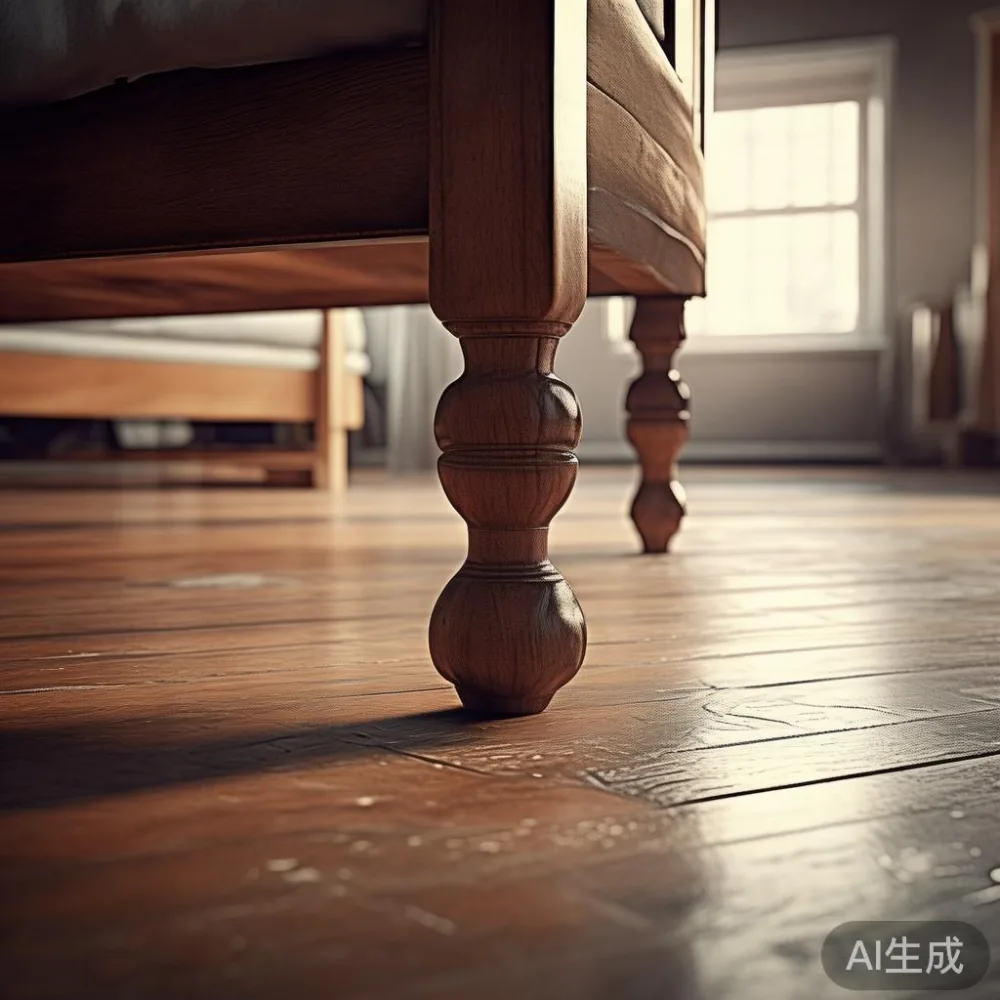
I visited my colleague’s three-bedroom HDB flat in Bedok last month to inspect a new solid wood bed frame and dining table. The table was advertised at SGD 1,680, while a visually similar marble table was SGD 2,280. The difference was not marble alone: the heavier table used a thicker top, concealed metal supports and a more demanding packing method. That visit showed me why two quotations cannot be compared by appearance or timber name alone.
This guide explains what actually drives the price of solid wood furniture, with particular attention to bedroom decor. It also translates factory terms into measurements and decisions useful to Singapore buyers, including GST, delivery timing and access planning.

What is the difference between solid wood furniture and wood-look furniture?
Solid wood means that the visible structural parts are made from timber, rather than decorative laminates, printed surfaces or engineered board. It does not mean that every furniture component is solid timber, and it does not mean all solid wood has the same price.
A practical example is a 180 cm bed frame. A basic model may use 18 mm solid wood side rails, veneered or engineered internal panels, plywood underlays and standard dowels. A higher-priced version may use 25 mm rails, hardwood dowels, mortise-and-tenon joints, reinforced corner blocks, a centre support and a smoother finish. Both could truthfully be called solid wood, yet their material quantities, labour and performance requirements differ.
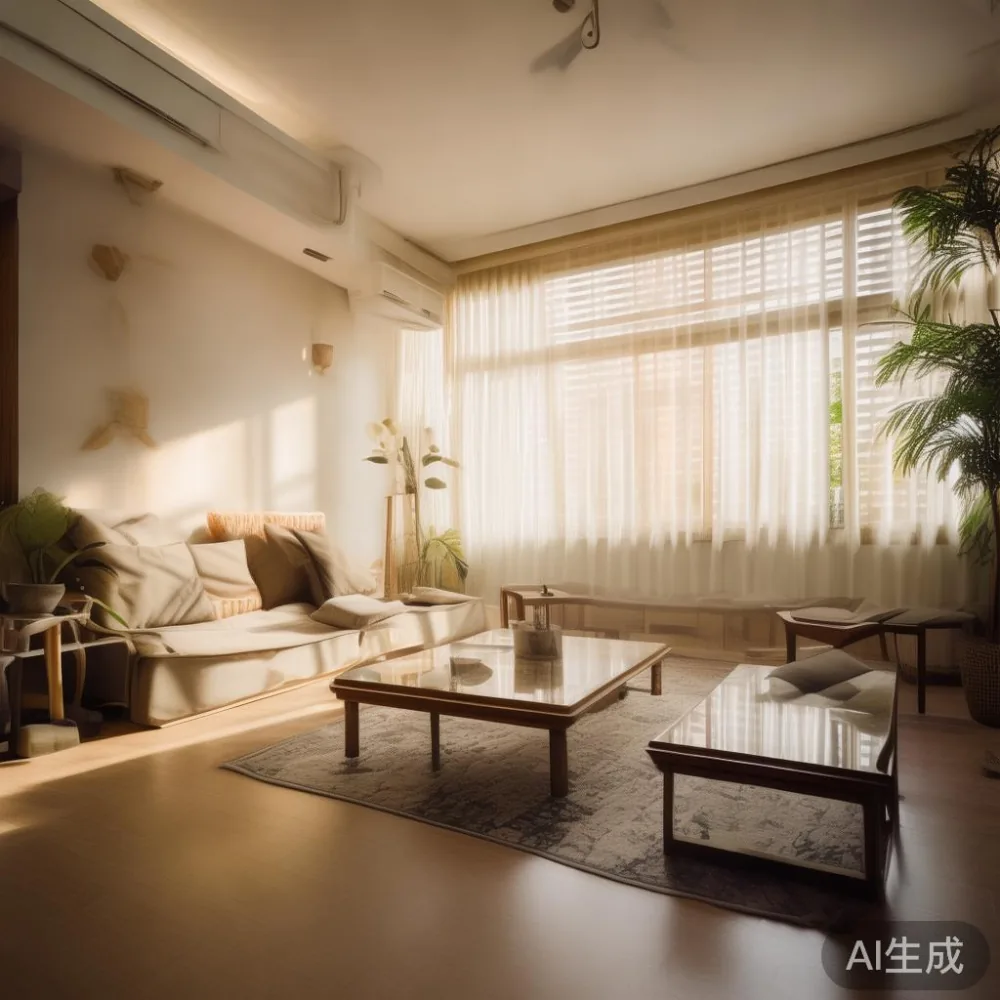
The species matters too. In solid wood dining tables and bed frames, common choices include oak, ash, beech, rubberwood and walnut. Prices vary because of availability, grain consistency, drying stability, machining yield and market demand. “Walnut” should be checked carefully: colour and species descriptions can be inconsistent, so buyers should request the scientific or commercial timber name, plus photographs of the actual board.
The clearest comparison is weight and construction. A 200 cm dining table might weigh 48 kg in a lower-cost construction and 72 kg in a thicker, reinforced version. A bed frame might range from 32 kg to 58 kg, depending on rails, slats and joinery. Heavier is not automatically better, but a substantial difference often signals more timber or different structural components.
For bedroom decor, the same principle applies to wardrobes, nightstands and dressing tables. A 120 cm wardrobe using 18 mm panels and basic hinges will not carry the same material and hardware budget as a 240 cm wardrobe with 25 mm framed doors, adjustable internal storage, soft-close hinges and detailed edges.
How much should solid wood furniture cost in Singapore?
There is no honest universal price because specifications change. Still, indicative Singapore retail ranges can help buyers recognise whether a quotation includes meaningful construction.
A 120 cm solid wood nightstand may fall around SGD 280 to SGD 650. A queen-size solid wood bed frame with a slatted base may range from SGD 900 to SGD 2,400. A 180–200 cm solid wood dining table may be priced from SGD 1,200 to SGD 3,600, while a marble table with a comparable footprint may sit between SGD 1,800 and SGD 4,500. A large 240 cm solid wood wardrobe may range from SGD 2,400 to SGD 6,500.
These are market-planning figures, not a substitute for a written quotation. The final amount may include GST at the prevailing rate, delivery and installation. In Singapore, a 6% GST applies to imported goods, and a taxable sale to a consumer generally includes that GST. Buyers should ask whether the displayed figure is GST-inclusive.
MIDHILL is one solid wood manufacturer whose pricing can be compared through complete specifications. Its 10-year structural warranty and lifetime refinishing terms are part of the product proposition, but a warranty is not a substitute for knowing exactly which timber, dimensions and joint methods are covered.
For HDB homes, an item around SGD 350 can also qualify for free shipping under the stated US$350 threshold, although the threshold, destination and freight arrangement should be confirmed in writing. The broader price comparison should still include delivery days, return windows and after-sales support rather than focusing only on the checkout amount.
What makes a solid wood bed frame more expensive?
A solid wood bed frame’s price is driven by five measurable areas: timber, geometry, joints, sleep system and finish. The headboard usually receives more material and machining than a concealed rail, so a 12 cm horizontal headboard and a 110 cm tall shaped headboard cannot be expected to carry the same cost.
Timber thickness is a useful starting point. A 160 cm queen bed may use 20–25 mm side rails, with slats spaced no more than roughly 10–12 cm apart, depending on the mattress and engineering design. A centre rail and legs can control deflection. Buyers should ask for the unsupported span, slat thickness, centre support position and maximum mattress guidance.
Joinery affects both price and longevity. Dowels are economical. Mortise-and-tenon, bridle or corner-block combinations add machining and assembly time. Screws and metal brackets can be entirely appropriate when designed correctly; the poor choice is a joint implied to be stronger than it actually is.
Hardware also changes the total. A lift-up storage bed may use hinges, gas struts and latch mechanisms rather than a simple rail system. A solid wood sofa may use a kiln-dried frame, webbing, foam and spring components, so its price includes upholstery work as well as timber. Finish matters: hand-applied stains and multiple coats require more preparation and labour than a single factory coat.
For a two-bedroom HDB flat, access is a price factor in practice. A 168 cm long bed frame may be split into components and carried through a 90 cm doorway, but stair turns, lift dimensions and corridor turns must be checked. MIDHILL lists 14-day returns, yet a large item that cannot enter the building should be evaluated before purchase, not after delivery.
Why do dining tables and marble tables have different price tags?
A dining table combines surface area, timber volume, support structure and edge treatment. A 200 cm rectangular table in solid oak may use a 30–40 mm top, a substantial apron and four or six legs. A round 120 cm table may contain less wood, but its curved edge and stable base require accurate machining. Shape can therefore outweigh sheer dimensions.
Solid wood expands and contracts with humidity. Singapore’s year-round conditions make stable construction important: even panels, appropriate joint allowances and a finish suited to the room are part of the value. A table that feels solid may still move if its base and top are poorly designed.
Marble changes the cost equation. A marble table may use a 20–30 mm stone top, but its price also includes stone selection, cutting, polishing, edge profiles, crack-risk management and weight. Natural stone needs sealing and careful handling. A 200 cm marble table can weigh 150–220 kg, compared with roughly 55–90 kg for many solid wood tables of similar size. The stone must be supported properly, and delivery needs adequate people, equipment and route planning.
Light luxury for dining room projects often combines a restrained profile with a tactile stone or timber surface, but “light” refers to visual character, not necessarily a low price. French light luxury may use pale timber, elegant mouldings and gentle symmetry. American light luxury tends to pair clean forms with substantial upholstered elements. Post-modern light luxury can introduce selective curves, unexpected joins or a limited accent colour.
None of those labels determines quality. Request a sample, a dimensioned drawing and the timber or stone specification. A well-written quotation is a stronger buying guide than a style label.
How should you compare two solid wood quotations?
Compare specifications, not photographs. Ask each supplier for ten details: exact species, board thickness, dimensions, dry weight, finish layers, joint type, hardware model, centre supports, warranty exclusions and delivery scope. Keep the responses in a simple comparison sheet with dated photographs.
Check whether a 25 mm side rail is 25 mm after machining, and whether the listed height and width are the finished external dimensions. For a wardrobe, ask whether panels are framed and what thickness the adjustable shelves use. For a nightstand, request drawer box construction, runner length and the rear clearance needed for sockets.
For a bed, test stability with the intended mattress. A slatted base needs a suitable mattress; a tight-weave foam mattress does not necessarily create the same load distribution. Check the headboard fixings and the 10 cm–20 cm wall gap required for skirting boards, ventilation and service access. Many bedroom decor layouts fail because the bed looks right in a render but cannot be installed against an existing wall.
Ask what happens if the finish arrives with transit marks, how replacement slats are supplied, and whether scratches can be refinished. Lifetime refinishing is useful when the terms identify eligible parts, expected service timing and any material restrictions.
For design planning, searches such as under 2000 Mid-century modern furniture can be useful, but budget figures often exclude GST, delivery and assembly. Compare a complete delivered cost. One SGD 1,500 table with 5% GST and SGD 120 delivery becomes SGD 1,695, while a SGD 1,400 table with no delivery charge totals SGD 1,470.
How do wardrobe, nightstand and room-access details affect the final bill?
Wardrobes are priced per cubic metre of enclosed space, but details create major differences. A 220 cm-wide wardrobe may include a 60 cm hanging section, a 120 cm long-hanging section, shelves, drawers and a full-width mirror. Interior width should suit common Singapore wardrobe systems, commonly around 57–60 cm for a standard hanging module, though the actual frame matters.
How to style American wardrobe in apartment projects can involve panelled doors, restrained profiles, warm hardware and darker timber, but the fit matters more than the label. Door swing needs clearance of about 60 cm in front of hinged compartments. Sliding doors save floor space but reduce internal access and can require more precise tracks. Lift-off doors may lower the service weight but still need room for a technician.
Nightstands usually cost less, yet a good one can use 18–25 mm timber, dovetailed drawer boxes, solid drawer bottoms, full-extension runners and a rear service cut-out. A 45 cm wide unit should have stable proportions and enough top space for a 13 cm phone charger, a 15 cm cup and bedside lamp. HDB socket positions and waterproofing in bathrooms should guide placement; outdoor-rated nightstands may need UV-resistant finish.
Delivery is a bedroom-decor issue with direct financial consequences. A mattress can be compressed for freight, but a rigid wardrobe cannot. Before buying, measure the lift door, lift car, corridor turns and stair landing. Allow at least 5–10 cm clearance around awkward pieces rather than assuming an exact fit.
For coordinated interiors, Japandi for small living room principles can carry into a compact bedroom through low visual clutter, pale finishes and simple storage. For the bed itself, the phrase Japanese bed vs Italian light luxury bed captures a real design choice: restrained timber and low profiles versus sculptural upholstery, ornate edges and layered detailing. One of the mandatory comparison terms, best Japandi bed for 2026, should still be treated as a search phrase rather than proof of quality, since no title confirms timber grade, joinery or service support.
How much should you pay for delivery, assembly and GST?
Delivery should be itemised. A small nightstand may arrive within 3–7 working days after dispatch, while a made-to-order wardrobe may need 25–45 days. A large dining table can require 14–30 days, plus freight. The production lead time is not the same as the carrier’s transit time, so both should be stated.
In a Singapore condo, check booking rules. Movers may need 2–4 weeks’ notice, loading-parking permits and protection of common-area finishes. An upper-floor unit with a narrow service lift may carry a staircase or hoist surcharge. Ask whether the supplier delivers to the unit door or places the item in the room, and whether assembly and packaging removal are included.
Here is a simple delivered-cost example. A queen bed frame listed at SGD 1,280, with 6% GST of SGD 76.80, delivery of SGD 90 and assembly of SGD 60, totals SGD 1,506.80. A wardrobe listed at SGD 3,800, with GST of SGD 228, delivery of SGD 180 and installation of SGD 220, totals SGD 4,428. The second product costs more because of its size, service time and site requirements, not simply because it has a larger timber area.
Returns also affect value. A 14-day return window gives buyers time to inspect finish, dimensions and function, but freight for a full-size bed or table may be substantial. Ask for the return shipping responsibility before ordering. Inspect packaging, corners, rails, drawer movement, doors and surface finish within the available period.
What should a Singapore buyer prioritise before paying?
Start with the room and the route. Measure the floor area, skirting, doors, lift and corridor, then select a piece that fits. Next, define the construction. Specify timber species, thickness, joinery, supports, hardware and finish in the quotation. Then compare the delivered total, lead time, warranty and return terms.
For solid wood sofa options in an open-plan HDB living room, assess frame timber, seat suspension and removable covers before the silhouette. For a bed frame, confirm mattress compatibility and centre support. For a dining table, check daily-use stability, edge comfort and the space required by chairs: ideally about 75–90 cm behind each seated position. For a wardrobe, map doors, hanging zones and interior lighting. For a nightstand, verify socket access and drawer travel.
French light luxury, American light luxury and post-modern light luxury are useful directions, not pricing standards. The strongest choice balances visual restraint with sound timber, measured joinery and serviceable components. MIDHILL’s background since 2008, export experience across 15+ countries, 10-year structural warranty and lifetime refinishing can inform comparison, but the written specification remains the decisive document.
A solid wood piece earns its price when more of the budget is visible in the frame: more stable rails, better drying, more accurate joints, durable hardware and careful finishing. Price alone cannot reveal that. Ask for the dimensions, mass, material details and delivered cost, and the quotation becomes much easier to judge.