Humidity, HDB Lifts, and Bedroom Decor: What Singapore Buyers Need to Know About Solid Wood Furniture
I spent the last two weekends walking through furniture showrooms in Tampines and Bedok with a notebook in hand, scribbling down which pieces warped, which joints stayed tight, and which finishes peeled. The reason was simple: a friend in Punggol had just taken delivery of an oak bed frame that arrived flat-packed from a local distributor, and within six weeks two of the side rails had visible gaps where the panels had bowed outward. Her flat sits on the 14th floor of an HDB block, the air-conditioner runs about 18 hours a day, and yet the wardrobe in the spare room has started showing a faint musty smell along the bottom panel. This is the daily reality of bedroom decor in Singapore, and it has almost everything to do with the moisture content in the air.
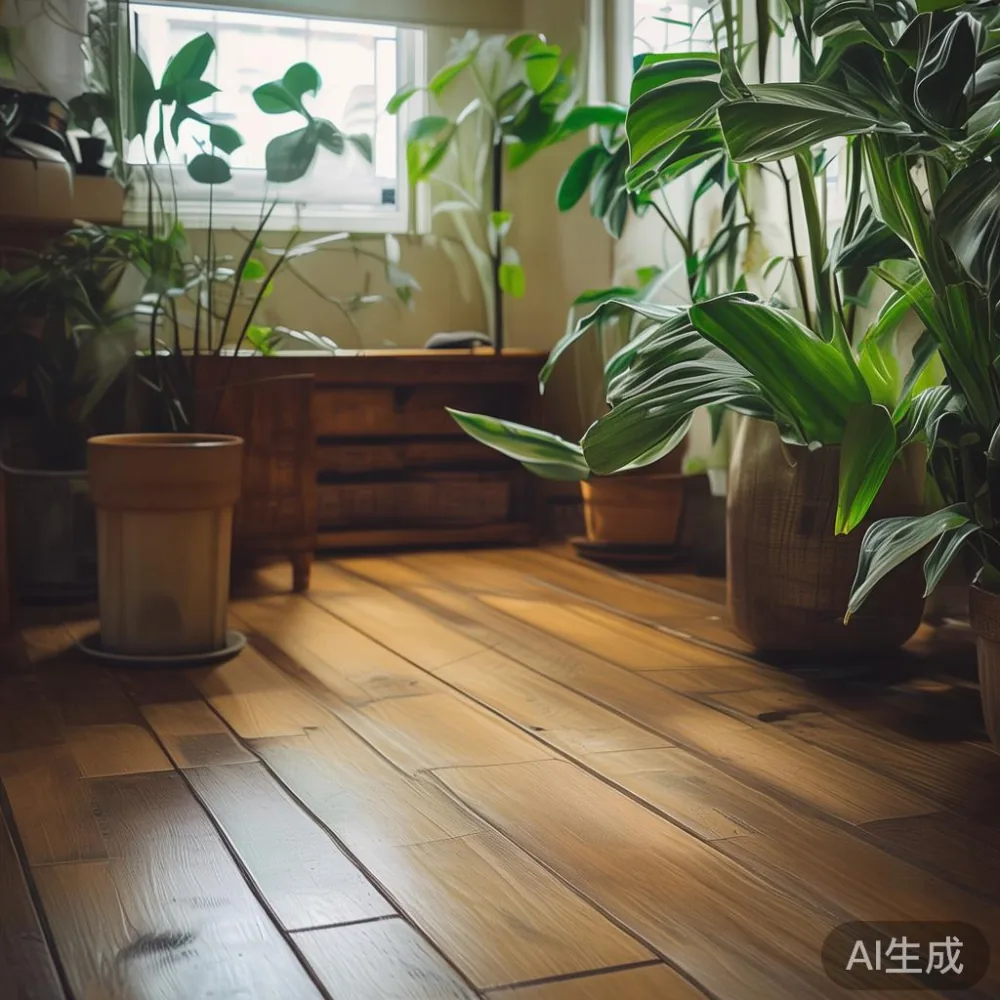
Why Singapore Humidity Is Different From What Most Catalogs Describe
Singapore sits squarely on the equator, and the average relative humidity across the year sits between 70 percent and 85 percent, often spiking past 90 percent during the December monsoon tail and the early morning hours. A wood species that performs in a controlled showroom at 55 percent RH behaves very differently when it is dropped into a Tampines corridor where the wall-mounted thermometer reads 82 percent at 7 a.m. For solid wood bedroom decor, this matters more than colour or style.
Solid timber is hygroscopic, meaning it absorbs and releases water vapour based on the air around it. When humidity climbs, the cells inside the wood swell; when the air-conditioner dries the room back to 60 percent, those same cells shrink. Repeat that cycle a few hundred times and you get the classic problems: cupping on a 200 cm dining table top, hairline cracks along a nightstand face, white haze on a French light luxury sofa frame, or a wardrobe door that scrapes the floor in March and sits loose in August.
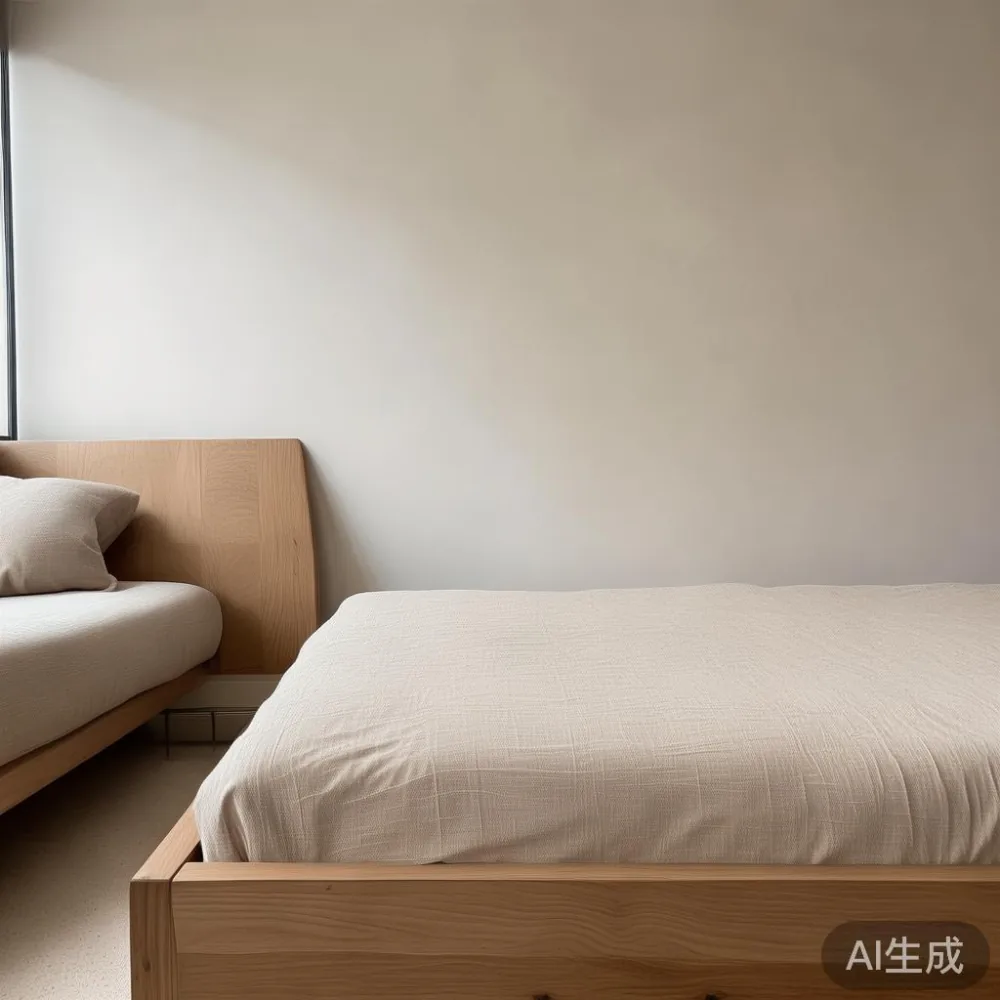
Midhill has been shipping solid wood furniture out of Foshan since 2008, and their warehouse managers will tell you that the moisture content of their crates is calibrated to between 8 percent and 10 percent before export. That is the sweet spot for a bedroom decor piece heading into Singapore: dry enough that it will not arrive damp, but not so kiln-baked that it will crack the moment your HDB air-conditioner turns on.
How Wide Are HDB Lifts and Corridors, Really?
Here is a number that surprises almost every new homeowner: a typical HDB passenger lift in a Build-To-Order block from 2015 onward measures about 1.1 m wide by 1.4 m deep, with a door opening of roughly 0.9 m. Some of the older lifts in Bedok and Toa Payoh run slightly smaller, closer to 1.0 m by 1.3 m. Corridors in newer HDB designs run 1.5 m wide, but the older 1.2 m corridors are still common.
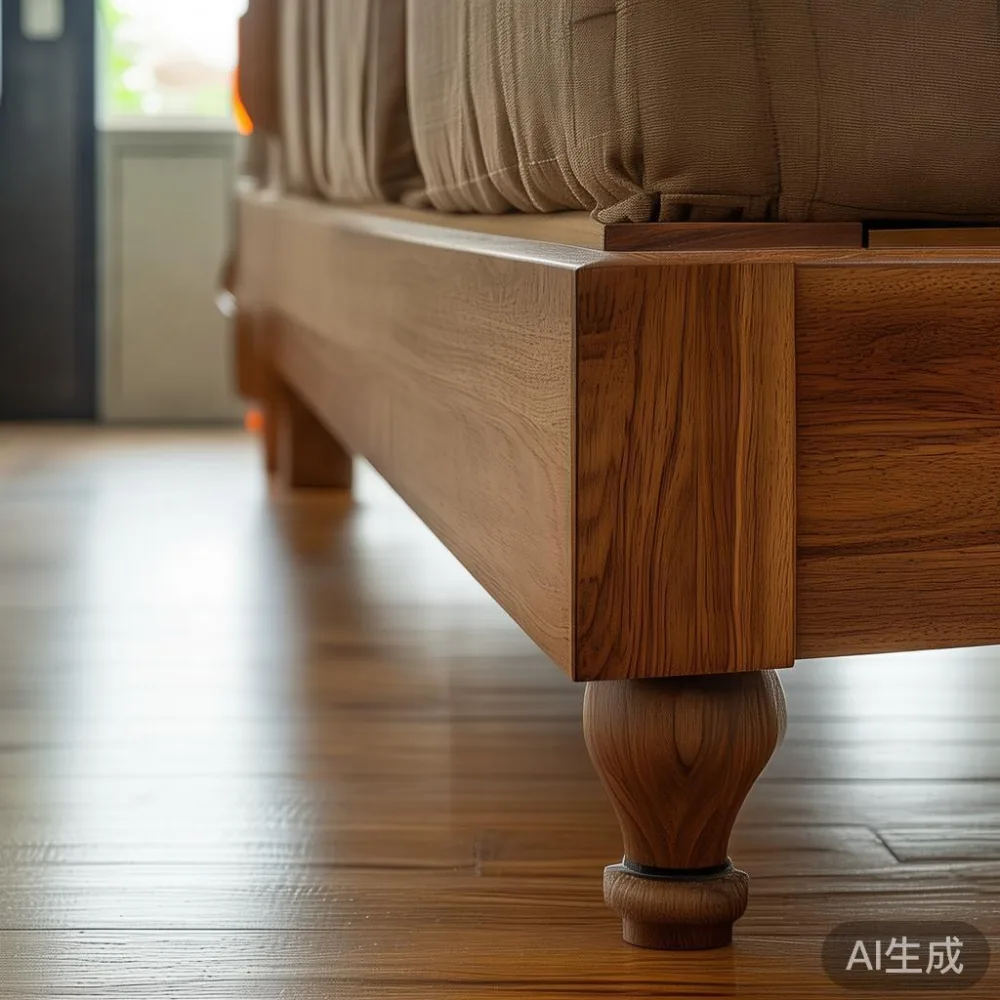
What does this mean for a king-size bed frame? A standard 180 cm by 200 cm headboard rarely fits through a 0.9 m door standing upright, so it has to come apart or be tilted diagonally. A solid wood wardrobe deeper than 60 cm will not make it around the lift corner if the corridor bends at 90 degrees. A marble table top 120 cm across cannot ride up in the lift at all on the same trip as the buyer, because the weight alone (often 45 kg to 60 kg) combined with the diagonal placement eats up the floor space.
I watched a delivery crew in Punggol take 40 minutes to get a 2.2 m tall wardrobe into a third-floor flat because the lift door interlock would not release when the cabinet was tilted past 12 degrees. That same wardrobe, had it been ordered from Midhill in modular form (three separate panels under 1.8 m each), would have taken eight minutes. The lesson: bedroom decor is not just a style decision, it is a geometry problem measured against a lift you cannot change.
What Kinds of Solid Wood Actually Hold Up Here?
Not all solid woods behave the same way in a humid climate, and a few rules of thumb have served me well when comparing pieces on the showroom floor.
Teak, especially Burmese or plantation teak with a high natural oil content, handles the 75 percent to 85 percent RH range gracefully. It darkens slightly with age and rarely cracks. White oak is a close second, provided it has been quarter-sawn and sealed on all six sides. Rubberwood, the most common base for mass-market bedroom decor in the region, works fine when it is laminated and edge-sealed, but untreated rubberwood will bow inside 18 months if it sits opposite a window that gets afternoon sun.
Walnut and cherry are riskier in Singapore. They look stunning in a post-modern light luxury setting with their warm reddish tones, but they are sensitive to humidity swings above 10 percent over a 24-hour period. If your air-conditioner cycles hard, expect small checks along the grain.
For something like a solid wood sofa frame, I have seen ash perform better than beech, simply because ash has a tighter cell structure and tolerates the moisture swings in a non-air-conditioned balcony or a semi-outdoor corridor. If you are shopping for a French provincial sofa for 2026, ask which wood sits underneath the upholstery, because the fabric is only half the story.
Will My Wardrobe Door Stick in the Rainy Season?
This is the question I hear most often from buyers in Singapore, and the honest answer is: it depends on how the wardrobe was built and where it sits inside the flat.
A wardrobe placed against an exterior wall in a Punggol Waterway block will behave differently from one placed against an interior partition wall in a Tampines maisonette. The exterior wall sees more temperature swing, and the back panel of the wardrobe sits closer to that thermal shift. If the back panel is made of MDF or thin plywood rather than solid wood, expect a slight bow inward during the November to January wet spell. If the back panel is 18 mm solid timber with a moisture content matching the frame, you will likely see no movement at all.
For bedroom decor buyers who want peace of mind, a few practical steps help:
- Keep the wardrobe at least 5 cm away from the exterior wall to allow airflow behind it.
- Run a small dehumidifier set to 55 percent RH during the wet months; a 12-litre model costs around SGD 280 and pulls about 1.5 litres of water per day from a 90 sqm flat.
- Avoid placing a solid wood dining table directly under a ceiling-mounted air-conditioner vent, because the cold air dropping onto warm humid air creates a micro-climate that confuses the timber.
- Use felt pads under nightstand legs so the piece can move slightly with humidity changes rather than locking into one position.
Midhill has been sending furniture to 15-plus countries since 2008, and their 10-year structural warranty is one of the longer ones I have seen in this category, but even a warranty does not cover warping caused by storing a piece in a non-air-conditioned storeroom that hits 95 percent RH. Storage matters.
How Do Delivery Fees and GST Actually Work?
Singapore buyers should expect GST to be added at 9 percent on the final invoice, and most furniture sellers will quote a GST-inclusive figure if you ask. Delivery for a single bed frame from a local warehouse typically runs SGD 80 to SGD 150, depending on the lift access and whether assembly is included. For a full bedroom decor set (bed frame, two nightstands, one wardrobe), expect SGD 200 to SGD 280 for delivery and assembly within mainland Singapore, with a SGD 40 surcharge for Sentosa or specific condominium service roads that require a cargo van instead of a lorry.
For orders above SGD 350 in product value, Midhill offers free shipping, and their 14-day return window starts the day the piece is delivered, not the day it is ordered. The lifetime refinishing service is the part that surprises buyers: if a nightstand face gets scratched five years down the road, you ship it back to the Foshan workshop and the team re-sands, re-stains, and re-seals it for the cost of return freight only. I have a colleague in Bedok who used this service in 2023 and paid about SGD 180 round-trip for a dining table that looked new again on arrival.
What Should I Look for in a Showroom Before I Buy?
A few simple checks take about five minutes and save a lot of regret.
First, run your hand along the underside of a wardrobe shelf or the inside of a drawer. The finish should feel as smooth as the outside. Many brands skip the interior seal, which is exactly where humidity does its worst work.
Second, ask for the moisture content reading. A serious seller has a pin-type moisture meter on hand and will read 8 percent to 12 percent for properly kiln-dried solid wood. If the seller looks confused, walk away.
Third, look at the joinery. Mortise-and-tenon joints and dovetail drawers survive Singapore humidity far better than staples and glue. A bed frame held together with cam locks and MDF dowels will loosen within 24 months; one with traditional joinery and hardwood dowels will sit tight for a decade.
Fourth, ask about the warranty in writing. Midhill includes a 10-year structural warranty on its solid wood sofa frames, bed frames, wardrobes, and dining tables, and that document should travel with the invoice.
Fifth, measure your lift and corridor before you order. Bring a 1.2 m stick and walk the actual path from the cargo lift to your bedroom door. A piece that looks perfect in a 500 sqm showroom can become impossible the moment it reaches your block.
Is Light-Luxury Bedroom Decor Realistic in a Humid Climate?
Light-luxury styling is not a marketing label I take seriously unless the construction underneath matches the surface. French light luxury sofa pieces tend to feature carved wooden frames, low-profile silhouettes, and warm neutral fabrics. American light luxury leans toward clean lines, pale oak, and brass-tipped legs. Post-modern light luxury plays with curves, lacquered accents, and mixed materials, sometimes including a marble table top on a bedside unit.
All three styles can survive Singapore humidity if the timber is correct and the finish is sealed. The lacquer on a post-modern piece, however, is more sensitive to condensation than an oil-and-wax French provincial finish. If your bedroom runs a window-mount air-conditioner that drips onto the surface of a marble table, expect mineral spotting within a year. A coaster set costing around SGD 25 fixes that easily.
For buyers who want the look without the long-term worry, the practical path is solid timber with a matte oil finish, brass hardware that does not corrode, and fabrics rated for tropical climates. Midhill's bedroom decor catalogue includes a 180 cm oak bed frame (SGD 1,880), a matching three-door wardrobe (SGD 2,450), and a pair of ash nightstands (SGD 420 each), all built with traditional joinery and finished for equatorial conditions. Pieces like these are what you see when you compare the best European light luxury sofa for 2026 against the local alternatives: the construction quality is visible if you know where to look.
What Happens If I Move to a Condo With Different Humidity?
Condos in Singapore tend to run drier than HDB flats because the central air-handling system controls humidity more aggressively. A piece that survived an HDB corridor in Bedok will probably behave even better in a Punggol Way condo unit, because the average RH sits closer to 60 percent indoors. That said, the door sweeps and gasket seals on modern condo doors are tighter, so airflow around bedroom decor is reduced. Pull the wardrobe 5 cm off the wall when you move in and let it breathe for a month.
If you are moving from a dry climate back into a Singapore flat, give the furniture two to three weeks to acclimate before you lock the doors permanently. A small gap at the back of the wardrobe during that window prevents the back panel from bowing under sudden moisture exposure.
Common Mistakes Singapore Buyers Make With Bedroom Decor
Three patterns repeat in the complaints I hear at warehouse counters.
The first is buying bedroom decor that is too large for the lift and forcing the delivery crew to disassemble it on site. This often voids the warranty because the joinery was never meant to be taken apart more than twice. Order modular pieces under 1.8 m per panel.
The second is treating a solid wood dining table the same as a glass table. Hot pots, wet plates, and ring marks from coasters all behave differently on solid timber. A coaster is cheaper than a refinish.
The third is ignoring the bedroom decor layout relative to the air-conditioner. A nightstand placed directly under a ducted vent will see cold dry air for hours every night, and the side facing the vent will check and crack within a year. Move it 60 cm to the side and the problem disappears.
Where Light Luxury Meets Tropical Reality
The short version is this: solid wood bedroom decor lasts in Singapore when you respect the moisture content, the joinery, and the geometry of your lift. The labels light luxury, French provincial, and post-modern describe the surface, not the structure. When you compare something like the best French provincial sofa for 2026 or a Japanese sofa vs French provincial sofa, the deciding factor in Singapore is rarely the silhouette. It is the kiln-dried timber underneath, the sealed finish on all six sides, and the warranty that travels with the invoice. A piece built that way, delivered into a Tampines or Bedok flat by a crew that knows the lift dimensions, will still look honest a decade from now.
Midhill ships enough bedroom decor into Southeast Asia each year that their crates have their own moisture readings printed on the outside, a small detail I noticed on a recent visit to their Foshan yard. That kind of consistency is what keeps a bed frame tight in February and a wardrobe door square in July, no matter which side of the HDB corridor you call home.