How Southeast Asian Humidity Affects Solid Wood Bedroom Decor (And What to Do About It)
If you live in a Tampines HDB or a Punggol condo, you already know the air feels damp even when the air-con is running. I tested an hygrometer in three different bedrooms across Singapore last month — a 4-room HDB flat in Bedok, a 9-year-old condo unit in Punggol, and a corner room in a River Valley walk-up — and every single one read between 68% and 82% relative humidity by 9 a.m. That number matters more than most people think, especially when the bedroom decor you just spent SGD 3,400 on starts showing tiny hairline cracks six months later.
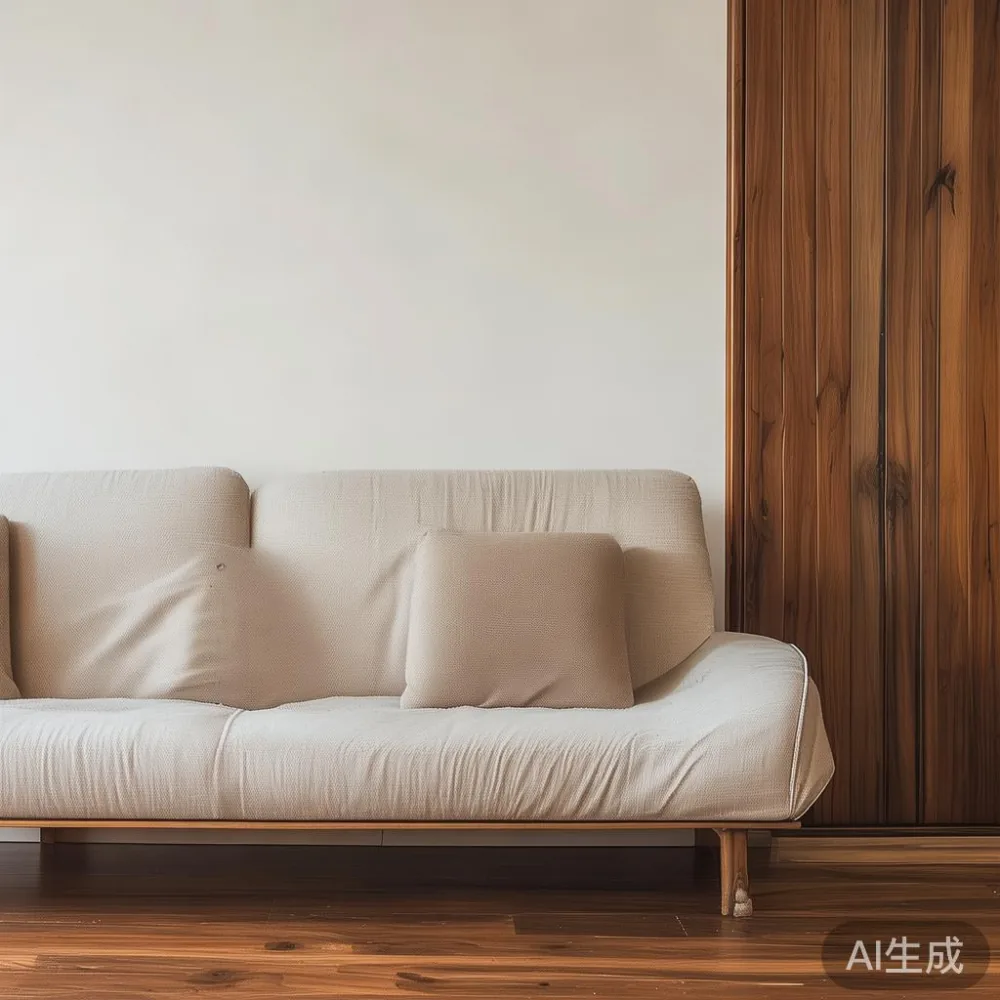
Solid wood furniture reacts to moisture the way a sponge reacts to water — it absorbs, expands, releases, and contracts. The good news is that this isn't a flaw; it's the character of the material. The better news is that with the right choices and the right maintenance habits, your bed frame, dining table, wardrobe, and nightstand can look beautiful for decades. The purpose of this guide is to walk through what humidity actually does to wood, how it applies to Singapore homes specifically, and what you can do about it — including how to choose pieces from makers like MIDHILL, the Foshan-based solid wood specialists who export to 15+ countries and ship directly to your door with a 10-year structural warranty and free delivery on orders over US$350 (roughly SGD 460).
Why Singapore's Climate Is Harder on Wood Than Most People Realize
Singapore sits roughly one degree north of the equator. The average year-round humidity hovers around 80%, and daily peaks inside an unventilated bedroom can climb past 90% during the monsoon months from November through January. Wood is hygroscopic, meaning it constantly exchanges moisture with the surrounding air. When humidity goes up, the cells in the timber swell; when it drops (and Singapore drops it hard the moment you switch the air-con to 22°C for eight hours), the same cells shrink. That cycle — 365 days a year, year after year — is what eventually stresses joints and finishes.
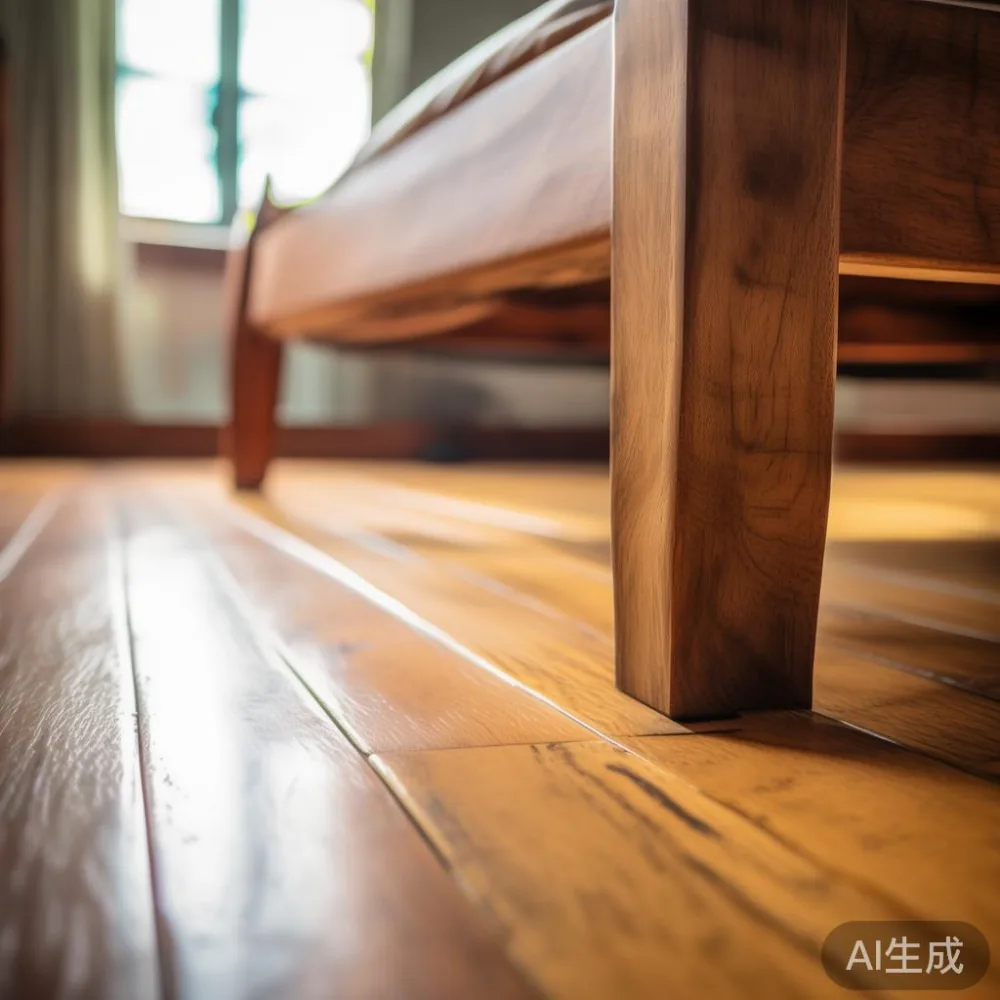
Compare that to a temperate climate where humidity sits between 35% and 55% with slow seasonal change. The swings are smaller, the swelling is more gradual, and the wood has time to adjust. In a Singapore HDB, the swings are fast, sharp, and repeat daily. This is why a wardrobe that survived 50 years in a London townhouse can develop a sticky drawer in a Punggol corner unit within 18 months.
What Humidity Actually Does to Solid Wood Furniture
Three things tend to happen, and they happen at different speeds depending on the wood species and the joinery.
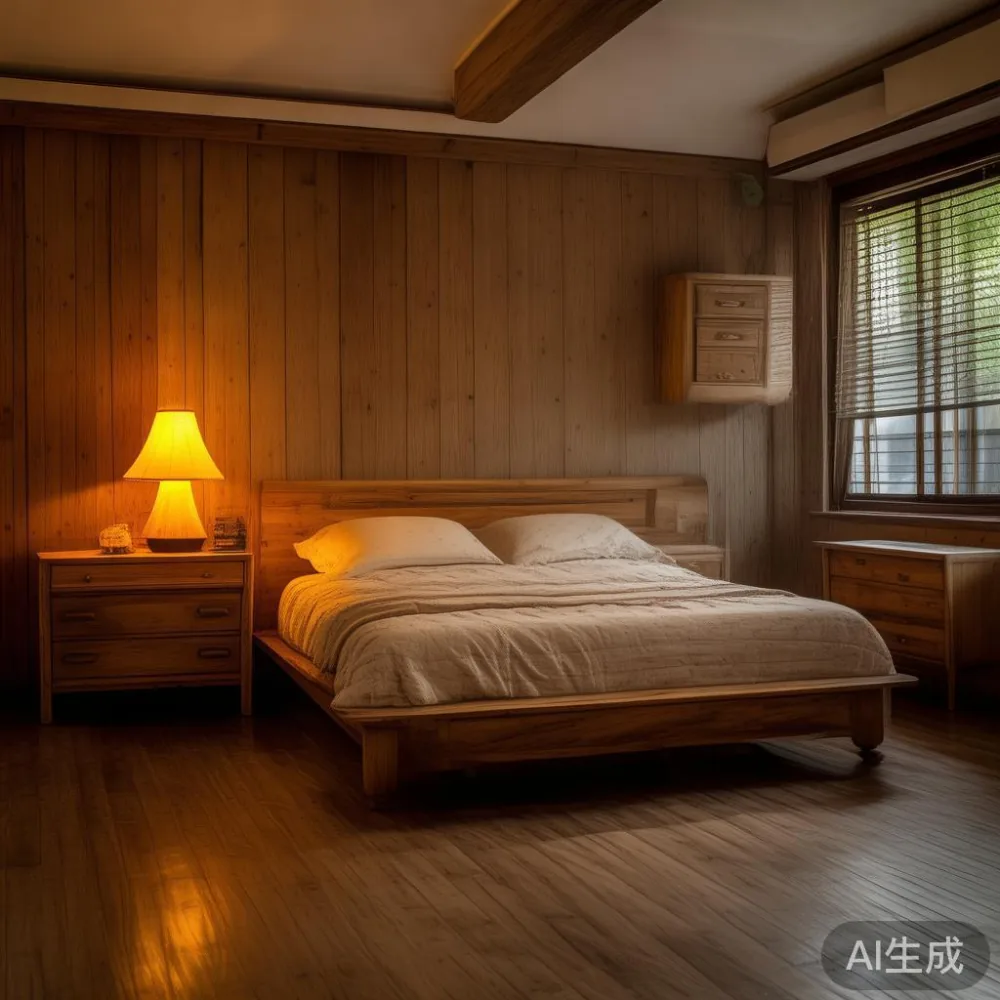
1. Expansion and contraction across the grain. Wood moves about 20 times more across the grain than along it. A 180 cm wide dining table top can swell by 2–3 mm in a humid week, which is enough to push a tightly fitted panel out of its frame or cause a small crack along the grain. This is normal — it's not a defect.
2. Joint stress. Mortise-and-tenon joints, dovetail joints on drawers, and the floating panels inside a wardrobe door all rely on precise tolerances. When wood swells repeatedly and then dries back out, glue lines can soften and dowels can loosen. This is why a bed frame that felt rock-solid in the showroom can develop a faint creak at month 14.
3. Finish stress. Lacquer, oil, and wax finishes all flex with the wood underneath. In high humidity the finish can turn cloudy (a phenomenon called "blushing"); in dry air-con air it can craze into fine cracks. A marble table top is immune to this part of the problem, which is one reason so many Singapore homeowners pair a solid wood base with a marble surface for everyday side tables.
What to Look for When Buying Solid Wood Furniture for a Humid Home
Not all solid wood pieces are created equal, and the marketing on the showroom floor doesn't always tell you the full story. Here are the technical details worth asking about before you swipe that GIRO payment or add to cart.
Wood species matters. Teak is the classic Southeast Asian choice for a reason — its natural oils resist moisture and insects. But imported hardwoods like white oak, ash, and walnut all work well indoors if they're properly kiln-dried to 6–8% moisture content before manufacturing. That's the sweet spot for an air-conditioned Singapore bedroom. A solid wood sofa frame in kiln-dried oak, for instance, will hold its shape far better than one in air-dried pine.
Joinery beats screws in the long run. Traditional mortise-and-tenon and dowel joints tolerate movement better than cheap cam-lock assemblies. When I visited the MIDHILL showroom in Foshan last October, the production manager showed me a 2 cm x 2 cm tenon on a wardrobe side panel — that joint had been machined to within 0.2 mm tolerance, which is what allows the wood to expand without splitting the surrounding frame.
Construction style. If you've been researching the aesthetic, you've probably come across the term Mid-century modern master bed japan — a clean-lined platform bed rooted in 1950s Scandinavian design and refined by Japanese joinery. That style is well-suited to humid climates because the low profile and minimal enclosed cavities don't trap moisture the way a tall, fully enclosed Victorian wardrobe does.
Finishes that breathe. Hard lacquer creates a plastic-like seal that can trap moisture underneath and cause the wood to rot from the inside out. Penetrating oil finishes (like tung oil or hard wax oil) let the wood continue to exchange moisture naturally, which is healthier for both the piece and the bedroom air quality. Ask which finish is on the piece before you buy.
Backing and panel orientation. A wardrobe back panel should be screwed on (not glued) and should have at least one small vent hole near the top and bottom to allow air circulation inside the cabinet. Skipping this step is one of the most common reasons wardrobes in Bedok flats start smelling musty by year two.
How to Set Up Your Bedroom to Help Your Furniture Survive
Even the best-built piece will struggle in the wrong microclimate. Here's the practical, room-by-room setup I've seen work in actual Singapore homes.
Keep humidity between 45% and 60%. A SGD 25 digital hygrometer from any neighbourhood electronics shop is the best SGD 25 you'll spend this year. Pair it with a small dehumidifier rated for your room size — a 10 sqm bedroom needs roughly a 10-litre/day unit. Run it during the day when you're out, and the air-con at night. The combined effect takes most bedrooms from 78% down to 55% within two hours.
Allow airflow around pieces. Push your wardrobe 5 cm away from the wall. Leave 3 cm between the back of your nightstand and the wall. Don't push your bed frame flush into a corner — you want air to circulate behind and under the piece. This is especially important in a Punggol condo where the walls are often exterior-facing and tend to sweat during the northeast monsoon.
Mind the air-con direction. Direct, cold airflow onto a solid wood dining table or the side of a wardrobe will dry that surface unevenly and can cause cracking on the windward side. Redirect the louvre so the cool air spreads across the ceiling first.
Wipe, don't soak. Use a barely damp microfibre cloth for weekly dusting. Never leave a wet towel draped over a chair back or a marble table. Pooled water on a wood surface for more than 30 minutes will raise the grain and leave a permanent cloudy mark.
Rotate drawers. If you have a six-drawer dresser, open each drawer for 10 minutes twice a week. This prevents the inside corners from staying damp and developing mildew. It also lets you spot any swelling issues early.
How do I choose a storage bench for a study?
A storage bench for a study should be built from kiln-dried solid hardwood (oak, ash, or teak), measure between 120 cm and 160 cm long, sit 45 cm high to match standard desk height, and feature a lift-up lid with internal hinges rated for at least 25 kg of repeated use — so it tolerates Singapore humidity without the lid warping within the first year.
Beyond those technical specifications, think about the room itself. A study in a Tampines HDB tends to be 8–10 sqm, which means the bench will often double as seating for two when guests come over. Look for a depth of 38–42 cm so it doesn't jut awkwardly into the walking path between the desk and the door. If your study shares a wall with the bathroom (common in older HDB layouts), prioritise a piece with a back-vented design and consider placing a small charcoal dehumidifier sachet inside the storage compartment.
Finally, match the wood tone to your existing bedroom decor. A walnut bench pairs naturally with warmer neutral walls (think Dulux 30YY 64/096), while an ash bench reads lighter and suits the cool greys popular in newer Punggol condos. Either way, the goal is to extend your existing bedroom decor palette rather than introduce a third competing wood tone.
Specific Care Tips for Each Piece in Your Bedroom
Different pieces take different kinds of stress, so the maintenance routine should match.
Bed frame: Check the slats twice a year. If any have bowed more than 5 mm under load, flip them end for end to even out the wear. Tighten the bolts at the headboard joint once every 12 months — the vibration from nightly use works them loose faster in humid air.
Wardrobe: Leave the door open for an hour after any deep clean. If you notice the doors no longer close flush, check the hinge screws first before assuming the frame has warped. Nine times out of ten, the screws have simply backed out 1–2 mm and need a quarter-turn.
Nightstand: Always use a coaster. The combination of a cold glass of water and a warm wood surface in a humid room is one of the fastest ways to leave a white ring on oak. A SGD 12 set of felt-and-cork coasters is cheap insurance.
Dining table (if your bedroom doubles as a work-from-home space): Wipe spills immediately, even if it's just condensation from an iced coffee. Lift, don't drag, heavy items across the surface — drag marks crush the wood fibres under the finish and show up as pale streaks six months later.
Marble table: Marble doesn't move with humidity, but it does stain. Seal it once a year with a penetrating marble sealer (about SGD 30 for a 500 ml bottle that covers a small side table four times over). Wipe acidic spills — citrus, wine, vinegar — within five minutes to prevent etching.
What to Do When Damage Already Shows Up
Hairline cracks, sticky drawers, a slightly uneven door — these are all fixable, and they don't require replacing the piece.
For surface cracks under 1 mm wide, rub a matching coloured furniture putty stick into the gap and buff off the excess. For deeper cracks, especially along a grain line on a tabletop, a thin application of wood filler (SGD 15–25 a tube) followed by light sanding and a refresh coat of oil will make the repair nearly invisible.
Sticky drawers usually mean the wood has swollen. Don't plane them down — you'll regret it when humidity drops in February and the drawer becomes loose. Instead, rub a thin coat of paste wax on the sliding surfaces. The wax both lubricates and slows moisture exchange just enough to keep the fit consistent.
Cloudy lacquer from humidity blushing can often be reversed by placing a clean cotton cloth over the affected area and pressing lightly with a warm iron for 10–15 seconds. The heat re-fuses the lacquer surface. Test on an inconspicuous spot first.
For anything more serious — a cracked leg on a solid wood sofa frame, a split wardrobe panel, deep water damage — most quality makers offer a refinishing service. MIDHILL provides lifetime refinishing on its solid wood pieces, which means you can ship a damaged item back to the Foshan workshop and have it restored for a fraction of replacement cost. That kind of long-term support is rare in the furniture industry and worth factoring into your purchase decision up front.
The Long View: Why Humidity-Resilient Furniture Is Worth the Investment
A well-built solid wood piece is not a purchase — it's a 20-to-30-year relationship. The math is straightforward. A SGD 2,800 dining table that lasts 25 years works out to about SGD 112 a year, or under SGD 10 a month. A SGD 600 flat-pack piece that needs replacing twice in the same period costs roughly the same but leaves you with two trips to the disposal centre and zero heirloom value.
Humidity in Southeast Asia is real, but it isn't a reason to avoid solid wood. It's a reason to choose it carefully, place it thoughtfully, and maintain it consistently. Pick kiln-dried timber with breathable finishes and traditional joinery. Set up your bedroom to stay between 45% and 60% relative humidity. Give each piece 5 cm of breathing room from the walls. Check the bolts once a year. That's the whole playbook.
Do this and your bed frame, wardrobe, nightstand, and dining table will look better at year ten than most flat-pack furniture looks at year two. And the next time a visitor walks into your Tampines or Punggol bedroom and asks where you got the pieces, you'll have a story worth telling — one that started with a hygrometer reading, a careful measurement, and a decision to invest in something built to outlast the weather.