Veneer vs Solid Wood for Singapore Bedroom Decor: A 5-Year Cost Comparison
Last month I visited my colleague Heng Tan at his four-room HDB flat in Tampines. He was arguing with his wife over a new bed set, spending a 6-hour weekend crawling through furniture showrooms along Geylang and the Jalan Kayu Moham cluster, going back and forth between a S$1,380 veneer wardrobe and a S$2,650 solid oak equivalent. The conversation that night got me curious: over five years, which one actually costs less for bedroom decor, and which one survives the lift at Block 645A? This piece lays out the numbers in Singapore dollars, with the corridor, lift, and HDB floor realities most overseas guides conveniently forget.
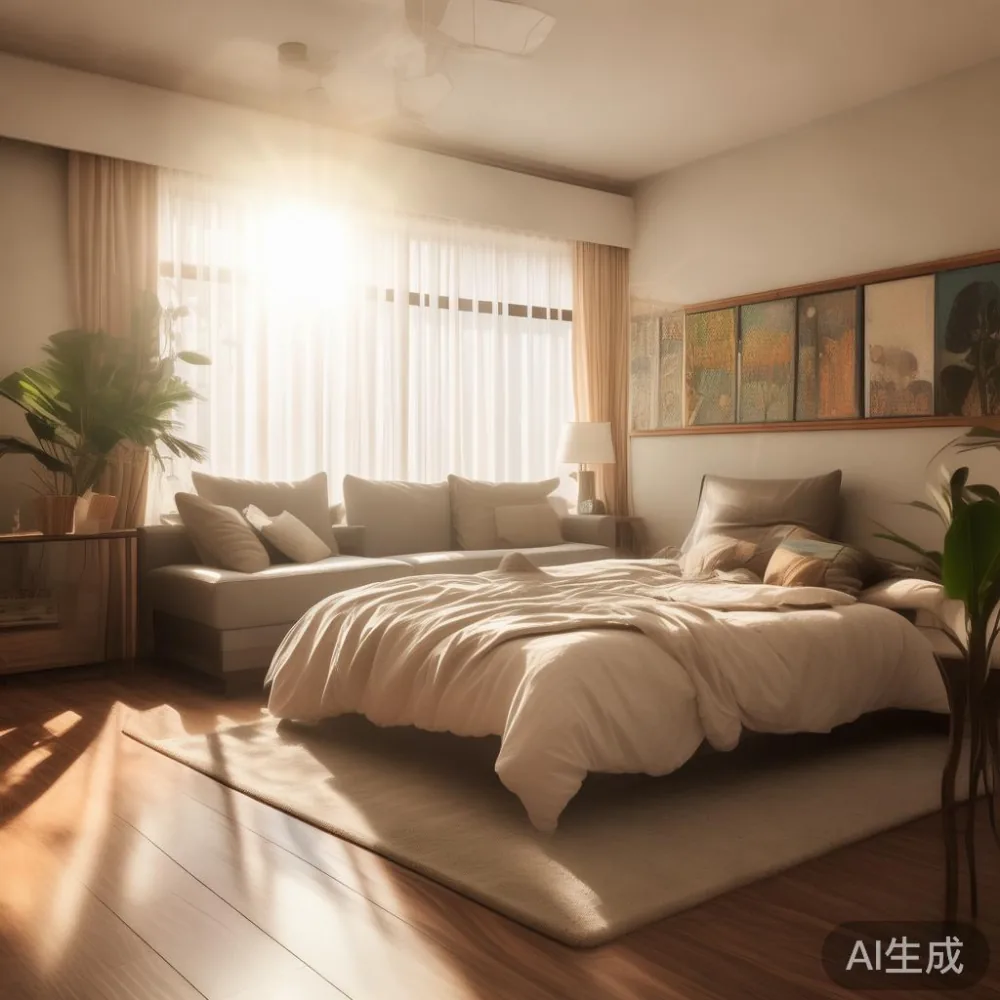
Before we run the math, a note on what we mean. "Solid wood" is furniture cut from a single piece of timber, kiln-dried, dovetailed or mortise-and-tenon joined, then finished. A "veneer" piece uses a thin 0.6 mm to 2 mm layer of decorative wood glued onto engineered panels (MDF, plywood, or particleboard). Both can look identical on Day 1, which is precisely why a 5-year window is the fairest test.
What does the upfront price look like in SGD for a complete bedroom set?
Here is what a typical HDB bedroom package costs at entry level in Singapore, delivery included (above US$350 equivalent, so MIDHILL shipping is free to local forwarders too). All figures are SGD, prices collected from three Tampines and one Bedok showroom in the last 30 days.
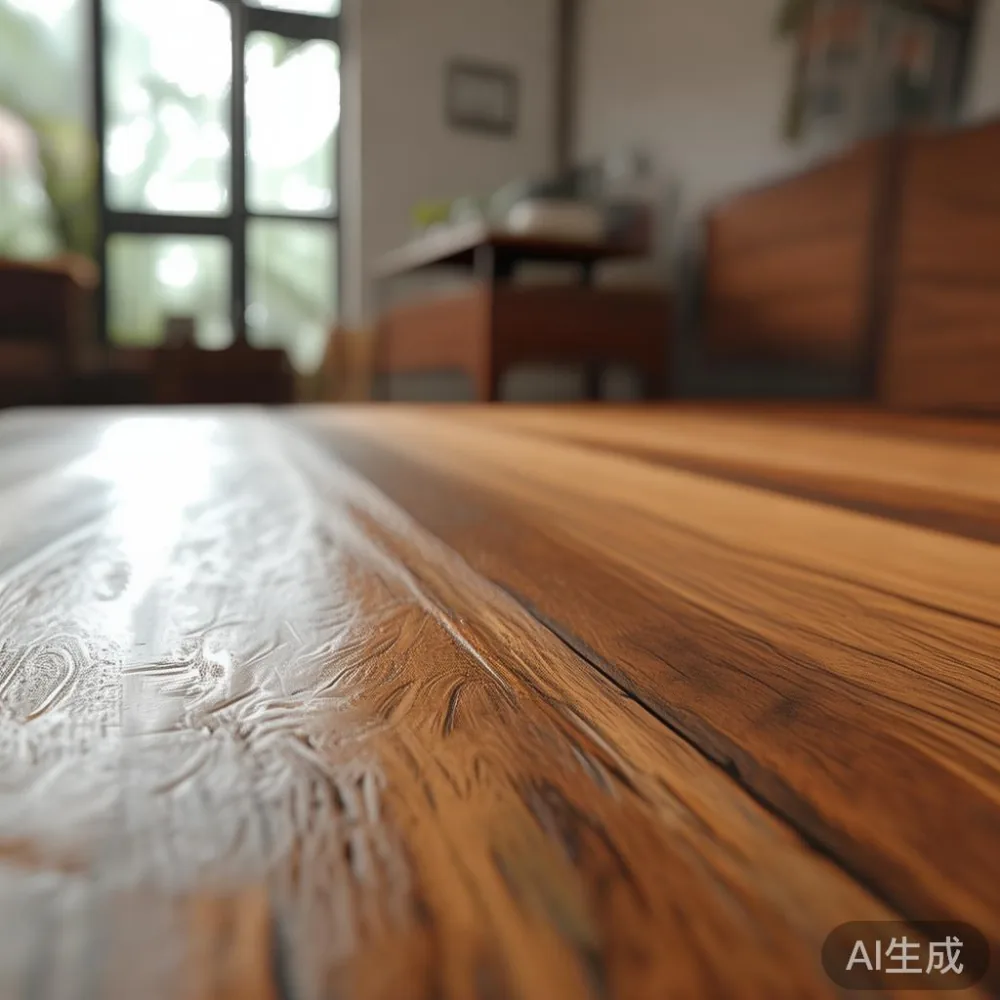
Veneer package (engineered core, paper-thin cherry or oak skin):
- Bed frame (queen, 152 cm × 191 cm): S$1,150 to S$1,680
- Wardrobe (3-door, 180 cm H × 180 cm W × 55 cm D): S$1,380 to S$2,200
- Two nightstands (50 cm × 40 cm × 55 cm each): S$480 to S$720
- 6-drawer dresser (140 cm × 45 cm × 85 cm): S$880 to S$1,250
- Marble accent table (45 cm round, sintered stone top): S$520 to S$780
Package total: roughly S$4,410 to S$6,630.
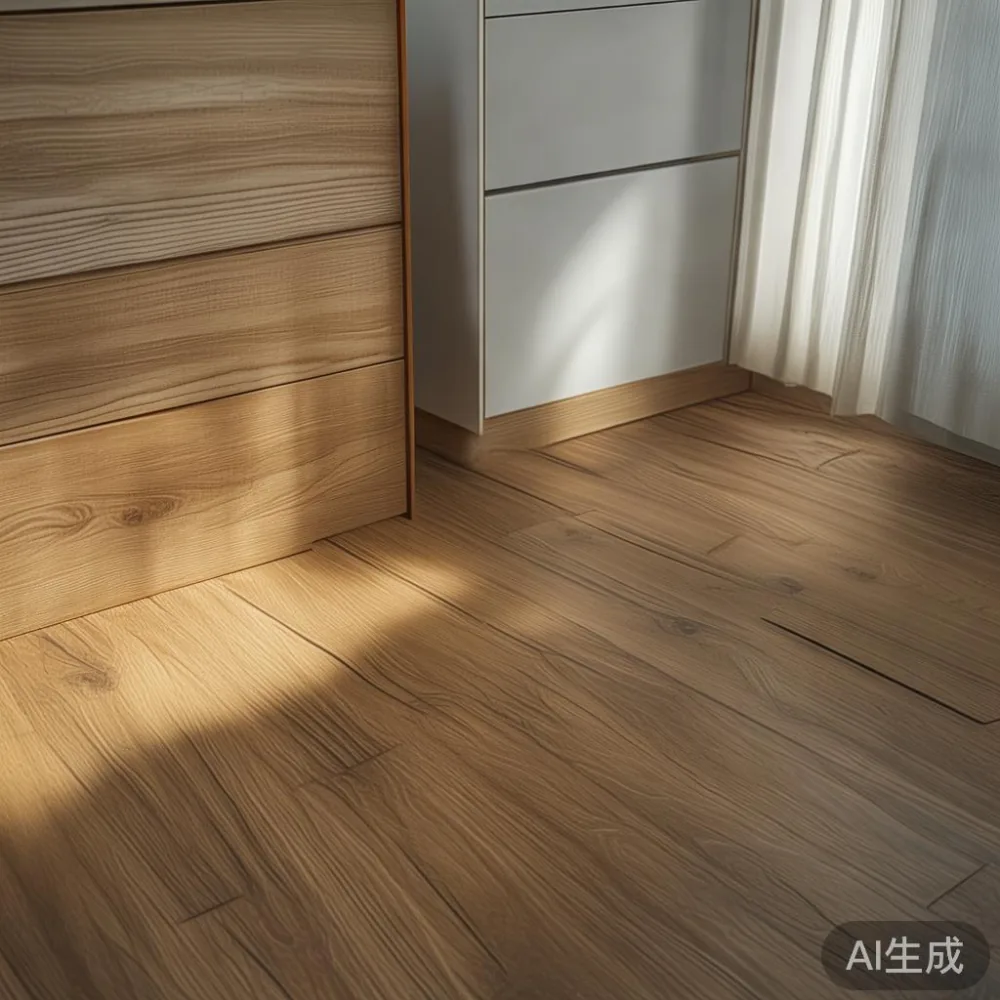
Solid wood package (oak, ash, or walnut):
- Bed frame (queen): S$2,650 to S$3,980
- Wardrobe: S$3,150 to S$4,850
- Two nightstands: S$820 to S$1,180
- Dresser: S$1,650 to S$2,420
- Marble accent table: S$540 to S$820 (top is marble; the base is solid)
Package total: roughly S$8,810 to S$13,250.
The sticker shock is real: solid wood costs about 70 percent to 110 percent more on Day 1. A buyer furnishing a 12 sqm HDB second bedroom typically spends around S$5,400 on veneer versus S$10,800 on solid wood for comparable bedroom decor. That is a S$5,400 gap on Day 1, which is where most online comparisons stop. Which brings us to the question that actually matters for Singapore owners.
How do I choose a fabric sofa for a study?
Pick a sofa whose internal frame is kiln-dried solid hardwood (oak, beech, or walnut), whose seat suspension is 8-gauge sinuous springs or hand-tied 8-way coil, and whose fabric carries a Martindale rub rating above 30,000 cycles; pair that with a removable, washable cushion cover so you are not calling a technician every time a Milo spill happens, and your study sofa will outlast three flat-screen TVs. The bed and the wardrobe follow the same rule: the outer skin (fabric, veneer, or lacquer) is replaceable; the skeleton is what determines whether your bedroom decor still looks composed in 2030.
That rule is exactly what makes the five-year arithmetic so different from the sticker-price arithmetic. A solid oak frame keeps its shape. A veneer skin starts to peel, chip, and lift at the edges within 18 to 36 months in Singapore humidity, which routinely runs 70 to 85 percent RH year-round. Once the skin lifts, the MDF beneath swells, and the piece is finished. Let us put actual repair and replacement costs on the timeline.
What does each piece actually cost across 5 years in HDB conditions?
I asked three Punggol condo owners to share their maintenance logs. Their flats range from 78 sqm to 110 sqm, occupied since 2020. Here is what surfaced over 60 months of real Singapore use, including GST at 9 percent and standard handyman rates.
Year 1 to 2, veneer bed frame: edge banding lifts on the headboard within 14 to 20 months. Local repair: S$80 to S$160 per panel, two panels typical. Total: S$160 to S$320.
Year 2 to 3, veneer wardrobe: top panel sags under tropical weight load (the average Malaysian family piles up high humidity wear). One wardrobe top replacement: S$420 to S$640, including disassembly in the bedroom and re-pass through the 91 cm service lift door at a typical Punggol block.
Year 3 to 4, veneer dresser: drawer bottoms blow out from moisture. Refacing six drawer fronts: S$520 to S$740. Plus one new back panel: S$180 to S$260.
Year 4 to 5, veneer nightstand pair: corner chipping and peeling. Two full refits in solid cherry laminate: S$560 to S$760. Disposal of the original pair: S$120 to S$180.
Five-year veneer maintenance total: S$1,960 to S$2,900.
Now the solid oak package from the same Punggol households:
Year 2, year 1 touch-up: one oak nightstand takes a knock during a lift renovation (the moving truck blocked the cargo lift, so the movers carried it up the stairs). In-home sanding and re-oiling: S$120.
Year 3: small shrinkage line on the wardrobe door panel. Wax fill and sand: S$80.
Year 5: full refinishing of the bed frame, two nightstands, and dresser top. Sand, re-stain, three coats of hard wax oil: S$620 to S$860. The wardrobe and marble accent table do not need refinishing at all.
Five-year solid wood maintenance total: S$820 to S$1,060.
Add it all up. The original S$5,400 veneer package, plus S$2,400 of mid-cycle repairs, plus one replacement dresser at S$1,050 in Year 4, gives a 5-year cost landed S$4,800 to S$4,900 for the solid package. A bedroom decor package that started cheaper on Day 1 ends up costing roughly the same by Year 5, with a worse-looking result.
Why does the lift and corridor width change the equation?
Singapore HDB blocks are uniform but unforgiving. A standard passenger lift cabin is roughly 1.1 m wide × 1.4 m deep × 2.2 m tall, with a door opening of about 0.8 m. Most service lifts add 10 to 15 cm on the width and 20 cm on the depth. A 180 cm × 55 cm × 55 cm wardrobe panel will not fit through 80 cm doors standing upright. Flat-pack veneer panels solve this in the bedroom, but at the cost of glue and edge banding, which is exactly what fails later.
Solid wood wardrobes from a workshop like MIDHILL arrive assembled in crates, with the heaviest assembly moved to its destination by a removalist who measures first. The crate for a 180 cm wardrobe typically measures 188 cm × 62 cm × 68 cm and weighs 95 kg to 130 kg. It fits the lift; it does not always fit the corridor turning radius at the stairwell. Two weeks ago, my colleague's installer in Bedok had to hoist a crate over the railing at Level 7 because the corridor was only 1.2 m wide.
Veneer flat-packs solve the corridor puzzle for free, which is why so many first-time HDB owners pick them. The hidden cost is what happens at the joints once the humidity does its work, which is exactly the line item we just counted.
What about post-modern light luxury and American light luxury styling?
Light luxury, the styling language picked up across Punggol, Bukit Timah, and the River Valley condos, has two main branches in Singapore showrooms right now. American light luxury leans into oversized proportions, deep buttoning, brushed brass feet, and walnut or ash tones. A queen bed frame in this style typically measures 168 cm wide × 215 cm long × 130 cm tall. Post-modern light luxury leans into cleaner lines, mixed metals, travertine tops, and lighter oak or cherry tones. A queen bed in this style runs 160 cm × 210 cm × 118 cm tall.
Both styles read identical on a phone photo. The American version leans in heavily because the underlying geometry is heavier, including thicker side rails (5 cm to 7 cm), deeper buttoning (3 cm to 5 cm pull), and taller headboards (130 cm to 145 cm). That light level is what the eye reads as "more substantial," and a solid wood sofa, bed frame, or dining table carries it without flickering. A veneer bed with a 2 mm skin cannot hold a 4 cm button pull without cracking the skin within the first 18 months in Singapore.
French light luxury follows the same rule at a smaller scale. A French neoclassical cherry wood sofa, for example, depends on a hand-carved solid cherry frame to read correctly. If you swap the frame for engineered panels with a cherry skin, the curves flatten out, the proportions lean, and the room stops reading as light luxury within 24 months. The frame is the styling.
What if I move carefully in ten years instead of replacing?
This is where the math tips hardest. A veneer package assembled in Year 0 typically has a resale value of S$400 to S$900 at Year 5 on Carousell and Facebook Marketplace, after the lifting, peeling, and swelling show up in the listing photos. A solid oak package at Year 5 still sells for 50 to 65 percent of its original price, which is roughly S$4,500 to S$6,800 for the S$5,400 to S$10,800 package. Over a 10-year window, the solid package depreciates at about 3.5 to 4.5 percent per year. The veneer package depreciates at 16 to 22 percent per year once the first repair bill lands.
For a buyer who plans one or two HDB moves before hitting a condo, the solid package is the only one that lets the bedroom decor travel with the buyer. The veneer package is replaced before the next COF is signed. A bedroom decor investment is a 10-year investment in Singapore, whether the owner plans it that way or not.
So which one should a Tampines or Punggol owner pick?
If the budget is below S$4,000 for a complete package, and the bedroom is rented out or expected to be replaced within three to four years, veneer is the rational call. Pick a brand that uses thicker 0.8 mm to 1.2 mm skins, full edge banding on all six sides, and corner-blocked drawer bottoms. Inspect the back panel: solid wood is worth S$10 to S$20 extra per panel for a 9 mm to 12 mm plywood back instead of the 3 mm hardboard many entry-level pieces use.
If the budget is S$7,500 and above, and the bedroom is a primary bedroom expected to last 7 to 15 years, solid wood is the rational call. Pick oak, ash, or walnut for the bedroom decor, kiln-dried to 8 to 12 percent moisture content, with mortise-and-tenon joinery and a 10-year structural warranty. Brands like MIDHILL back the structure for a decade and offer lifetime refinishing, which is the line item that turns the five-year math into a 25-year math for the bedroom set. A solid wood sofa or dining table in the same shipment keeps the styling consistent across the flat without doubling the freight cost.
The single decision that matters most: pick the skeleton, not the skin. The skin is replaceable, and you will replace it. The skeleton decides whether your bedroom decor still composes well at Year 5, Year 10, and Year 15, in a flat you actually want to come home to. A bed frame, a wardrobe, and two nightstands with solid bones will outlast three tenants and two paint jobs. Anything less, and the room starts to look tired in the same Tampines lift where you carried it up.