How Humidity in Southeast Asia Affects Wood Furniture: A Singapore Buyer's Guide
I visited a Tampines HDB flat last month to help a friend settle a new dining table. Within forty minutes of delivery, the runners on the wardrobe in the master bedroom began to stick. The unit was on the 12th floor, corridor width was exactly 1.2 metres, and the lift opening was a comfortable 0.9 metres wide. The humidity that afternoon, according to the small sensor on the kitchen counter, was reading 84%. That single number explains more about wood furniture in Southeast Asia than any product brochure ever will.
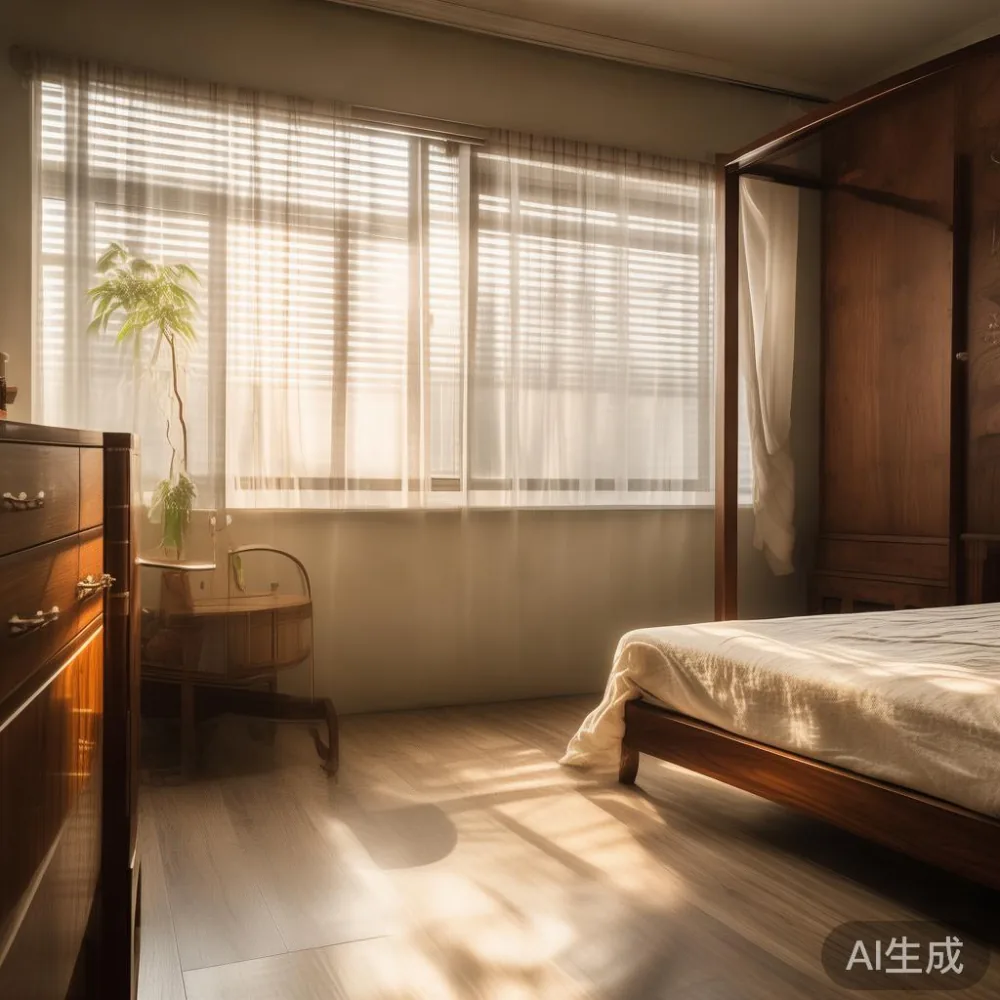
Why humidity is the single biggest enemy of solid wood furniture in Singapore
Solid wood is hygroscopic. The cells inside the timber absorb and release moisture until they reach equilibrium with the surrounding air. When humidity sits between 70% and 90%, which it does for at least eight months a year in Singapore, the wood swells. When the air drops into the low 60s under prolonged air-conditioning, it shrinks again. That cycle is what opens joints, cracks tabletops and makes a wooden drawer stick in July.
Numbers that matter to a Singaporean buyer:
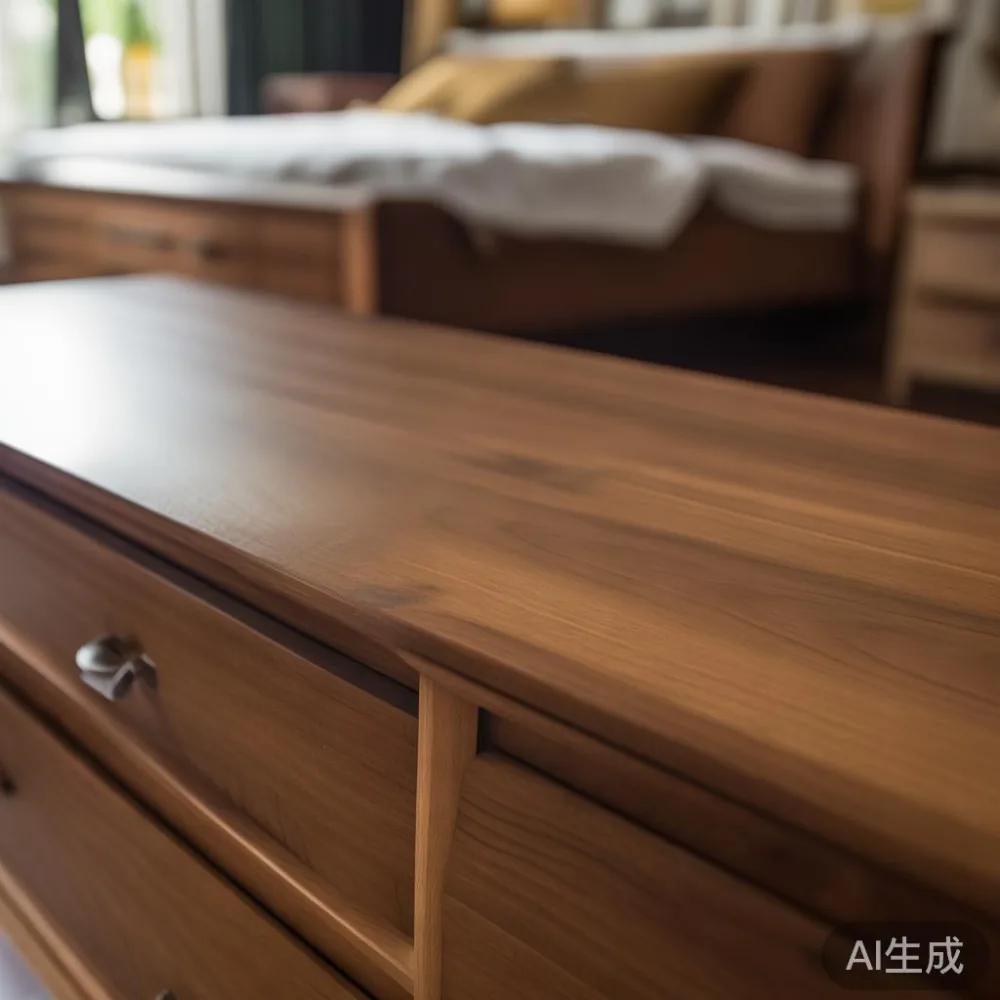
• Average outdoor relative humidity: 78–86% across the year (NEA climate readings). • Indoor humidity with air-conditioning running: often drops below 55%, then spikes back above 70% the moment the compressor cuts off. • Recommended indoor humidity for solid wood: 45–60%. • Tannins and natural oils in oak, ash and walnut respond fastest to change; teak and Burmese hardwoods respond slowest. • A 200 cm dining table can move 4–6 mm across its width through a single humid season if the timber is not properly kiln-dried.
The point is not to fear solid wood. The point is to pick the right construction, the right finish and the right room conditions, and to work with a maker who has actually shipped to the region. MIDHILL has been exporting from Foshan since 2008 to more than fifteen countries, and Singapore is one of the steady destinations where the brand has learned, the hard way, what a 5 cm gap behind a wardrobe actually does in a Punggol condo.
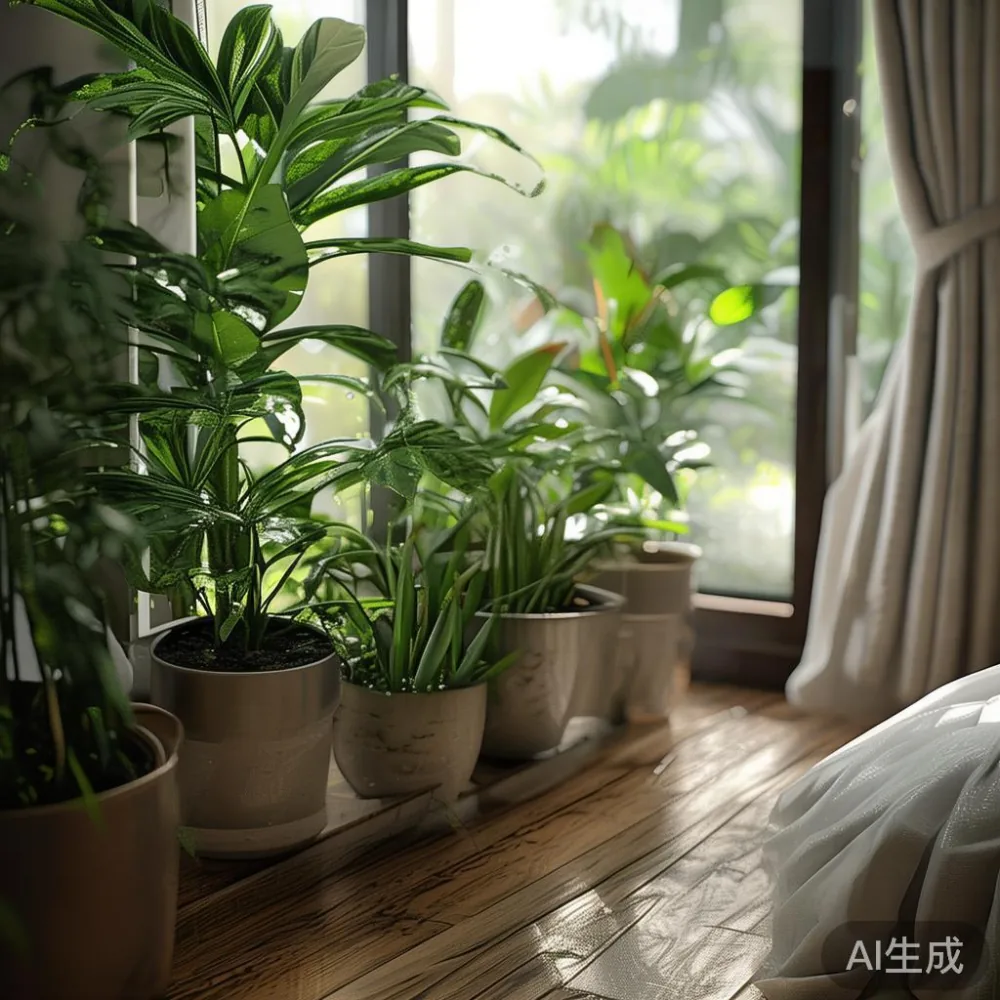
What is the difference between American furniture and modern furniture?
American furniture refers to a style rooted in 18th and 19th-century craft traditions, with turned legs, raised panels, ring-pulls and a heavier silhouette, while modern furniture is a 20th-century movement that strips ornament away, exposes structure and prefers clean horizontal lines, slim profiles and materials like brushed metal, glass and light-coloured solid wood such as ash or white oak.
In Singapore, this distinction matters because the two styles age differently in our humidity. An American-style bed frame with deep mouldings traps moisture against the wall and slowly marks the plaster. A modern light-luxury bed frame in American oak, with a slim headboard raised off the floor on tapered legs, lets air circulate and dries out after a humid night without staining the wall behind it. That is one reason post-modern light luxury collections, which borrow the proportions of modernism but use warmer walnut tones and softer edges, have become a quiet favourite in Bedok and Sengkang resale flats.
The construction details that decide whether your bed frame or wardrobe survives year one
Buying solid wood is not enough. Inside the box, four details decide whether your furniture will sit happily through five monsoon seasons or warp by Chinese New Year.
1. Kiln-dried timber, not air-dried. A serious maker will dry boards to 8–10% moisture content before machining. Air-dried timber can still hold 14% or more. In Singapore, that extra moisture has to go somewhere, and it usually leaves through a crack along a tabletop or a split at a mortise and tenon joint. 2. Floating panels inside cabinet doors and wardrobe sides. A floating panel sits in a groove that allows it to expand and contract. A glued-in panel does not. For a 180 cm wardrobe door, expect 3–4 mm of seasonal movement; the floating groove gives it somewhere to go. 3. Mortise and tenon or dowel joinery, not just staples and glue. The legs of a dining table take real load when someone leans on them. A mortise and tenon joint with a glued dowel can handle more than 80 kg of lateral force; a screwed leg block begins to loosen after the wood swells and shrinks three or four times. 4. A finish on all six sides. Unfinished undersides are common on cheaper pieces. The top looks fine, the bottom drinks in moisture, and the panel cups within a year.
When I inspected the friend's new dining table, the underside of the top was coated, the leaf mechanism had felt-lined runners, and the apron was dovetailed into the legs. That is the kind of build you can keep for ten years, which happens to be the structural warranty MIDHILL offers on its solid wood sofa frames, bed frames, dining tables and wardrobes.
Bedroom decor choices that quietly fight humidity in a HDB or condo
Bedroom decor in a tropical climate is half style, half moisture management. A few practical swaps change the room noticeably.
• Choose a raised bed frame on 18–22 cm legs. The air gap under the bed lets a dehumidifier work and stops the mattress from sitting against a damp skirting. • Keep a 5 cm gap behind a free-standing wardrobe so condensation on the wall does not wick into the back panel. • Avoid fabric headboards in bedrooms without a window AC. Foam absorbs moisture and slowly sags. • Use a nightstand with a sealed back, not an open-back shelf, in rooms where the wall faces the bathroom. • Add a marble table or marble-topped nightstand if you want a cool, low-porosity surface that does not swell; just seal the underside of the stone where it sits on wood. • Place a small digital hygrometer on the dresser. A SGD 25 unit is enough; anything above 65% means run the dry mode on the AC for an hour.
These are not expensive moves. A packet of felt pads, a SGD 60 dehumidifier box and a roll of 3 mm cork sheet to lift a wardrobe off a wet floor cost less than a single delivery surcharge. Speaking of delivery, MIDHILL offers free shipping on bedroom-decor orders over US$350 to Singapore addresses, which usually arrives within 18–25 days by sea freight with full insurance.
How humidity changes the way you should care for a solid wood sofa, dining table or nightstand
Once the furniture is in your flat, the maintenance schedule matters more than the brand on the label. The good news is that the routine is short.
Wipe a dining table with a damp (never wet) microfibre cloth once a week, then follow with a dry cloth. A 5 ml squirt of natural beeswax cream every two months keeps the grain fed; in Singapore, where the wood is constantly losing and gaining moisture, the wax slows the loss and keeps the surface from drying. Skip silicone sprays and orange oil polishes; they soften the factory finish and trap moisture underneath.
For a solid wood sofa frame, vacuum the underside twice a year. Lift the cushions and check that the webbing and springs have not collected mildew from the floor. A 12 cm leg lift on the sofa base keeps a dehumidifier's airflow working under it.
For nightstands, the most common Singapore problem is the drawer swelling against the face frame. A pass with a sanding block on the bottom edge of the drawer side, taking off 1 mm, restores the 2 mm running clearance and the drawer glides again. That is a five-minute fix and saves a service call.
For wardrobes, run a dehumidifier box sized for the room (around SGD 70 for a 15 sqm bedroom) and replace the tablet every 60 days. A wardrobe that holds 200 litres of volume benefits most from a steady 55% target rather than swinging between 45% and 75%.
What should Singapore buyers look for when choosing a maker that exports from China?
Five practical checks shorten a buying decision.
1. Ask for kiln-drying records. A maker who tracks moisture content will show you a sheet. A maker who cannot tell you the MC of their oak should not be selling you a 220 cm dining table. 2. Ask what the back of a wardrobe panel looks like. A finished back means the wardrobe can sit close to a wall without absorbing condensation. 3. Ask about the warranty and the after-care. A ten-year structural warranty and a lifetime refinishing service are signals the maker expects the piece to last. MIDHILL's lifetime refinishing offer, for example, lets a customer send a worn dining top back to the Foshan workshop for a fresh oil and wax treatment. 4. Check the lift and corridor measurements. A king-size bed frame in a flat-pack box can still be 230 cm long. A 0.9 m wide lift opening rules out fully assembled deliveries; a knock-down bed frame that assembles inside the bedroom is the smarter choice. 5. Understand the returns and the GST. A 14-day return window gives time to inspect for movement, finish flaws or hardware issues after the piece has sat in your flat for a week. The 9% GST on imported furniture is added at the checkout; ask whether the quoted price includes it so there is no surprise at the door.
One last habit that pays off: keep a small notebook with the date of delivery and the humidity reading that day. If the same wardrobe opens a gap in February of the third year, you have proof of how the room behaved and the maker has a record to work with.
Frequently asked questions from Singapore homeowners
Will a solid wood bed frame crack in a non-AC bedroom? It can, if the humidity stays above 75% for months. Keep a dehumidifier running, leave a 5 cm gap behind the headboard and choose a light-coloured American oak or ash, which shows movement more politely than dark stained MDF.
Is teak really worth the higher price in Singapore? Teak's natural oils resist moisture, so yes for bathroom-adjacent wardrobes. For a dining table that lives under AC, kiln-dried oak or walnut gives the same look at a lower SGD outlay.
What about an American bean bag korea-style low lounger for tropical living rooms? The low-slung profile suits a high-ceiling condo, and the breathable canvas covers handle humidity better than bonded leather, which peels within two years in our climate.
Does marble table furniture need sealing in Singapore? Yes. Even a sealed marble table top should be re-sealed every 18 months because the constant humidity softens the surface layer and opens micro-pores that stain easily.
How long does delivery take from Foshan to Singapore? Sea freight typically takes 18–25 days for a full container and 7–10 days for an LCL consolidated shipment, with the door-to-door leg inside Singapore adding another 2–3 days. A solid wood sofa or dining table packed flat in a 12 mm plywood crate usually clears Singapore customs inside 48 hours.
The pattern across all of these questions is the same. Humidity is not a reason to avoid solid wood. It is a reason to buy better-built solid wood, to keep a hygrometer on the nightstand, and to work with a maker who has shipped to Tampines, Bedok and Punggol long enough to know that a 5 cm gap behind a wardrobe and a 12 cm leg lift under a bed frame are not optional extras. They are the small details that decide whether your bedroom decor still looks the part ten Chinese New Years from now.