Humidity and Solid Wood Furniture in Southeast Asia
Humidity is one of the most practical considerations for anyone furnishing an HDB flat, a private condominium or a compact urban home in Singapore. Warm, moisture-laden air can cause solid wood furniture to absorb moisture, expand and contract, while repeated changes may loosen joints, affect finishes or encourage mould around the edges of a cabinet. The effect is not uniform across Singapore: a Tampines HDB flat near open windows may experience higher evening humidity than a Bedok unit with cross-ventilation, while a high-rise condominium in Punggol may encounter strong wind-driven rain and abrupt air-conditioning cycles.
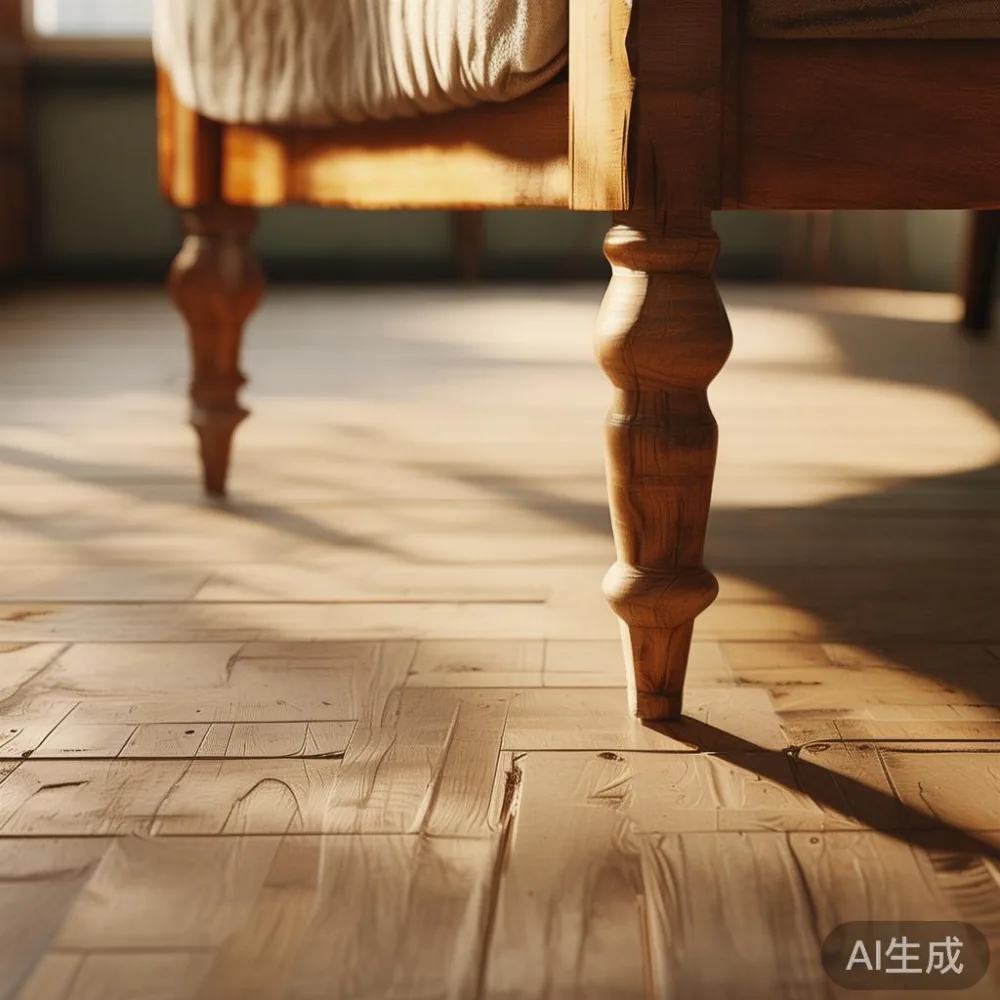
This guide explains how tropical humidity affects bedroom decor, how to choose solid wood furniture, and what measurements to check before delivery. It also considers the restricted access common in Singapore, including lift dimensions, corridor turns and the need to protect floors during delivery.
How does humidity affect solid wood furniture?
Solid wood is hygroscopic: it takes in moisture when the surrounding air is humid and releases it when the air becomes drier. In Singapore, relative humidity often rises during the monsoon periods and may sit around 70–85% in poorly ventilated rooms. A kitchen-adjacent laundry area can exceed 80%, whereas an air-conditioned bedroom may fall below 55% during the day and climb above 70% at night.
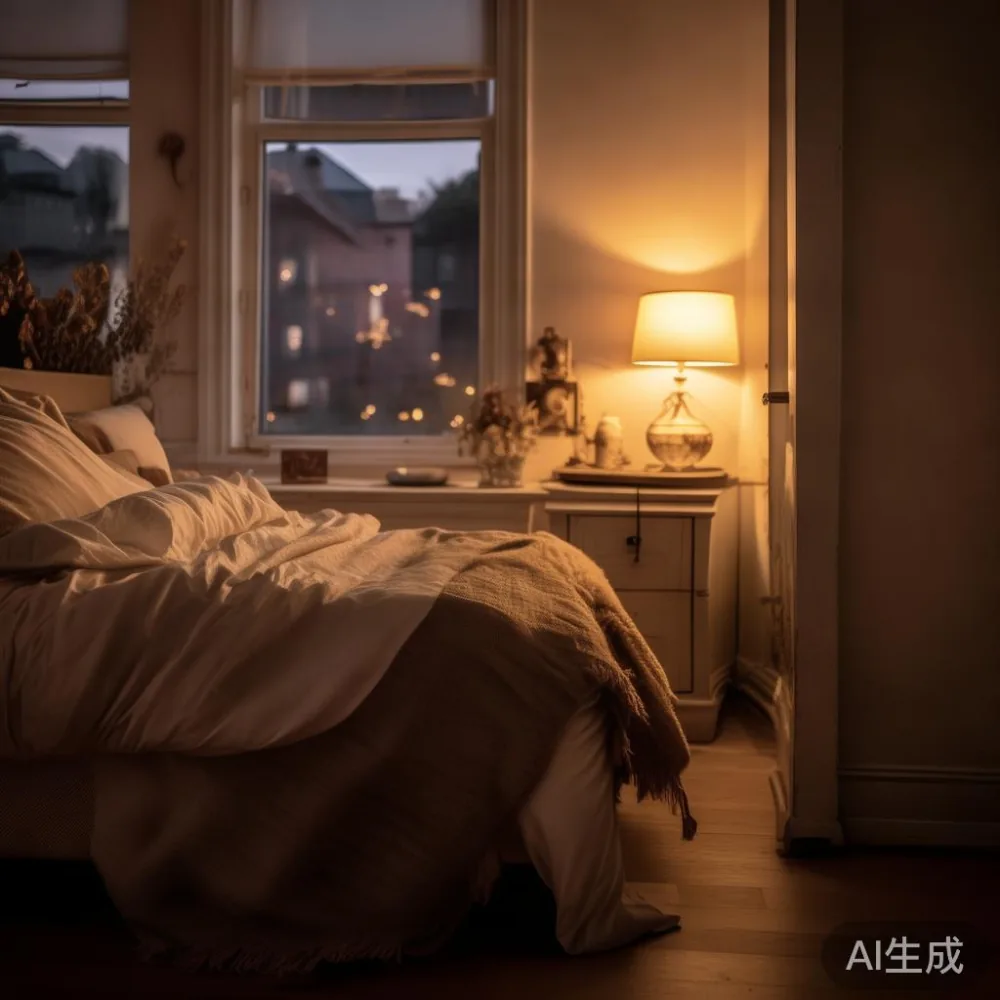
The visible result is not always dramatic warping. Fine movements of 1–3 mm across a door panel may be barely noticeable, but repeated movement can cause a wardrobe door to catch, a drawer to sit unevenly or a timber joint to weaken. Veneered furniture may behave differently from thick solid wood, while painted and lacquered surfaces can show small changes in sheen as the substrate expands. MDF, particleboard and plywood also respond to moisture, although their movement and swelling patterns differ.
Humidity alone is rarely the only factor. Direct sunlight, air-conditioning vents, leaking windows and furniture placed against a cold wall can produce larger swings than the seasonal average suggests. A bedroom that feels stable at 28°C and 65% relative humidity is generally easier for timber than one cycling rapidly between 22°C and 30°C.
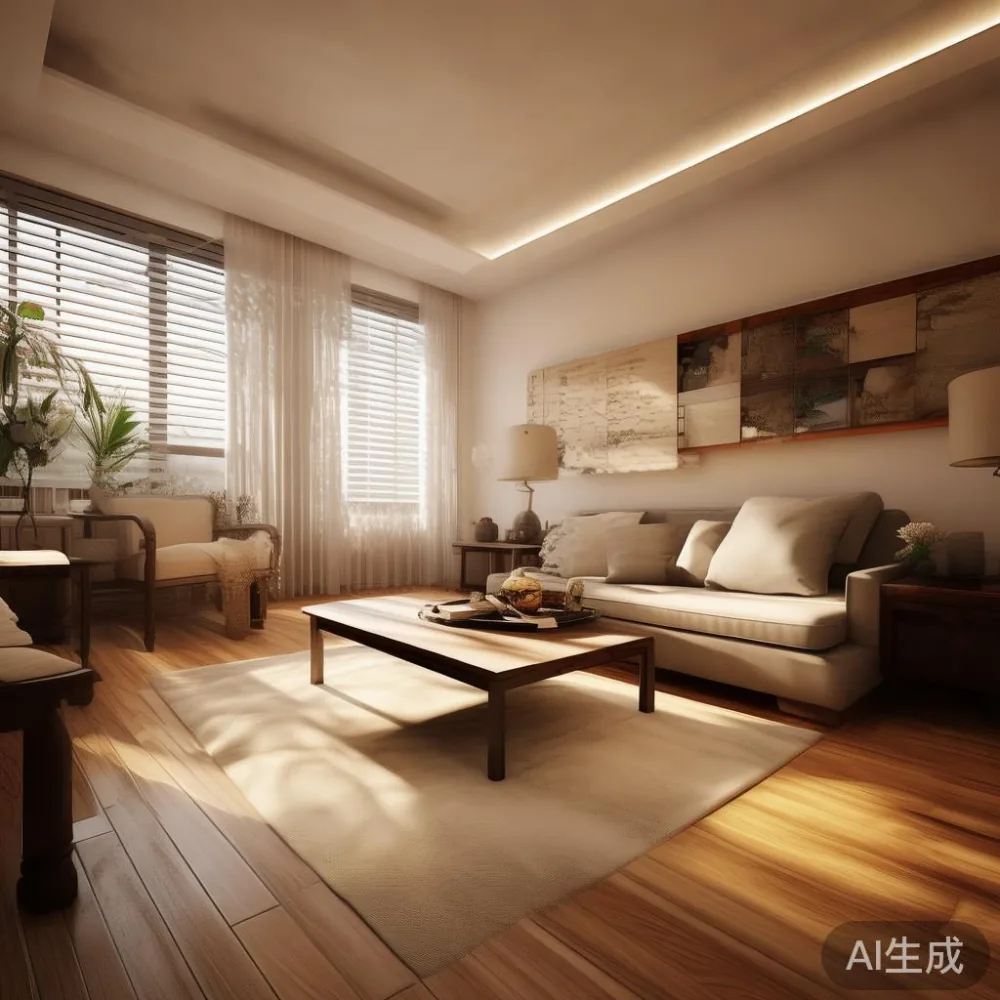
I tested a 45 cm-wide solid oak nightstand during a wet week last month in my own home. I recorded the drawer front with a digital gauge and checked the gap at its lower corner. The highest reading was 68%, and the lower gap shifted by about 1.5 mm. After moving the nightstand 20 cm away from an exterior wall and away from the air-conditioning outlet, the movement became harder to detect. The small shift was manageable, but the exercise showed why placement matters as much as the wood species.
What humidity level is comfortable for bedroom furniture?
A practical target is 45–65% relative humidity, with fewer than 5 percentage points of change over a 24-hour period. The ideal indoor temperature is approximately 24–28°C. These figures are not an absolute pass-or-fail rule, but they give Singapore households a measurable baseline for protecting wood.
Place a calibrated hygrometer near the wardrobe, bed frame or dining table rather than directly beside a window or bathroom door. Check it at 8 a.m., 3 p.m. and 10 p.m. for 7 days. If the display never exceeds 65%, continue normal use. If it repeatedly reads above 70%, consider improving ventilation, relocating moisture-producing appliances and checking exterior seals. Persistent condensation on glass indicates a more serious window or wall issue and should be addressed before furniture is installed.
Do not aim to make a bedroom artificially dry. Wood needs some atmospheric moisture, and an environment maintained below 40% can lead to shrinkage and stress cracks. Air-conditioning should be used for comfort rather than as a moisture-control system on its own. A 35–45% dehumidifier may help a consistently damp room, provided its water tank has enough capacity for unattended operation.
Which solid wood pieces are most suitable for humid bedrooms?
Wood species differ in dimensional stability, but construction, finish and placement can matter more than a marketing label. Dense hardwoods such as teak, oak and ash can perform well when properly sealed and cared for. Pine and softer hardwoods may show clearer surface marks and movement. The panels should be solid timber rather than thin decorative skins, and the manufacturer should be able to explain the joinery, coating and warranty.
For a Singapore bedroom, choose a bed frame with a supportive slat system at intervals no more than 8–10 cm, unless the mattress manufacturer specifies otherwise. Allow at least 5 cm behind the headboard for wall care and airflow. A wardrobe should stand on adjustable levelers or a moisture-resistant plinth, and its back should not be pressed tightly into a wet exterior wall. Leave 3–5 cm of clearance at the sides where practical.
A dining table needs a stable base and an appropriate top thickness: roughly 2.5–4 cm for many solid wood dining tables, depending on the design and span. Coordinate the table with chairs so knees have at least 58–62 cm of clearance below the apron. This is more a comfort issue than a humidity issue, but stable dining furniture reduces repeated movement at the floor.
French light luxury works well in a humid bedroom because restrained shapes conceal minor seasonal movement better than aggressively carved details. Mid-century modern for bedroom layouts is also practical where legs are lifted from the floor and storage is visually light. Post-modern for dining room schemes can work with clean geometric dining tables, but sharp projecting details require more careful alignment during assembly.
Can a solid wood sofa be used in Singapore’s humidity?
Yes, provided the frame, finish and upholstery are suitable for an indoor tropical environment. A solid wood sofa frame should use well-seasoned timber, sound corner joints and a finish applied on all relevant faces. Avoid placing a sofa directly against an air-conditioning vent or beside a frequently opened bathroom door. Maintain about 10–15 cm from the wall if space allows, especially in a room that remains above 70% humidity.
Upholstery needs a breathable, removable cover that can be washed according to its care label. Cushions should not be pressed into a tightly enclosed frame, as trapped moisture can create an unpleasant smell. For a small HDB living-and-dining area, a 180–210 cm three-seat sofa may be more manageable than a sectional over 260 cm, but access routes and lift capacity must be checked before purchase.
Buyers often ask: is Japanese sofa worth it in Singapore? The answer depends on frame quality, dimensions and fabric care rather than the style label. A Japanese-style low sofa may have a compact 85–95 cm seat height and a 200–230 cm length, so it should be tested against the intended room and HDB doorway. A low frame can also support the appearance of post-modern or French light luxury decor without overwhelming a compact bedroom.
Another common search is for the best Boho sofa for 2026, but “best” should mean suitable for the room, not merely fashionable. Loose covers, light colours and washable fabrics can suit humid homes, yet an unventilated cushion or a low-quality frame remains a concern. Request the frame dimensions, cover instructions, cushion composition and any timber moisture-content specifications before ordering.
How should Singapore homeowners prevent moisture damage?
Start by locating potential moisture sources. Check window seals, bathroom grilles, laundry areas and air-conditioning drain pipes. Wipe condensation from frames at least twice a week during wet periods, and keep textiles at least 30 cm from a source of dampness. Avoid rugs or mats that trap moisture beneath a wardrobe or nightstand.
Use coasters under water vessels, including a ceramic vase on a dining table or marble table. Wipe spills within 10 minutes rather than letting water sit overnight. Clean solid wood with a lightly damp cloth and dry it immediately; excessive water can cause pale rings or swollen grain. Do not use steam cleaners, bleach or abrasive pads on lacquered furniture.
Conditioning oil can help maintain a finished surface, but follow the product instructions and test a 10 cm square on an inconspicuous area first. Apply a thin coat every 12–24 months only when the manufacturer recommends it. Silicone-based polish may reduce surface water pickup, although it is not a substitute for correct humidity control.
For a new wardrobe, allow the furniture to acclimatise in its intended room for 24–72 hours before loading it heavily. Remove cardboard and protective wrapping, inspect for moisture and keep panels slightly ventilated. If the item arrives with protective film, leave it off where possible because trapped film can retain moisture against the finish.
How do you prepare an HDB flat or condominium for furniture delivery?
Measure before ordering, not after. Record the HDB or condo door width, the lift car width and depth, the lift-door opening, corridor width and any 90-degree turns. A dining table top of 180 × 90 cm may fit through a lift diagonally, but a 220 cm top may need to be carried around the building or assembled inside the home. Ask the supplier whether the dining table can be separated into sections of no more than 80–100 cm.
For example, a corridor 110 cm wide with a tight right-angle turn may require the wardrobe to be delivered in two parts. Check that the assembled wardrobe is no more than 220–240 cm high where the ceiling is 260 cm, because wardrobes are often assembled upright. A bed frame is usually easier to transport than a large wardrobe, but boxed components can still be heavier than expected; one solid wood bed frame may weigh 60–100 kg.
Protect the route with floor coverings and confirm whether the building requires a delivery booking, vehicle permit or loading-bay fee. Working lifts may be reserved for a 30- or 60-minute slot. Ensure an adult is present to direct the delivery crew and remove shoes or use protective shoe covers.
Singapore buyers should also compare landed costs carefully. Prices shown in SGD$ may exclude GST, lift booking and assembly. MIDHILL lists product prices for Singapore customers, and the final checkout should show all applicable charges. Spending above S$350 qualifies for free shipping under the stated delivery offer, but the threshold should not be confused with guaranteed free carrying upstairs.
What should a wood furniture warranty cover?
A meaningful warranty should distinguish structural defects from normal seasonal movement and moisture-related damage caused by misuse or uncontrolled indoor conditions. Ask for the exact period, covered components and claim procedure. MIDHILL was established in 2008 and offers a 10-year structural warranty, which gives buyers a measurable point of reference when comparing terms.
Check whether the warranty covers the bed frame, dining table, wardrobe and nightstand against defects in joinery and structural components. Confirm whether scratches, finish failure, mould, cracks and movement are treated differently. A lifetime refinishing service may also have eligibility rules, so request them in writing rather than assuming every mark can be restored.
For buyers comparing finishes, the search for the best French provincial wardrobe for 2026 should lead to useful questions about timber, door movement and finish care. French provincial styling often includes framed panels and decorative handles; these details should not conceal weak construction. A fitted wardrobe should have a plinth, soft-close hinges and doors checked after the room has reached normal humidity.
Measure the bedroom before selecting dimensions. A typical master bedroom in an HDB flat may need a 150 × 200 cm bed frame, with 60 cm of clearance on both sides and 90–120 cm at the foot where possible. A nightstand 40–50 cm wide provides a practical surface. Wardrobes often range from 180–240 cm wide and 210–240 cm tall, but the available wall length and delivery route determine the sensible configuration.
How do you style French provincial beds without making a humid room feel heavy?
A light French provincial bed in bedroom can combine pale timber, upholstered details and restrained bedding. Keep the frame no wider than the mattress by more than about 8–12 cm on each side. Use breathable cotton or linen bedding, and avoid piling textiles tightly against the headboard where moisture can linger.
A balanced palette of warm white, muted green, dusty blue or soft beige can suit East Asian bedroom decor. Pair the bed with a narrow nightstand, one wall light and a simple rug rather than numerous heavy objects. Check that an upholstered headboard does not touch damp plaster and that its timber base is raised slightly from the floor.
For shoppers researching Mid-century modern for bedroom arrangements, focus on tapered legs, clean lines and compact storage. A slim bed frame with a 25–30 cm platform height can make a 90–120 cm room feel more open. Avoid placing a tall wardrobe immediately beside the bed if a 60 cm passage would be reduced below comfortable circulation space.
Finally, consider the daylight pattern. East-facing windows in Bedok may receive strong morning sun, while west-facing rooms in Tampines can become warm in the afternoon. Use curtains with a light-filtering lining, but do not seal the room completely. Good bedroom decor includes moisture management, measured spacing and furniture that can be maintained without trapping humidity against its surfaces.