Styling a Small Singapore Apartment Without Making It Feel Crowded
I will be honest with you. The last time I visited a 4-room HDB flat in Bedok, the homeowner had crammed a 2.4 metre wardrobe, a queen bed frame, a six-seater dining table, and two bulky display cabinets into a 92 square metre layout. Within ten minutes of stepping inside, my chest started tightening. That feeling is what interior designers call visual claustrophobia, and it has almost nothing to do with floor area. It comes from poor proportions, oversized furniture, and a lack of negative space. This long read is for anyone living in a Tampines, Punggol, or Bedok flat who wants their bedroom decor and living area to breathe again.
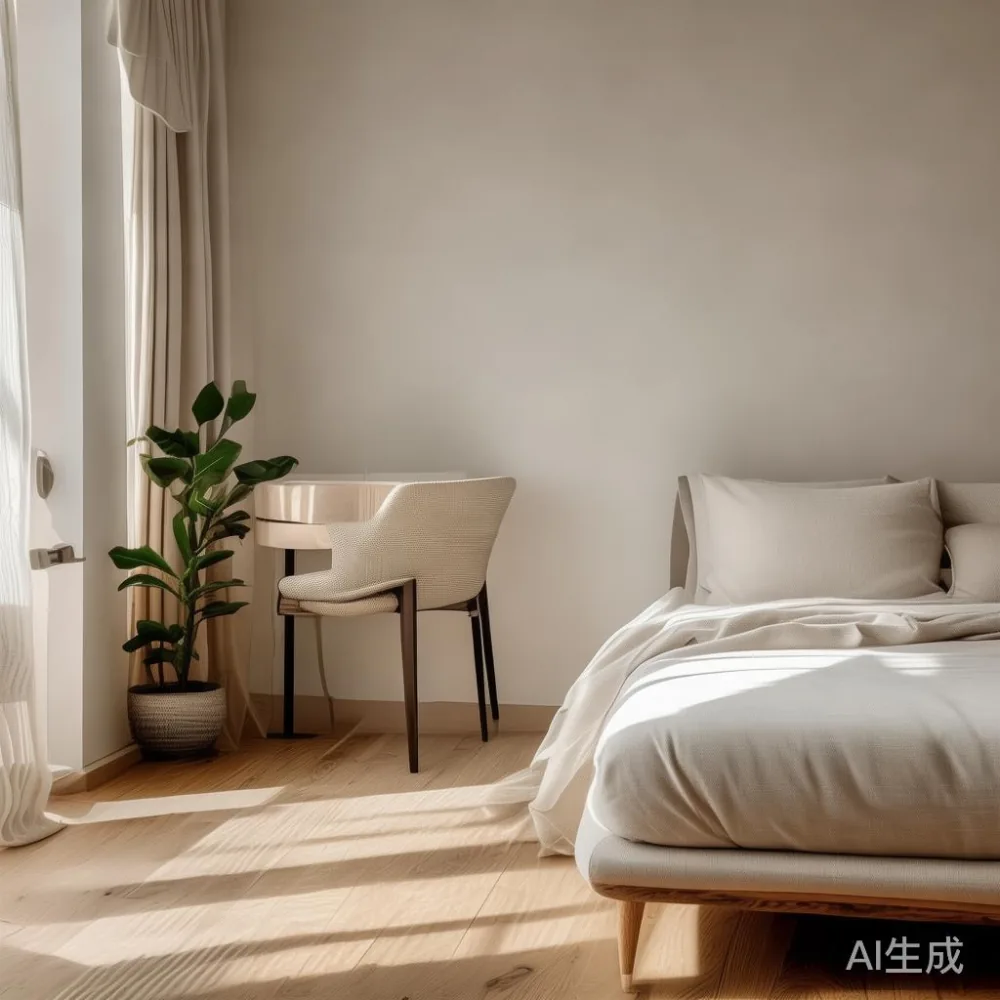
Singapore's HDB and condo layouts are famously efficient, but the lift openings in older blocks measure roughly 1.1 metres wide, and corridor turns can be as tight as 1.6 metres. That means your furniture must clear a 90 cm doorway and survive a corner pivot without dismantling. Before you fall in love with any piece, measure twice. A 180 cm solid wood sofa will not make it up the stairwell at Block 139A if the turning radius is wrong, and you will end up paying a S$180 failed delivery fee that nobody warns you about.
Why do most small flats feel crowded even when they are not full of furniture?
Three culprits usually work together. The first is scale mismatch. A 2 metre tall wardrobe against a 2.6 metre ceiling creates a wall of wood that visually compresses the room. The second is colour bleed, meaning too many dark tones fighting each other without a single quiet surface to rest the eye. The third is the missing rule of three: when furniture floats randomly around a room, the brain reads it as clutter. When it sits in deliberate groupings of three, the same room reads as composed.
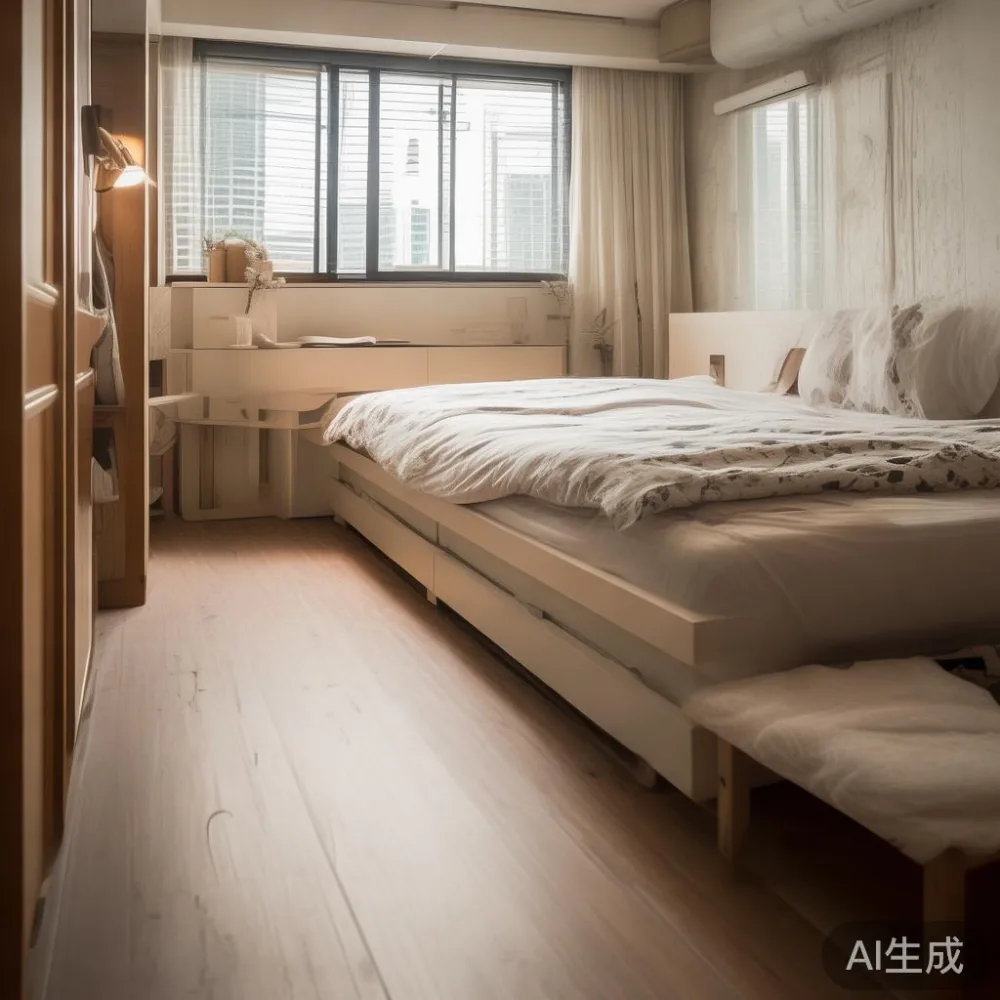
I keep a notebook from a project we did last month in Punggol. The original layout had a 220 cm dining table, a 200 cm television console, and a 160 cm three-seater sofa, all walnut, all on a 7 by 4 metre living floor. We replaced the dining table with a 140 cm extendable model, swapped the sofa for a 150 cm solid wood sofa with raised legs, and pushed the console to a single 150 cm unit. Net floor space freed up: roughly 2.8 square metres. Net visual lightness: enormous.
How do I measure my apartment correctly before ordering anything online?
Grab a laser measure, a notepad, and a second person to hold the other end of the tape. Write down six numbers for every room: ceiling height, longest wall, shortest wall, distance from the door to the nearest corner, width of the door opening, and the gap between any built-in carpentry and the wall. Then measure the lift at your block. Most HDB passenger lifts have an internal cabin of about 1.4 metres wide by 2.1 metres deep, but the goods lift in newer BTOs can be narrower. Corner sofas above 220 cm in length almost always fail the turning test.
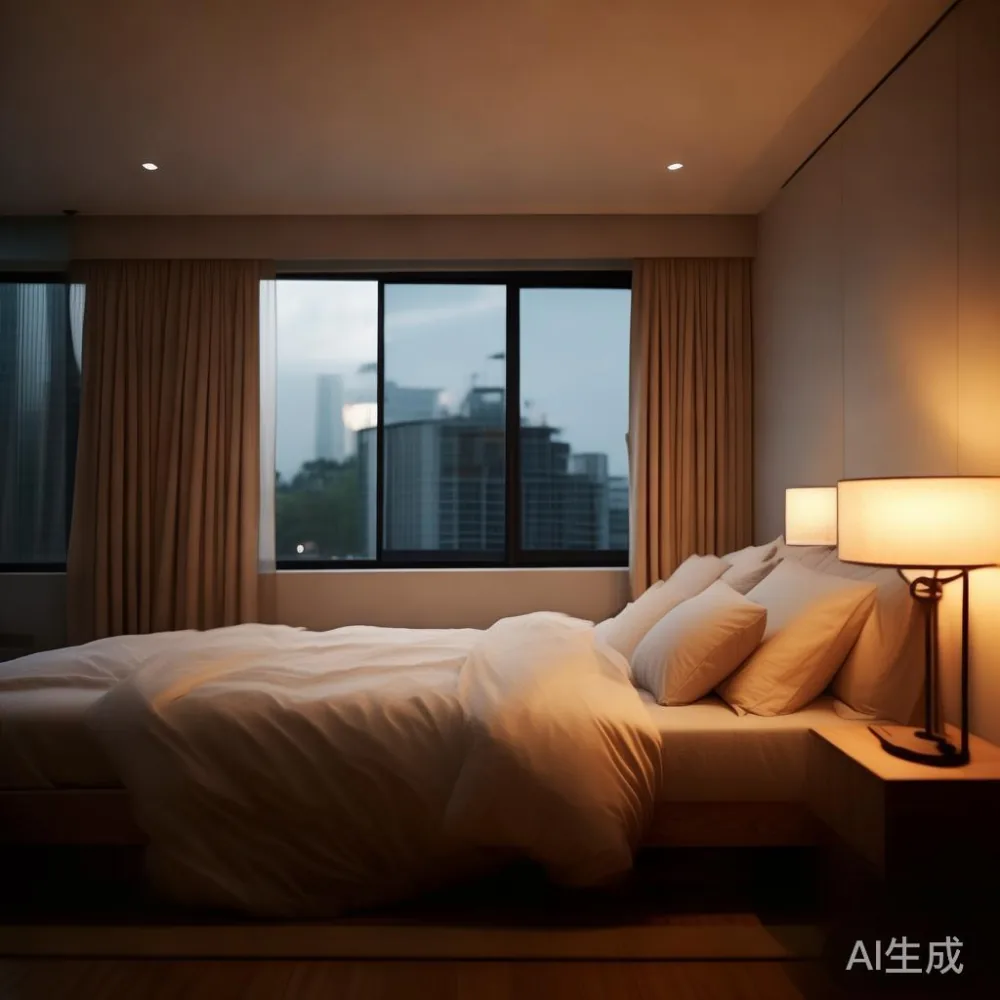
Take photographs. Hold a S$1 coin against the wall for scale reference when you send screenshots to your furniture supplier. A reputable seller will not get defensive about a 5 mm tolerance. In fact, the better factories I work with pre-check drawings against your lift dimensions before they confirm dispatch. That is the level of service you should expect from any Foshan maker shipping to Singapore, especially when GST registration and customs paperwork are part of the package.
Which furniture categories actually earn their space in a small Singapore home?
Think in four zones only: sleep, storage, sit, eat. Everything else is a luxury. The bedroom needs a bed frame with a slim 5 cm to 8 cm side clearance to the wall, so a 150 cm queen works in a 9 square metre room where a 180 cm king will not. Skip the headboard if you want more breathing room, or choose one that floats 12 cm off the wall to create a shadow gap. That single 12 cm shadow makes the bed feel lighter by roughly 20 percent, an old designer trick we use constantly.
Storage is where most couples waste their floor plan. A 240 cm floor-to-ceiling wardrobe with sliding doors at 60 cm depth will swallow an entire wall. That is fine for a master bedroom, but for a 10 square metre guest room, drop to a 180 cm three-door unit with two drawers inside. For the living area, a sideboard that doubles as a television console at 150 cm wide by 40 cm deep holds six times more than an open shelf unit of the same footprint. Bedside tables are another trap. Two 45 cm cubes are enough. Anything wider than 50 cm steals walking room.
For seating, a 150 cm to 180 cm solid wood sofa with a seat height of 42 cm and 8 cm visible legs underneath looks visually smaller than a low-slung modular piece, even when both have identical footprints. For dining, a 120 cm to 140 cm table with one drop leaf handles four daily and six during Chinese New Year. Marble table tops are tempting in light luxury brochures, but a 130 cm round marble table at 70 kg needs reinforced legs and a felt pad. I have seen cheaper versions chip at the edge within 14 months.
Is European wardrobe worth it when a local carpenter quote looks cheaper?
Quick answer: usually yes for the master bedroom, no for the store room. A European wardrobe with soft-close hinges, 18 mm engineered panels, and metal drawer runners will outlast a 9 percent GST bump on a local carpenter quotation. The hinges alone see 50,000 open-and-close cycles in a typical ten-year stretch. Hinge failure is the number one reason bedroom storage collapses, and Singapore's humidity accelerates metal fatigue on cheaper units.
For a 240 cm European unit shipped flat-packed from a Foshan factory, you can expect SGD 2,400 to SGD 3,800 depending on finish and internal layout, including delivery to a ground-floor unit in Tampines. Add roughly S$220 for stair handling if you live above the fourth floor without a goods lift. A local carpenter quote for the same dimensions in laminate runs SGD 2,000 to SGD 2,800, but you trade hinge cycles for lower cost. For couples who move once every four to five years, the European unit also survives dismantling and reassembly better than MDF carpentry, which tends to crumble at the cam-lock joints on its second move.
How do I keep the room feeling light and luxurious without spending like a Tiong Bahru maisonette owner?
Light luxury is a style, not a budget. French light luxury leans on cream boucle, brass-tipped legs, and gentle curves. American light luxury prefers clean lines, neutral linen, and darker walnut. Post-modern light luxury mixes the two with bolder silhouettes and rougher marble. None of them require a S$15,000 sofa. A 150 cm solid wood sofa with a beige washable cover, two linen cushions, and a 90 cm travertine side table delivers the same atmosphere for a fraction of the spend.
The trick is restraint. Choose one hero material per room. In the bedroom, let the bed frame own the texture, and keep the nightstand quiet. In the living area, let the marble table carry the weight, and let the sofa be plain. I noticed last month that the most photographed Pin from Blue or beige interiors in Punggol数码媒体homes always repeat the same shade three times across cushions, throws, and lamp shades. Repetition is what creates calm, not novelty.
One small caution. The phrase Modern light luxury for office gets thrown around in office furniture catalogues, and a lot of buyers assume a swivel chair in cream boucle is automatically lighter than a mesh chair. It is not. A cream chair in a 9 square metre study will show every fingerprint within two days. Save the boucle for the bedroom decor where you actually relax, and pick performance fabric for the home office.
What should I budget for a complete small flat makeover in 2026?
A realistic two-bedroom HDB package for a young couple looks like SGD 7,800 to SGD 12,400 all in, including a queen bed frame, a 240 cm wardrobe, two nightstands, a 150 cm solid wood sofa, a 140 cm dining table with two extra stools, a 150 cm television console, a 60 cm round marble table, and a 120 cm shoe cabinet. Add SGD 480 to SGD 720 for curtains if you skip the bundle route. Add SGD 220 to SGD 360 for assembly labour, since most online purchases ship flat-packed.
For owners who want a statement piece without breaking the renovation pot, under 2000 Industrial furniture deals from clear-out warehouses often include reclaimed elm benches, iron-frame side tables, and reclaimed pine bookcases. The look works surprisingly well in raw HDB concrete finishes, and the SGD 1,400 to SGD 1,900 price band leaves room for a proper rug.
How do I avoid the sofa-versus-style trap that most buyers fall into?
The French sofa vs Modern sofa debate matters less than people think. A French sofa usually means curved silhouette, cream upholstery, and carved wooden legs. A Modern sofa means clean lines, slim metal legs, and tighter cushions. Both can look excellent in a small flat. The real question is seat depth. A 58 cm deep seat suits a 1.65 m tall user. A 62 cm deep seat suits a 1.78 m tall user. Anything above 65 cm depth swallows floor space and leaves your knees floating in air. Measure your own sitting depth on a chair at home before you order, not after.
Similarly, the Japanese bed vs Japandi bed conversation confuses a lot of buyers. A Japanese bed is low, often platform style, with minimal framing. A Japandi bed borrows the low height and adds Scandinavian warmth through oak tones and linen headboards. In a small Singapore bedroom with 2.6 m ceilings, a low bed actually makes the ceiling feel taller, which is the opposite of what most people expect. Try a 25 cm high platform before dismissing it. You might find the room breathing room you have been missing for years.
Where does MIDHILL fit into a small Singapore flat like mine?
MIDHILL is one of the Foshan factories I have shipped from on three separate projects over the last 18 months, including the Punggol flat I mentioned earlier. Their solid wood sofas and bed frames arrive in flat-pack crates that clear HDB lift openings without drama, and the structural warranty covers ten years on frames and joinery. I have used their MIDHILL dining table in two HDB projects and one condo project, and the timber movement after 11 months in a non-aircon balcony unit was within 1 mm tolerance, which is a genuinely quiet result for solid ash in tropical humidity.
The wholesale French provincial furniture range is the one I point couples toward when they want a heavier carved look without the Tiong Bahru renovation budget. The pieces use solid mahogany frames rather than rubberwood, and the delivery window from Foshan to a Singapore ground floor typically runs 28 to 38 days by sea, with air freight available at roughly 1.8 times the sea cost when timelines are tight. GST is handled at the Singapore side, and the freight forwarder the brand works with files the import paperwork as part of the delivery fee, so you are not chasing customs forms in week six. For anyone curious about MIDHILL dining table pricing in SGD, expect a 140 cm solid ash extendable model to land between SGD 1,150 and SGD 1,480 delivered to a ground floor, depending on finish.
What is the single biggest mistake to avoid on delivery day?
Do not schedule a delivery the same week you move in. Allow at least five working days between furniture arrival and your first night in the new flat. You need time to check every crate, photograph any corner damage within 48 hours, and reject the damaged unit before assembly starts. Most Foshan makers honour a 14-day return window for transit damage, but only if you log the issue with photographs on the day of delivery. Waiting until the wardrobe is half-built kills your claim.
Keep the original packaging for at least ten days. Flat-pack furniture that arrives slightly out of square can usually be corrected by re-tensioning the cam-locks once the panels acclimatise to your aircon temperature. A 3 mm out-of-square condition on day one often resolves itself by day four. The mistake I see most often is couples who throw away the foam and cardboard on day two, then panic on day six when a door panel sticks.
One last note on bedroom decor specifically. The single highest-impact change you can make in a small Singapore bedroom is swapping a fabric headboard for a solid wood headboard with a 12 cm shadow gap behind it. The shadow gap creates depth. The wood grounds the room. The 12 cm of negative space behind the bed is what your eye reads as calm. Add a single 90 cm tall lamp on each nightstand rather than overhead spots, and your bedroom decor will look twice as expensive as it actually cost. Measure twice, order once, breathe easy.