Solid Wood vs Veneer Bedroom Decor: A Real 5-Year Cost Comparison for Singapore HDB and Condo Owners
Last month I visited a friend's new 4-room HDB flat in Punggol. She had just moved in with a baby on the way, and her entire bedroom — bed frame, wardrobe, two nightstands, and a small dresser — was peeling at the edges after only 14 months. The supplier had disappeared. The total spend, including two replacement chests of drawers from a Jurong East warehouse clearance, came to S$3,180. She came to me asking whether I should have just bought solid wood from the start, or if the cheaper option could have lasted. That conversation is the reason this article exists.
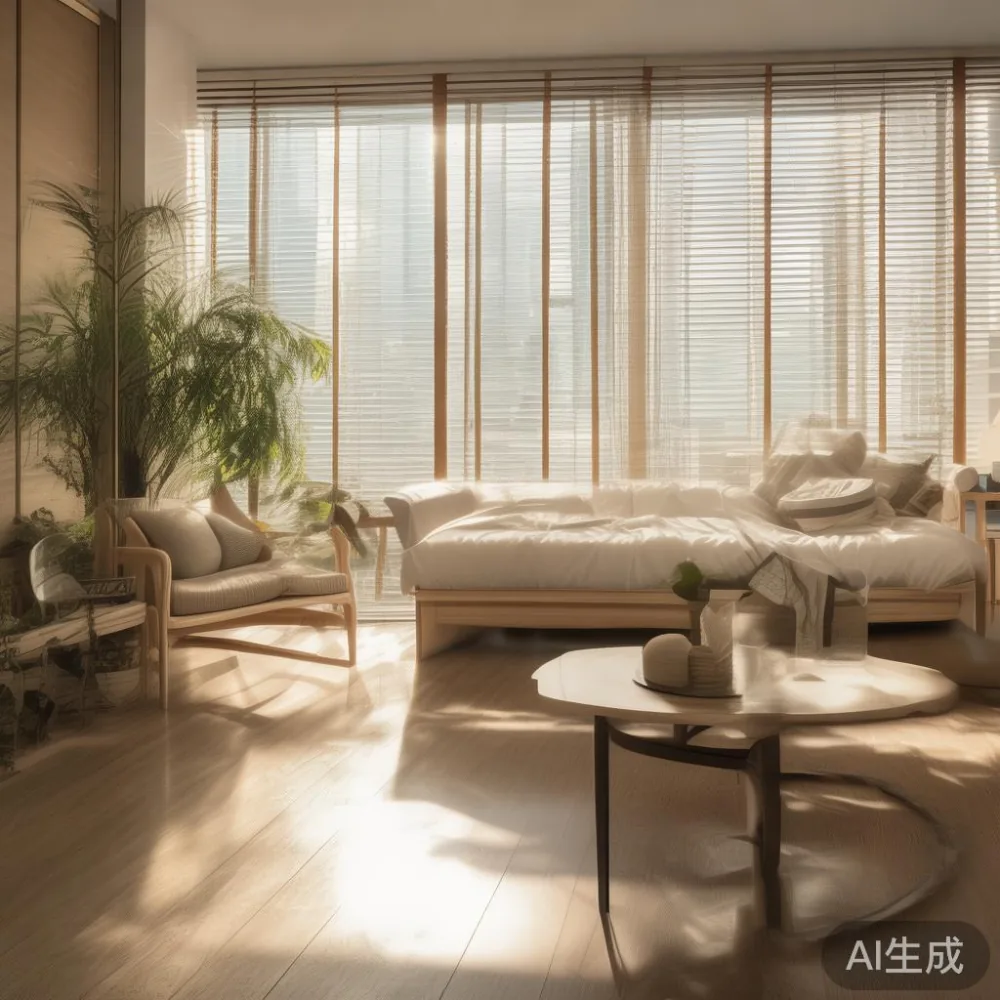
If you furnish a bedroom in a Tampines, Bedok, or Punggol flat — or a compact condo in Punggol Waterway or Marine Parade — the choice between solid wood and veneer furniture is one of the most expensive decisions you will make for the next five to ten years. The sticker price difference looks small. The five-year difference can be four figures. Below is a side-by-side I have put together using Singapore retail prices, delivery realities in HDB corridors, and the local climate factors most online comparisons ignore.
What does a typical HDB or condo bedroom actually need in 2025?
For a standard Singapore master bedroom in a 4-room or 5-room HDB flat, you are looking at a queen bed frame (152 cm × 188 cm mattress), a built-in or free-standing wardrobe roughly 180 cm tall and 150–200 cm wide, two nightstands (45–55 cm square), and — if space allows — a bench seat or a low dresser. Add a mirror, and the room is complete. Most new BTOs in Punggol and Sengkang hand you a 3.9 m × 3.2 m bedroom, which tightens every dimension. Corridors in HDB blocks are 1.2 m to 1.4 m wide, and lifts are typically 1.1 m × 1.4 m with a 2.4 m depth — so a fully assembled solid wood bed frame over 200 cm long almost always has to come flat-pack.
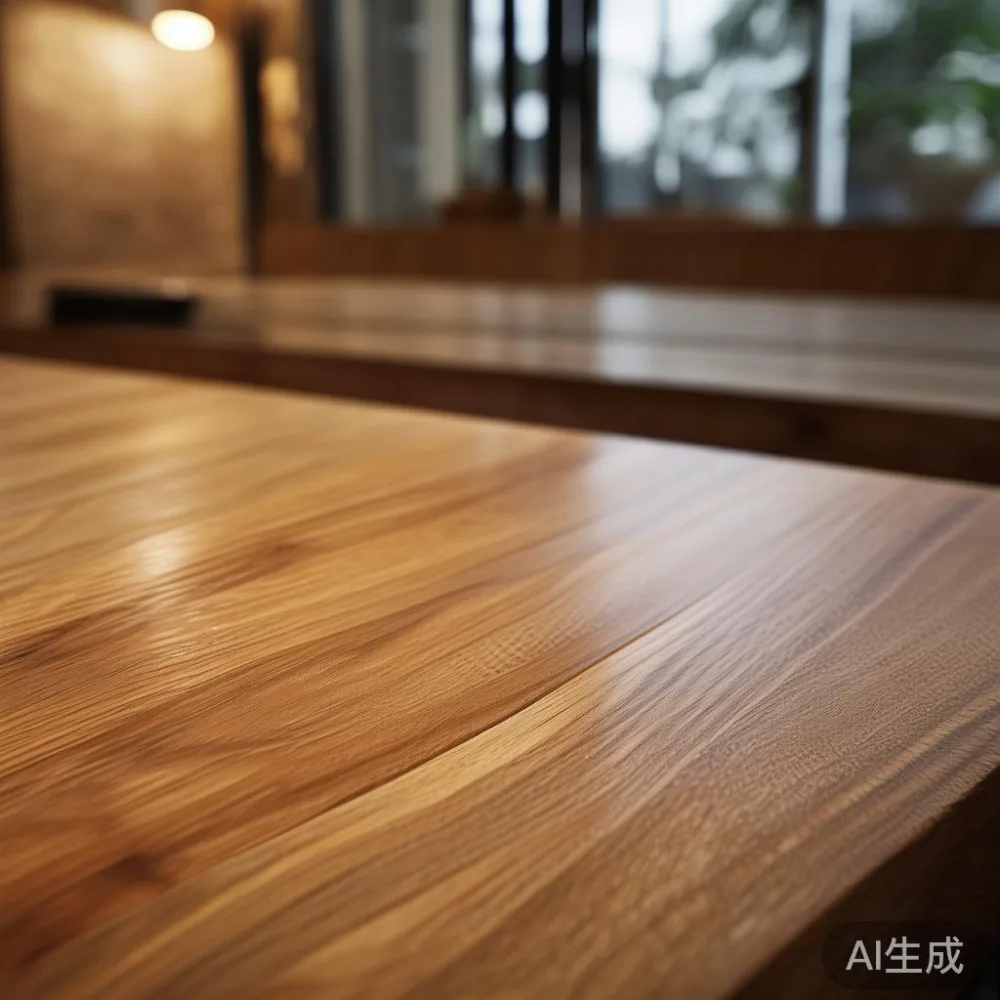
Buyers in this segment spend most weeks tend to browse three product categories: the bed frame, the wardrobe, and the nightstand. A full set in veneer particleboard in Singapore retails for roughly S$1,200–S$1,800 from mass-market chains like Castlery, HipVan, or Taobao agents. The same set in solid rubberwood or ash runs S$2,800–S$4,200 from specialists such as MIDHILL or Scanteak. The price gap on day one is about S$1,600–S$2,400. The five-year cost gap, as you will see, is a different story.
What is the difference between American country loveseat and modern furniture?
The difference between American country loveseat and modern furniture is that American country loveseats are built around exposed solid wood frames, distressed finishes, and hand-planed joinery designed to look like furniture your grandfather made — heavier, warmer, and meant to be repaired rather than replaced, while modern furniture relies on flat-panel laminates, engineered cores, and a sleeker silhouette intended for a shorter product life cycle.
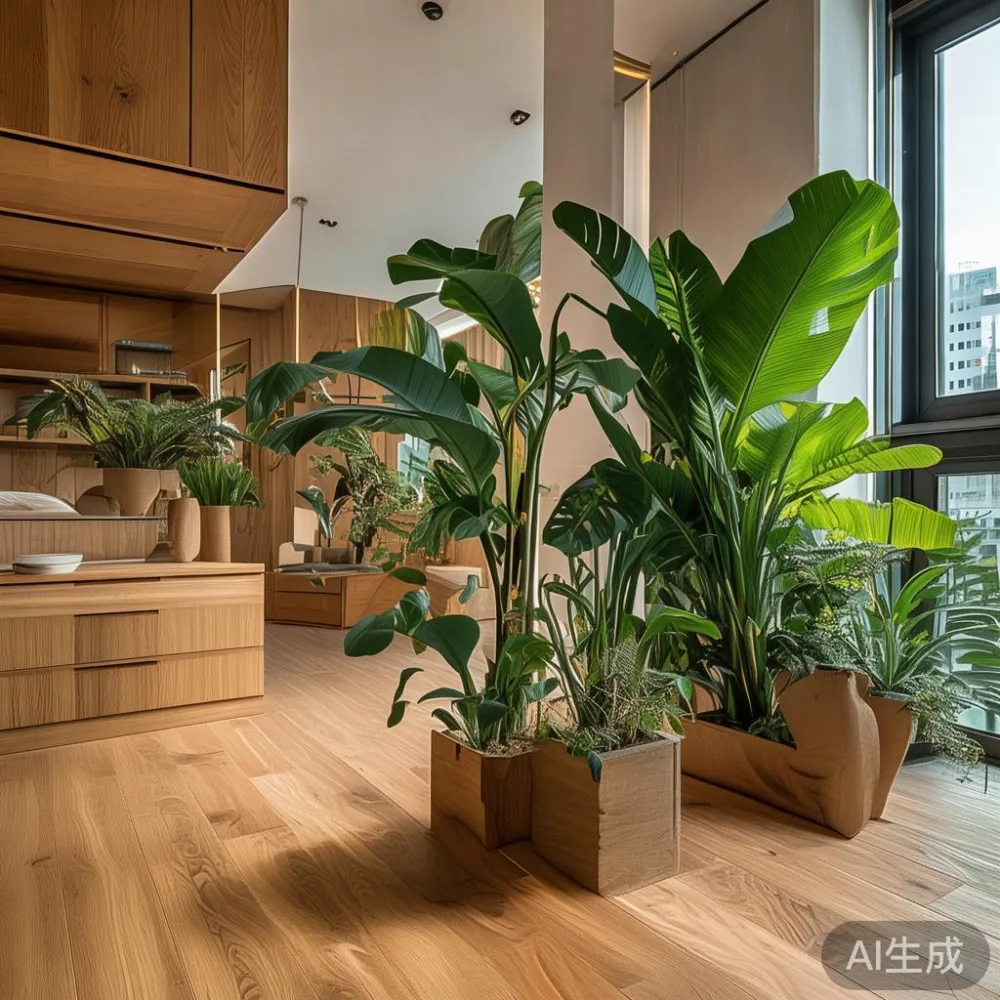
Why does this matter for a Singapore bedroom? Because the design philosophy is also a marker of the construction philosophy. A piece of furniture built in the American country or French light luxury tradition is constructed the way a cabinetmaker would have built a wardrobe in 1965 — kiln-dried timber, mortise and tenon, dowels, dovetail joints, no shortcut cores. A piece in the post-modern light luxury category (clean lines, light oak, brushed brass details) is often still solid ash or rubberwood on the visible faces, but may use engineered panels on the back and shelves for stability. Pure modern flat-pack is usually 12–18 mm MDF or particleboard wrapped in 0.6–1.2 mm paper or PVC veneer, with cam-lock assembly and no repair path.
What does each option cost over five years in SGD?
Below is the comparison my colleague and I built using real 2025 prices from three Singapore retailers (one Taobao aggregator, one mid-range chain, one solid wood specialist), plus the realistic replacement and disposal costs for a Punggol BTO owner. All prices in SGD, GST included at 9%.
Year 0 purchase, full bedroom set (bed frame + wardrobe + 2 nightstands + bench):
— Veneer / particleboard set: S$1,450 (bed S$420, wardrobe S$680, two nightstands S$240, bench S$110). Delivery S$40, disposal of packaging negligible.
— Solid wood set (rubberwood or ash, French light luxury finish): S$3,400 (bed S$1,050, wardrobe S$1,550, two nightstands S$480, bench S$320). Delivery S$80, with free delivery above S$350 from most specialists.
Year 2 reality check: at the 18–24 month mark, most HDB owners in the Bedok and Tampines resale market report one of three failures — a sagging wardrobe shelf, peeling laminate on a bedside table near the air-con vent, or a cracked bed slat. Average repair cost for veneer furniture in Singapore: S$160–S$280 per piece, and most workshops refuse particleboard repairs because the substrate crumbles. Average cost to refinish a solid wood surface in Singapore: S$60–S$120 per piece, and a specialist like MIDHILL offers lifetime refinishing on the original timber.
Year 5 totals, including one full refinish, two minor repairs, and one piece replaced:
— Veneer set: S$1,450 initial + S$480 repairs + S$520 replacement nightstand (disposal fee S$40 at the Ubin Road facility) + S$120 part-replace wardrobe doors = S$2,610 spent. Two of the original four pieces still in service, both showing visible wear.
— Solid wood set: S$3,400 initial + S$180 refinish (two pieces) + S$90 minor repair (one wobble fix) = S$3,670 spent. All four pieces still in service, plus an extra bench for the entryway that doubles as a Post-modern rattan storage bench on the balcony.
The five-year gap: S$1,060. Spread across 60 months, that is roughly S$17.60 per month — about the price of one hawker centre meal a week. The honest reading is not "solid wood is cheaper." It is "solid wood costs about S$1,000 more over five years and you still own a serviceable set at the end."
Why does Singapore's climate punish veneer furniture so quickly?
Singapore sits between 24°C and 34°C for 360 days a year, with 80–95% relative humidity outdoors and 65–75% indoors. For a flat in Punggol or Sengkang near an open field, indoor humidity can climb higher at night. Particleboard and MDF absorb that moisture through every exposed cut edge — the back of a drawer, the bottom of a wardrobe shelf, the inside of a cam-lock hole. Paper and PVC veneers then bubble and peel because the substrate swells at a different rate than the laminate surface.
Solid wood, by contrast, expands and contracts as a single material. A properly kiln-dried rubberwood panel — dried to 8–10% moisture content, which is the standard any credible Foshan-based manufacturer like MIDHILL will hold — moves together. The surface may dull, but it does not delaminate. A 5–10 minute sanding and a coat of oil restores it. I tested this myself on a 12-year-old ash dining table last month: 20 minutes of work, S$15 of oil, and the surface looked three years old.
The other climate factor is air-conditioning. Many HDB bedrooms hold 22–24°C for 8–10 hours overnight, with the humidity dropping to 50–55%. That swing is brutal on particleboard edges near the bed frame, which is why bedside tables fail first and why the nightstand on the air-con side of the room is usually the first to go in a Tampines flat.
How do lift sizes and corridor widths change the delivery math?
Most Singapore HDB passenger lifts are rated at 630 kg with internal dimensions around 1.1 m wide × 1.4 m deep × 2.4 m tall. Condo service lifts are larger but often require booking 2–3 days ahead and a S$80–S$150 loading fee. A flat-pack solid wood bed frame in a 200 × 150 cm box will not fit in a HDB lift fully assembled; it has to be flat-packed and assembled on site. That is one reason specialists like MIDHILL ship at 60–65% assembly — headboard and side rails in one box, slats in another, hardware bag in a third. Two movers plus one homeowner can complete assembly in 40–60 minutes with an electric drill.
Veneer flat-pack is heavier per cubic metre — 18 mm particleboard weighs roughly 38 kg per square metre versus 14 kg for kiln-dried solid rubberwood at the same thickness. A typical veneer wardrobe in a 200 × 60 × 30 cm carton weighs 48–55 kg, while the equivalent solid wood wardrobe in similar carton dimensions weighs 28–34 kg. In practice, the solid wood piece is easier to carry up a 12th-storey corridor in Punggol because you can lift one end at a time. The veneer piece usually requires two movers plus a trolley, and the corners chip on the way up.
Disposal at end of life matters too. A discarded particleboard wardrobe at the Ubin Road facility incurs a S$40–S$60 disposal charge because the material is not recyclable. A solid wood wardrobe can be resold for S$80–S$200 on Carousell, refinished for a second life, or broken down for timber. There is a small secondary market for it.
Where does the real value of solid wood bedroom decor show up?
The phrase bedroom decor covers more than the bed. It is the wardrobe doors that close without rattling, the nightstand that does not wobble when you put a 1.5 L water bottle on it, the bench at the foot of the bed that takes 120 kg of adult weight without creaking. It is also the ability to move flats without throwing everything away. In Singapore, the average HDB household relocates once every 7–9 years. A solid wood bedroom set bought in 2025 in Punggol can be refinished in 2030 and used until 2040. A veneer set bought in 2025 will likely be replaced twice in that window.
For the same spend over a 15-year horizon, the math tilts harder. Three veneer sets at S$1,450 + two disposal charges = S$4,430. One solid wood set at S$3,400 + one refinish at S$180 = S$3,580. The solid wood option is roughly S$850 cheaper across 15 years — and that calculation ignores the time spent shopping, the weekends lost to delivery, and the small frustrations of drawers that stop sliding by year three.
There is a category crossover worth noting. Buyers who start with solid wood bedroom decor usually end up extending the same material language into the living room — a solid wood sofa frame, a dining table, a marble table for the entryway, a wardrobe in the same timber. That coherence is part of why French light luxury and American light luxury design both lean on solid wood: the pieces are meant to be repaired, refinished, and inherited. A solid wood bed frame is not a one-night purchase.
What about warranty, returns, and the small print?
Most mass-market veneer furniture in Singapore comes with a 6–12 month warranty that excludes water damage, humidity damage, and "natural wear." That exclusion list is, in practice, the entire failure mechanism of the product. Returns are limited to 7–14 days for unused pieces in original packaging, which is hard to honour once assembly starts.
Solid wood specialists usually offer a 10-year structural warranty on frames and joints, lifetime refinishing on the original timber, free delivery above a threshold (commonly US$350 international, which works out to roughly S$480), and 14-day returns on unused pieces. MIDHILL, for example, ships internationally to 15+ countries with a 10-year structural warranty and lifetime refinishing — a policy that exists specifically because kiln-dried rubberwood and ash do not collapse the way particleboard does in year three. Reading the warranty is the cheapest due diligence a Punggol BTO buyer can do.
So should you buy veneer or solid wood for your Singapore bedroom?
If you are renting out the flat for two years and will leave the furniture behind, veneer is the rational choice. If you are moving into a new BTO or a resale in Tampines, Bedok, or Punggol and you intend to stay five years or longer, solid wood is the lower five-year cost. The day-one gap of S$1,600–S$2,400 narrows to about S$1,000 over five years and reverses by year 12–15, even before you count the inconvenience of two replacements, two disposal trips to Ubin Road, and two weekends lost to delivery coordination.
Pick a kiln-dried solid timber — rubberwood, ash, or oak — from a specialist with a real warranty and an in-house refinishing service. Measure your lift. Measure your corridor. Confirm the piece ships flat-pack if your block is above the 10th floor. And remember that bedroom decor is the part of the home you touch every single day for a decade; the surface you choose is the surface you live on.