How to Match Furniture to a Warm Minimal Interior
Creating a bedroom that feels both serene and welcoming is a common goal for homeowners in Singapore. The challenge lies in balancing the clean lines of minimalism with the warmth and comfort that make a bedroom a true sanctuary. For those living in HDB flats across Tampines, Bedok, or Punggol, or in a condominium, the limited space and specific corridor widths add another layer of complexity to the design puzzle. This guide explores the principles of warm minimalism and provides practical advice on selecting the right furniture pieces to achieve this harmonious look in your bedroom.
What Exactly is Warm Minimalism?
At its core, minimalism is about stripping away the non-important. It embraces clean lines, uncluttered surfaces, and a neutral colour palette. However, a purely minimalist space can sometimes feel cold and sterile. Warm minimalism injects a sense of comfort, texture, and personality into this framework. It's about creating an environment that feels open and airy, but also soft, inviting, and lived-in. Think of a room with a light oak bed frame, textured linen bedding, and a soft, woven rug underfoot. The space feels calm and orderly, but it's also deeply cozy and personal. This style is particularly well-suited for Singaporean homes, where the climate is warm and a light, airy feel is often preferred.
How do I choose the right wood tone for my bedroom furniture?
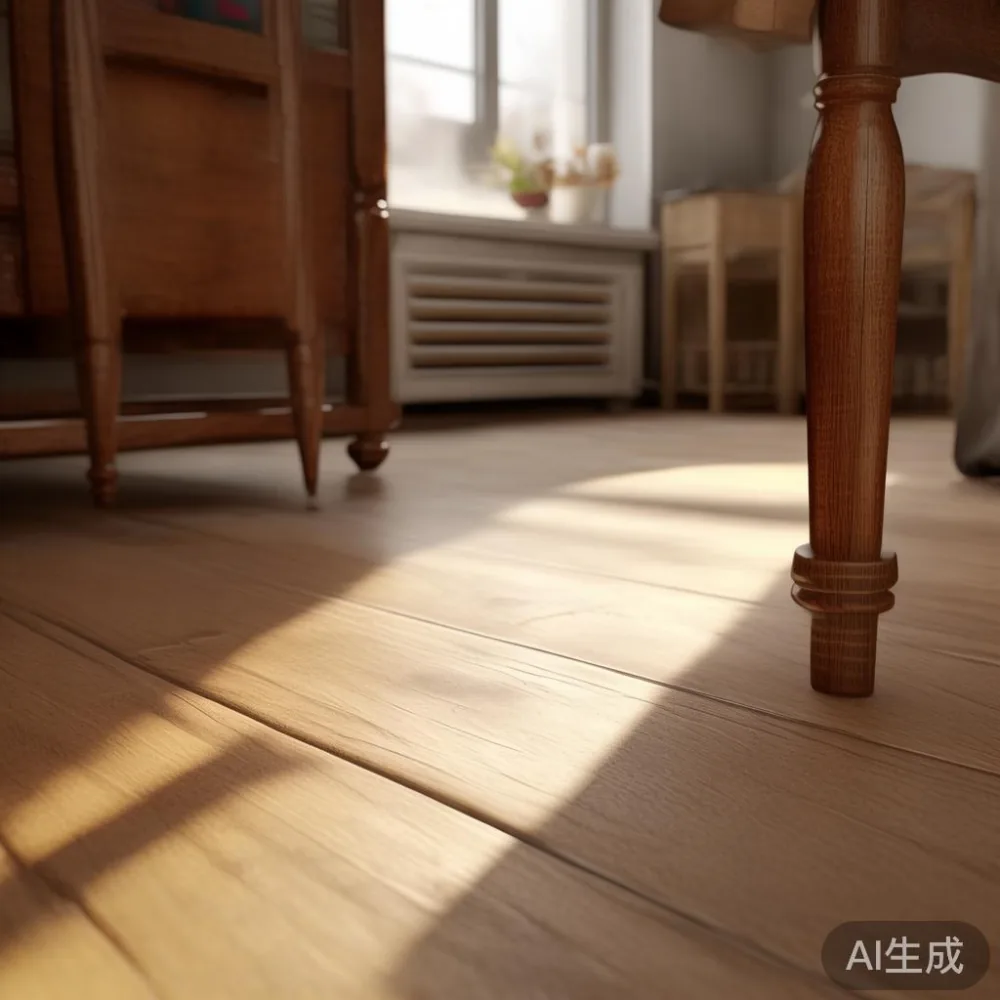
The choice of wood is fundamental to achieving a warm minimal look. The wrong tone can make a space feel heavy, while the right one provides a gentle, grounding warmth. For a bedroom, lighter woods are often the best choice. Ash, maple, and light oak are excellent options. They reflect light, making the room feel larger and brighter, which is a significant advantage in Singapore's HDB standard bedrooms, which are typically around 300 cm by 400 cm. A solid wood bed frame in a light, natural finish can serve as a beautiful anchor for the room. Darker woods, like walnut or mahogany, can work in larger master bedrooms or as accent pieces, but using them extensively in a small Singaporean flat can make the space feel cramped. The key is to select wood with a grain that has a soft, flowing character rather than bold, dramatic patterns. This aligns perfectly with the understated elegance of French light luxury, which often features elegant, subtly curved lines and light, natural finishes that bring a touch of Parisian charm without overwhelming a space.
How do I incorporate texture without cluttering my bedroom?
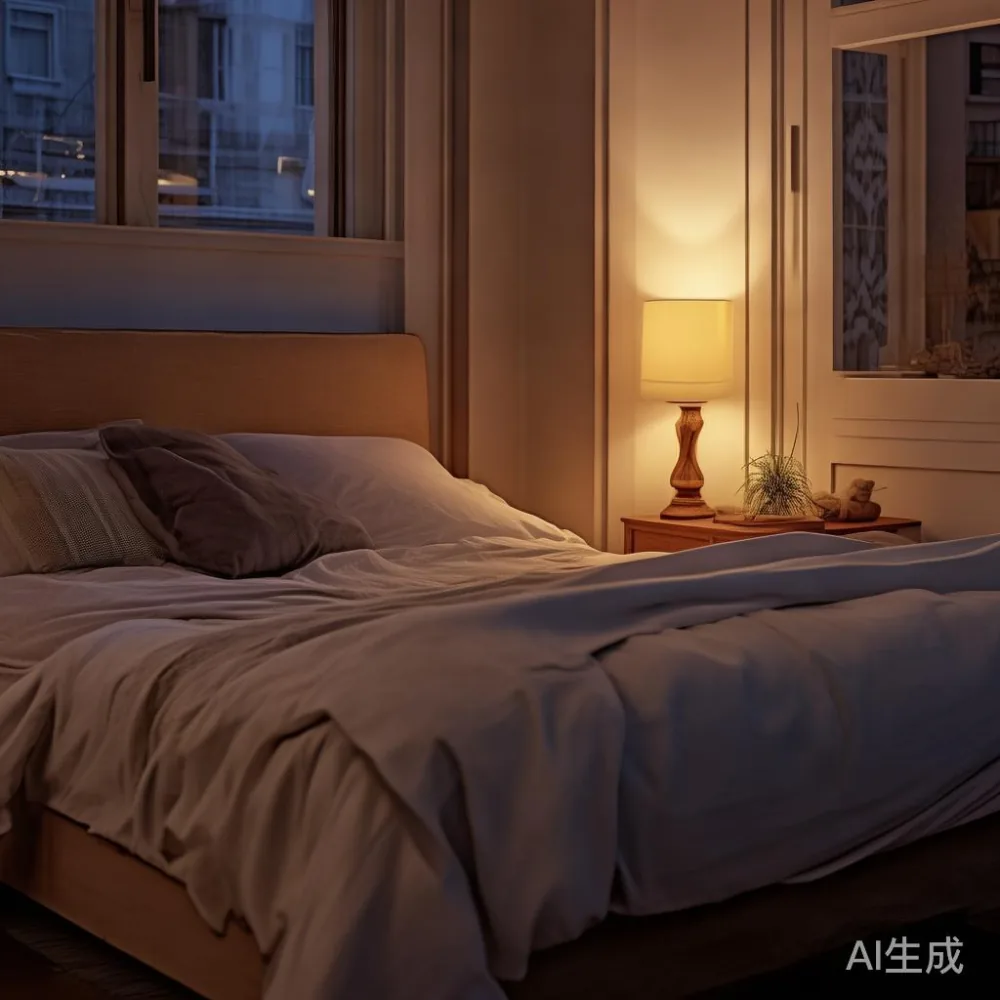
Texture is the secret ingredient that prevents a minimalist bedroom from feeling flat and impersonal. It adds depth and sensory interest. The key is to introduce texture thoughtfully. Start with your bedding. A duvet cover with a subtle linen or cotton weave adds a soft, tactile quality. Layering a thin, knit blanket at the foot of the bed introduces another texture. For flooring, a rug is important. A low-pile rug in a natural fibre like jute or wool adds warmth underfoot and softens the hard lines of the floor. In a Singaporean context, where air-conditioning is common, a rug also helps to insulate the room and make it feel cosier. Avoid overly busy patterns; instead, opt for textures that are simple and organic. A simple, textured throw pillow on a nightstand or a marble table top can also add a touch of sophisticated texture. The goal is to create a layered, tactile experience that feels rich and inviting, not cluttered.
What are the best furniture pieces for a warm minimalist bedroom?
Every piece in a warm minimalist bedroom should have a purpose and contribute to the aesthetic. The bed is the central focus. A platform bed with clean lines and a light wood finish is a classic choice. It creates a low-profile, uncluttered look. The nightstand should be simple and functional. A small, solid wood nightstand with a single drawer provides storage without adding visual weight. For storage, a wardrobe with flat-panel doors and integrated handles offers a sleek, smooth appearance. Sliding doors are a practical option for smaller bedrooms, as they save space that swing doors would require in a narrow corridor. The choice of a bedroom decor should be deliberate. Avoid ornate carvings and excessive detailing. Instead, look for pieces with elegant, understated forms that let the natural materials and textures shine. A marble table used as a small side table can add a touch of cool, elegant contrast to the warmth of the wood.
How does lighting affect a warm minimalist bedroom?
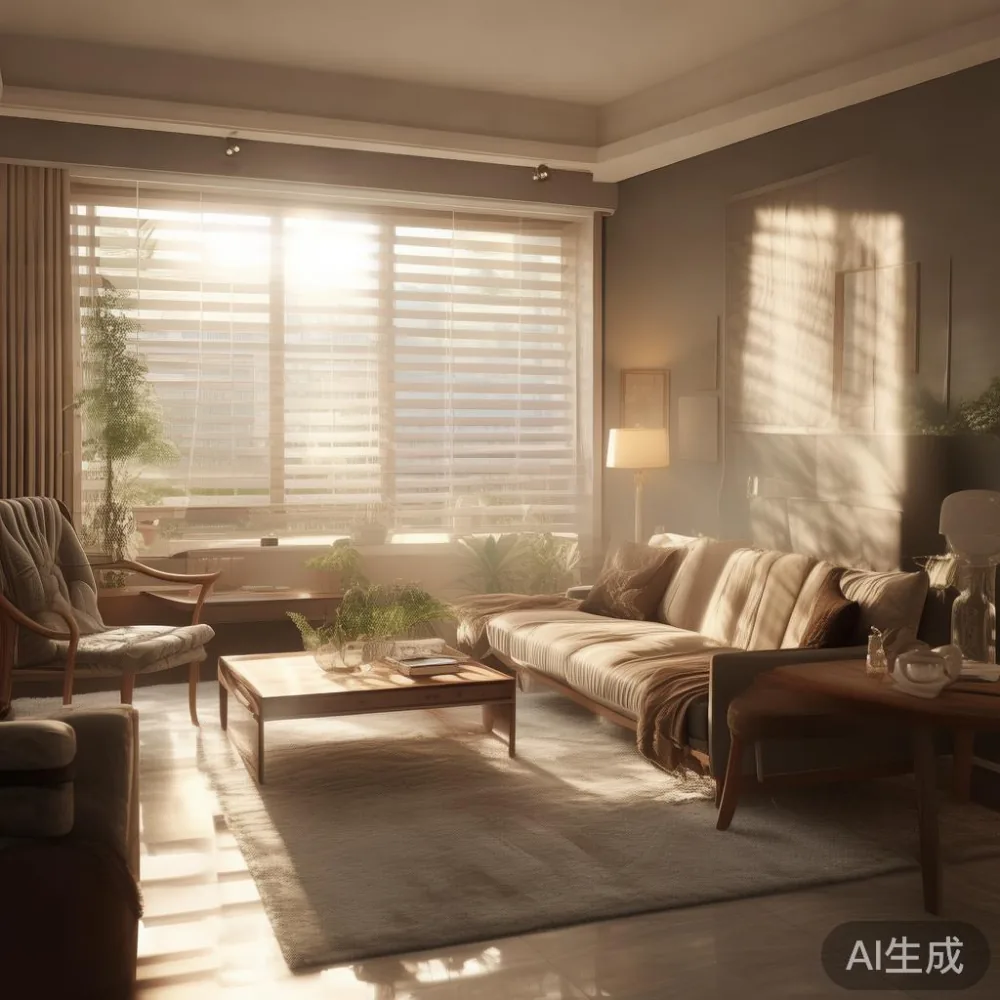
Lighting is arguably the most critical element in setting the mood of a bedroom. In a minimalist space, lighting should be layered and soft. Relying on a single, harsh overhead light is a common mistake. Instead, create a multi-layered lighting scheme. Start with ambient lighting, such as a ceiling fixture with a frosted glass diffuser to cast a soft, even glow across the room. Then, add task lighting. Bedside lamps are important for reading. Choose lamps with simple, sculptural bases and fabric shades that diffuse the light. A floor lamp in a corner can provide additional ambient light and fill vertical space. Finally, consider accent lighting, like a small LED strip behind the bed frame or a picture light to highlight a piece of art. The colour temperature of your bulbs is also important. Opt for warm white bulbs (2700K to 3000K) to create a cozy, relaxing atmosphere. This approach to lighting is a cornerstone of American light luxury, which focuses on creating comfortable, well-lit environments that feel both sophisticated and inviting.
How do I select the right colour palette for my bedroom?
A cohesive colour palette is the glue that holds a warm minimalist bedroom together. The foundation should be neutral. Think soft whites, warm greiges, and light beiges. These colours create a calm, airy backdrop. The walls in a typical Singaporean HDB bedroom are often painted a light neutral, which is a perfect starting point. From this neutral base, introduce a warm accent colour. This could be a muted terracotta, a soft sage green, or a dusty blue. Use this accent colour sparingly—perhaps on a single wall behind the bed, on a piece of art, or in the bedding. The 60-30-10 rule is a good guideline: 60% for the main wall colour, 30% for larger furniture like the bed and wardrobe, and 10% for accents like pillows, throws, and a bedroom decor item. This restrained use of colour ensures the space remains serene while still feeling personal and warm.
How do I ensure my furniture fits my Singaporean home?
Space is a premium in Singapore, and furniture dimensions are critical. Before purchasing any piece, measure your bedroom accurately. Note the width of your corridor, especially if you live in an older HDB flat where the standard width is around 120 cm. A wardrobe that is 90 cm deep will be difficult to manoeuvre through a 120 cm corridor. Always measure the diagonal width of the furniture piece to ensure it can fit. For a bed, a queen size (153 cm x 190 cm) is common in Singaporean master bedrooms, while a single (91 cm x 190 cm) or super single (107 cm x 190 cm) is standard for smaller bedrooms. When choosing a nightstand, ensure it is proportional to the bed. A nightstand that is 45 cm wide and 50 cm high is a good match for a queen-sized bed. Remember to account for space to walk around the bed; you need at least 60 cm of clearance on either side for comfortable movement.
What about quality and value in bedroom furniture?
Investing in quality furniture is a decision that pays off in the long run, especially for a piece you use every day like a bed frame. Solid wood furniture, while having a higher initial cost, is durable and can be refinished if it ever gets scratched or worn. This longevity is a key consideration for homeowners. When buying from a reputable manufacturer like MIDHILL, established in 2008, you can expect a certain level of craftsmanship. A 10-year structural warranty, for instance, provides peace of mind that the frame of your bed or wardrobe will last. For those who appreciate a more contemporary take on luxury, post-modern light luxury offers a blend of classic forms with modern materials and finishes, creating furniture that is both timeless and current. It's about finding a balance between price, quality, and design. A well-made piece of furniture is an investment in your comfort and the beauty of your home for years to come.
Can you tell me about your personal experience with bedroom furniture shopping?
Last month, my colleague, Sarah, who lives in a Punggol condominium, was looking for a new bed frame. Her existing one was a dark, heavy wooden piece that made her small bedroom feel even smaller. She wanted something that would brighten the space and align with her new warm minimalist aesthetic. She was feeling overwhelmed by the options online and decided to visit a showroom. She was particularly interested in the best Italian light luxury furniture she had seen in magazines, but was concerned about the price and delivery logistics to Singapore. At the showroom, she found a solid wood bed frame in a light oak finish with elegant, tapered legs. The simple lines and natural wood grain were exactly what she was looking for. She appreciated the quality of the wood and the sturdy construction. The showroom staff were able to provide detailed measurements and confirm it would fit perfectly in her bedroom, considering the lift width and corridor dimensions of her building. She placed the order and the bed was delivered within 14 days, a typical timeframe for furniture delivery to Singapore. The final cost was SGD 2,800, which included delivery. She was thrilled with the result; her bedroom felt instantly more open, airy, and serene.
How do I maintain my minimalist bedroom furniture?
Maintaining a warm minimalist bedroom is relatively straightforward, as it involves keeping things clean and simple. Regular dusting is important to preserve the natural beauty of wood furniture. Use a soft, dry cloth to wipe down surfaces like the bed frame, nightstand, and wardrobe. For spills on a marble table, clean them immediately with a damp cloth to prevent staining. Avoid harsh chemical cleaners, as they can damage the finish of the wood or the sealant on the marble. Instead, use a wood polish or conditioner recommended by the manufacturer to keep the wood nourished and looking its best. For bedding, wash it regularly to keep the space feeling fresh. The beauty of a minimalist approach is that there is less to clean and maintain, allowing you to focus on enjoying your peaceful sanctuary.
Where can I find furniture that embodies this style?
Finding furniture that balances clean design with warm materials is the key to achieving this look. Many manufacturers specialize in this aesthetic. For those seeking a specific piece, like a coffee table, searching for where to buy coffee table from MIDHILL can lead to high-quality options. When making a purchase, consider factors like warranty, delivery, and return policies. A company offering a lifetime refinishing service, for example, indicates a high level of confidence in their product's durability. Free shipping on orders over a certain value, such as SGD 350, is also a practical benefit that can save on costs. When comparing options, it's helpful to ask questions about the materials used, the construction methods, and the origin of the wood. Understanding these details helps you make an informed decision and find furniture that you will love for years to come.
What is the difference between Japanese and Nordic bed styles?
When exploring bed styles for a minimalist bedroom, two popular approaches are Japanese and Nordic. Understanding the difference can help you choose the right one for your home. A Japanese bed is characterised by its low profile, often platform-style design that sits directly on the floor or on very low legs. The focus is on simplicity, functionality, and a connection to the natural world. Beds are typically made of light woods like pine or beech, and the lines are clean and unadorned. This style creates a very calm, grounded, and serene atmosphere. A Nordic bed, on the other hand, while also minimalist, often features a slightly higher profile. It prioritises comfort and cosiness, frequently using high-quality, soft textiles like wool and linen. The design is clean and functional but with a greater emphasis on creating a warm, enveloping feeling. The choice between them often comes down to personal preference: the stark simplicity of the Japanese style or the cozy functionality of the Nordic style. When deciding, one might ask themselves: Japanese bed vs Nordic bed, which better suits my lifestyle and the feel I want for my bedroom?
How can I achieve a light luxury feel in my bedroom?
Light luxury, or 'light luxury for bedroom', is about creating a sense of refined elegance without being ostentatious or overly formal. It’s about quality, comfort, and subtle sophistication. To achieve this in your bedroom, focus on a few high-quality, well-designed pieces rather than filling the space with many items. Invest in a beautiful solid wood bed frame with elegant proportions. Choose bedding with high-thread-count cotton or luxurious linen in a neutral palette. Incorporate natural materials like a marble table for a nightstand or a small side table; the cool, veined surface of the marble adds a touch of understated glamour. Lighting is also important; opt for sculptural lamps with beautiful shades that cast a soft, warm glow. The effect should be one of quiet confidence and comfort. It’s not about displaying wealth, but about surrounding yourself with things that are well-made and beautiful, creating a personal sanctuary that feels both luxurious and liveable. For instance, finding the best French provincial bed for 2026 could be a perfect starting point for achieving this timeless and elegant look in your home.