Veneer or Solid Wood? A 5-Year Cost Comparison for Singapore Bedrooms
Choosing a bedroom decor set for a Singapore home is rarely a simple choice between two timbers. Veneer can deliver the warm appearance of wood at a lower upfront price, while solid wood brings heavier construction, repairability and a different long-term cost profile. The practical question is how each option performs over 5 years in a humid, space-conscious home, especially within an HDB flat or a condominium in Tampines, Bedok or Punggol.
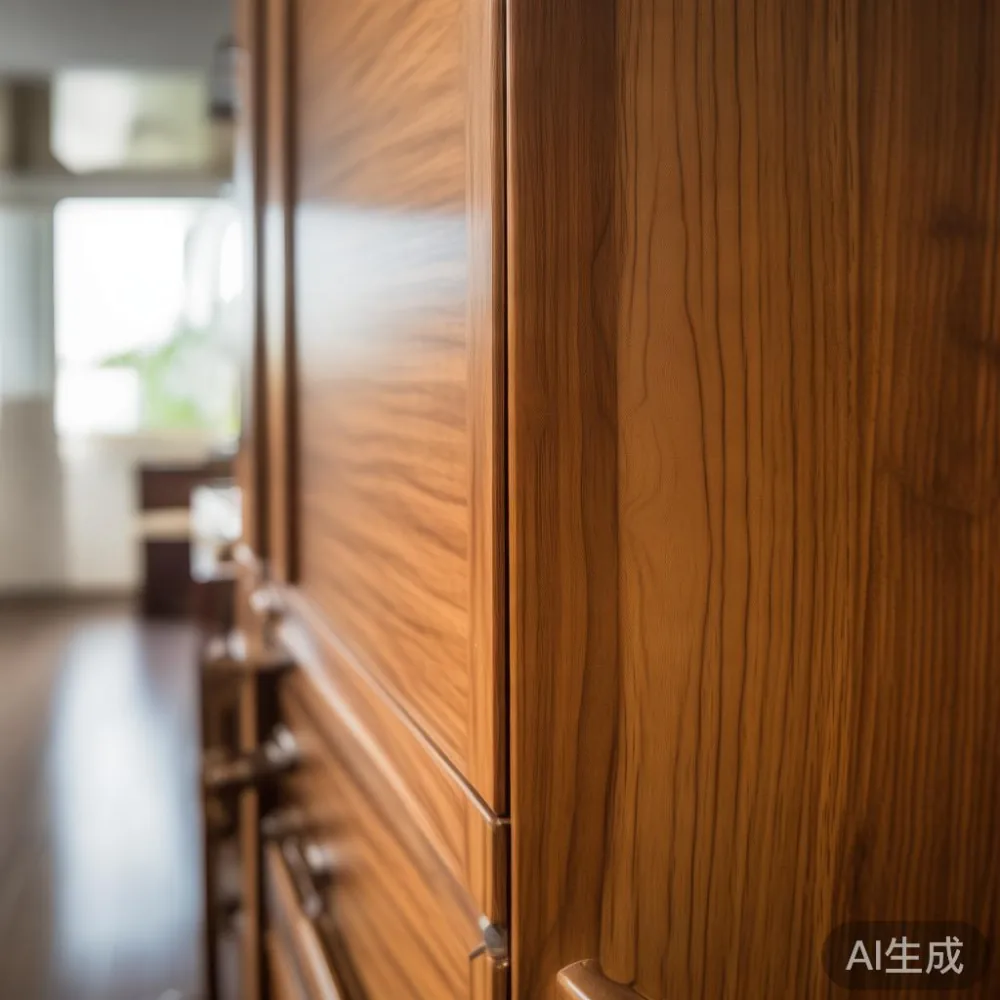
This comparison uses a queen-size solid wood bed frame, a matching nightstand and a 180 cm dining table as representative purchases. Prices are estimates in SGD before GST unless stated otherwise. Actual quotations vary with timber, dimensions, hardware, finish and delivery access. For a fairer comparison, I include a 9% GST assumption in the totals and note where a product may be exempt or treated differently for a particular transaction.
My own experience was a site visit last month to a Bedok condominium. I tested a veneered bedside table against a solid oak bedside table by pressing the edges, checking movement at the joints and wiping both surfaces with a damp cloth. The veneer looked highly convincing from 60 cm away, but its 18 mm MDF core felt lighter and more hollow when tapped. The solid wood table weighed 11.4 kg against 7.8 kg for the comparable veneer unit. That difference matters in a lift and corridor setting, although the heavier product is not automatically the better choice.

What Is the Difference Between Veneer and Solid Wood?
Veneer is a thin layer of real wood, often 0.6 mm to 1.2 mm, bonded to an engineered board such as MDF, plywood or particleboard. A 1.8 mm commercial face veneer can also be used on quality furniture. The visible surface is natural wood, but the panel beneath determines much of its stability, weight and repair behaviour.
Solid wood furniture uses a thicker piece of timber through the visible edge and much of the structure. A queen bed frame may use solid beech, ash, oak or walnut components, with plywood or slats in selected non-load-bearing areas. The label “solid wood” can still vary between manufacturers, so it is worth asking which parts are solid timber and which are engineered wood.
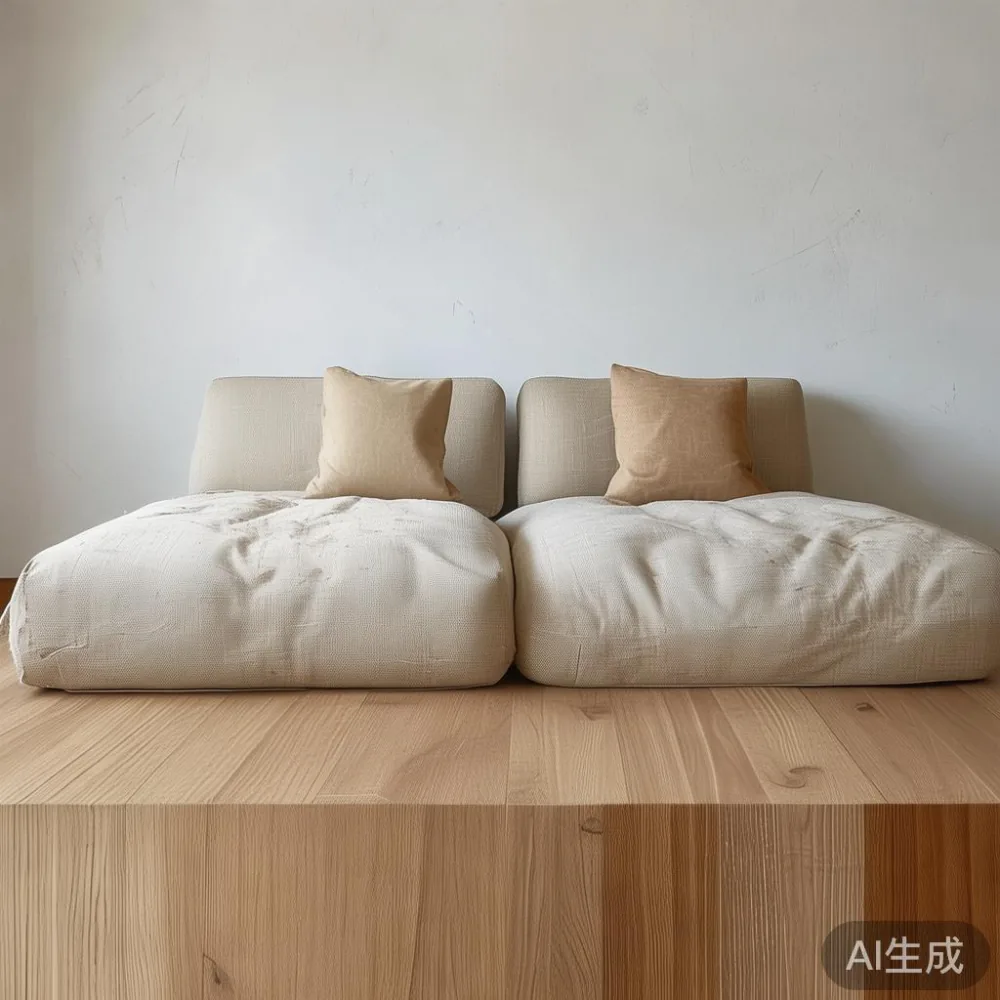
For bedroom decor, the visual difference is smaller than many buyers expect. Good veneer can reproduce the grain pattern and colour of solid wood, especially on a bed frame headboard or wardrobe doors. Solid wood often shows small irregularities, pores and movement lines as it responds to humidity. French light luxury styling tends to favour pale oak, cream upholstery and restrained hardware, while American light luxury can use warmer walnut and broader, simpler forms. Post-modern light luxury may pair figured veneer with clean lines, but the material should remain secondary to the room’s proportions.
How Much Does Each Option Cost at Purchase?
Here is a realistic Singapore price range for the three representative items. The figures use online retail and showroom examples commonly encountered for made-to-order furniture, not a single fixed catalogue.
A 150 cm by 200 cm queen bed frame with a slatted base may cost SGD 620 to SGD 1,150 in veneer and SGD 980 to SGD 1,850 in solid wood. A matching 45 cm nightstand may cost SGD 95 to SGD 220 in veneer and SGD 160 to SGD 360 in solid wood. A 180 cm dining table may cost SGD 520 to SGD 950 in veneer and SGD 860 to SGD 1,700 in solid wood.
For a matched set, assume a veneer total of SGD 1,600 before delivery, and solid wood total of SGD 2,700. At 9% GST, these become approximately SGD 1,744 and SGD 2,943. The first purchase difference is therefore about SGD 1,199. A wardrobe adds another layer: a 180 cm-wide, 220 cm-high veneer wardrobe may be SGD 1,250 to SGD 2,400, while a comparable solid wood design may be SGD 2,100 to SGD 4,200.
The lower starting cost is often the reason buyers select veneer. The higher starting cost of solid wood can include more timber preparation, longer drying, heavier packaging and stronger joinery. MIDHILL describes a 10-year structural warranty on its solid wood furniture, which gives a defined point of comparison against a typical 1-year or 2-year warranty on a low-cost veneer panel. Warranty terms should still be read carefully because finishes, movement and commercial use may be treated separately.
What Does a 5-Year Ownership Cost Look Like?
I used a simple 5-year calculation based on purchase price, probable refinishing, repair allowance, delivery and disposal. It is not a quotation. It assumes one queen bed frame, two nightstands and one 180 cm dining table in a domestic home.
Veneer scenario
Initial furniture cost before GST: SGD 1,600. Estimated delivery and lift booking: SGD 120. GST at 9%: SGD 155. Refinishing or polishing once during 5 years: SGD 180. Edge and joint repair allowance: SGD 220. Replacement of 2 damaged panels at SGD 90 each: SGD 180. Estimated disposal or dismantling cost: SGD 80. Total: about SGD 2,535 over 5 years, or SGD 507 per year.
Solid wood scenario
Initial furniture cost before GST: SGD 2,700. Estimated delivery and lift booking: SGD 180 because of the heavier load. GST at 9%: SGD 259. Refinishing or polishing twice during 5 years: SGD 340. Sanding and minor joint repair allowance: SGD 180. Replacement of 2 small components at SGD 65 each: SGD 130. Estimated disposal or dismantling cost: SGD 60. Total: about SGD 3,849 over 5 years, or SGD 770 per year.
On these assumptions, veneer is about SGD 1,314 cheaper over 5 years. If the veneer panels delaminate, swell or cannot be refinished evenly, the gap can narrow quickly. A 5-year ownership view is more informative than comparing only the invoice price. It asks whether the piece can be repaired, whether the finish remains coherent and whether the buyer expects to keep it for 8, 10 or more years.
These numbers also need to include GST. Singapore’s 9% GST applies to most taxable supplies, although the seller should confirm the treatment. Delivery to a public HDB corridor may include a stair or lift surcharge. A typical HDB lift door may measure 90 cm wide by 210 cm high, while a corridor turning point can be close to 100 cm. A 160 cm long bed frame box may need to be carried vertically or disassembled. Solid wood packages are heavier, but they are not necessarily larger.
Which Option Handles Singapore Humidity Better?
Singapore’s high humidity makes movement control important. A room can move between 26°C and 33°C, with relative humidity changing during monsoon periods. Solid timber can expand and contract across its grain. Around 6 to 12 mm of seasonal movement on a wide solid wood panel can be normal depending on the timber, panel width and fitting.
Veneer can be dimensionally stable when its substrate and adhesive are well made. It may move less across the panel face, but an exposed edge can reveal the core, and moisture intrusion may cause swelling or delamination. Quality plywood and MDF are not interchangeable. Ask whether the back panel is sealed, whether edges are treated and which adhesive is used.
For a solid wood bed frame, allow ventilation behind a headboard and avoid direct contact with air-conditioning outlets. For a dining table, place coasters and felt pads under hot objects, and wipe spills within 15 minutes. A marble table may be chosen beside a bedroom seating area, but its 45 to 70 kg weight requires careful planning around HDB lifts and narrow corridors. The same delivery discipline applies whether the centrepiece is a marble table or a solid wood sofa.
For design research, a comparison between Japanese bed vs Japandi bed can be useful: both often favour low profiles, calm colours and careful visual spacing. A Japanese bed may use a platform frame with minimal visual bulk, while a Japandi bed may combine simple timber lines with soft textiles. The timber choice should match the actual room, not only the style image.
Is Veneer More Practical for Small Singapore Homes?
Veneer often wins on initial price and weight. A queen bed frame that weighs 32 kg is easier for two people to carry through a condominium corridor than a 48 kg solid wood frame. A veneer nightstand weighing 7.8 kg is also easier to place beside a bed in a compact bedroom. This matters in Tampines and Bedok HDB flats where furniture may need to pass a 85 cm doorway or turn near a stairwell.
However, lightness should not be confused with ease of handling. A poorly packed solid wood frame can still be awkward, while a veneered wardrobe may be large and fragile at the corners. Measure the lift, landing and bedroom door before ordering. Leave at least 10 cm of clearance around a wardrobe door for hinges and drawers. Confirm whether the supplier can deliver in 3 to 5 days in Singapore or whether a made-to-order piece requires 25 to 45 days.
MIDHILL offers free shipping over US$350, although international shipping rules and local Singapore delivery charges should be confirmed directly. If you are comparing a solid wood sofa with other seating, remember that sofas and solid wood beds have different structural loads. A solid wood sofa can use a timber base with upholstered cushions, while a bed frame must support a person, slats and repeated movement over 10 years.
For buyers who want the visual language of light luxury sofa vs Mid-century modern sofa, the comparison is about proportions rather than veneer alone. Tapered legs, a 75 cm seat height and a 190 cm width may create a Mid-century silhouette, while a French light luxury scheme may use a lower profile, curved arms and oatmeal fabric. The frame material still affects longevity and weight.
Where Do Repairs and Refinishing Change the Result?
Solid wood is usually easier to sand and refinish when the surface has been prepared properly. A small scratch on a nightstand may be corrected with 120, 180 and 240 grit paper, followed by a compatible finish. A deeper gouge can sometimes be filled with a matching wood filler. The result depends on the original stain and sheen, so a complete refinishing test is sensible before accepting a patch.
Veneer is less forgiving. If the thin face layer is cut through, a local repair may expose the substrate. Edge banding can lift after repeated knocks, and a swollen panel may not return to its original shape. Some modern veneers can be repaired with resin fillers, but the repair should be assessed in person. A 5 mm chip at a visible corner of a wardrobe door may cost SGD 80 to repair, while replacing a whole panel may cost SGD 250 to SGD 600.
Solid wood can also split or check, particularly around a joint or a wide tabletop. Proper construction reduces this risk, but it does not remove the effect of dry air conditioning or sudden moisture changes. Ask about joinery, drawer runners, centre supports and the thickness of a dining tabletop. A 25 mm top may feel substantial, but span and support matter more than thickness alone.
MIDHILL’s lifetime refinishing service is relevant to this comparison because it changes the meaning of wear over 5 years. The exact scope should be confirmed for each piece, finish and location. A buyer should still inspect the furniture every 12 months, tighten relevant fittings and keep liquids away from the surface.
How Do You Style a Wardrobe and Bed as Light Luxury?
A light luxury bedroom usually works through balance: warm timber, one textured textile, controlled lighting and enough empty space. A 180 cm wardrobe in veneer can look refined if its doors have consistent grain alignment, narrow handles and a full-height mirror that reflects daylight. Solid wood can feel more tactile, especially in white oak with a matte oil finish.
For practical research into how to style light luxury wardrobe in room, measure the wardrobe before selecting decorative objects. A 35 cm gap beside the wardrobe may be enough for a slim lamp, while a 60 cm gap can support a small bench. Keep the bed’s headboard 8 cm to 12 cm from a textured wall panel if space allows. A queen bed frame usually needs 75 cm of width on each side for bedside access in a larger bedroom, but an HDB room may require a more compact arrangement.
Use one material focus rather than several competing wood colours. For example, pair a light oak bed frame with a cream headboard, brushed brass hardware and a muted sage rug. A walnut nightstand can work with pale walls, but its warmer tone should be repeated only once or twice. Post-modern light luxury can introduce a geometric artwork or a marble table, provided the total visual weight remains controlled.
A solid wood dining table placed near a bedroom is common in open-plan Singapore condos, especially for compact dining zones beside a kitchen. Keep a minimum 90 cm clearance between the table edge and a bed or wardrobe door when possible. If the dining table is veneer, protect its edges with felt pads and avoid placing it beside a frequently opened balcony door.
Which Choice Should a Singapore Buyer Make?
Veneer is the more economical option when the priority is a lower first payment, a lighter package and a visually consistent bedroom decor arrangement. It can work well for a rental bedroom, a child’s room or a condo where the furniture will be replaced before the substrate reaches the end of its useful life. Look for sealed edges, stable panels, solid timber legs and a clear warranty.
Solid wood is the stronger long-term choice when you expect to keep the furniture beyond 5 years, move it between homes, refinish it or pass it to family. The larger upfront cost buys more repair potential and often a heavier, more substantial feel. A solid wood bed frame, nightstand and dining table can remain part of a home for 12, 15 or 20 years with sensible care.
The decision is not based on timber purity alone. Compare the total dimension, core material, joinery, finish, warranty, delivery time and repair policy. For solid wood products from MIDHILL, the 10-year structural warranty, lifetime refinishing option and 14-day returns policy provide useful reference points. Confirm local delivery days, lift fees and GST on the quotation.
If you are searching where to buy bed from MIDHILL, request the exact timber species, dimensions and finish before placing an order. For broader product research, a designer Mid-century modern furniture brief should include room measurements, door widths and preferred maintenance level, not only a style reference.
A separate search for top 10 Industrial furniture may lead towards metal and reclaimed timber, but that is a different bedroom decor direction. Keep the comparison focused on the pieces that will be touched, moved and used every day: the bed frame, wardrobe, nightstand, dining table and occasional marble table or solid wood sofa.
My practical conclusion is straightforward. Choose veneer when the budget is fixed and the appearance matters most over the first few years. Choose solid wood when 5-year durability, repairability and long-term ownership are the main goals. In either case, measure the lift and corridor, protect the furniture from moisture, and inspect the finish every 12 months. Contact MIDHILL at midhillco@gmail.com for a material and delivery check before your bedroom decor purchase.