Singapore’s Veneer vs Solid Wood: 5-Year Cost Analysis
Choosing bedroom furniture for an HDB flat or condo in Singapore often comes down to two appealing labels: veneer and solid wood. On paper, veneer appears lighter and less expensive. Solid wood suggests permanence, repairability and a more tactile finish. The real decision, however, should be based on what each option costs over 5 years, including purchase price, delivery, maintenance, refinishing and the probability of replacement.
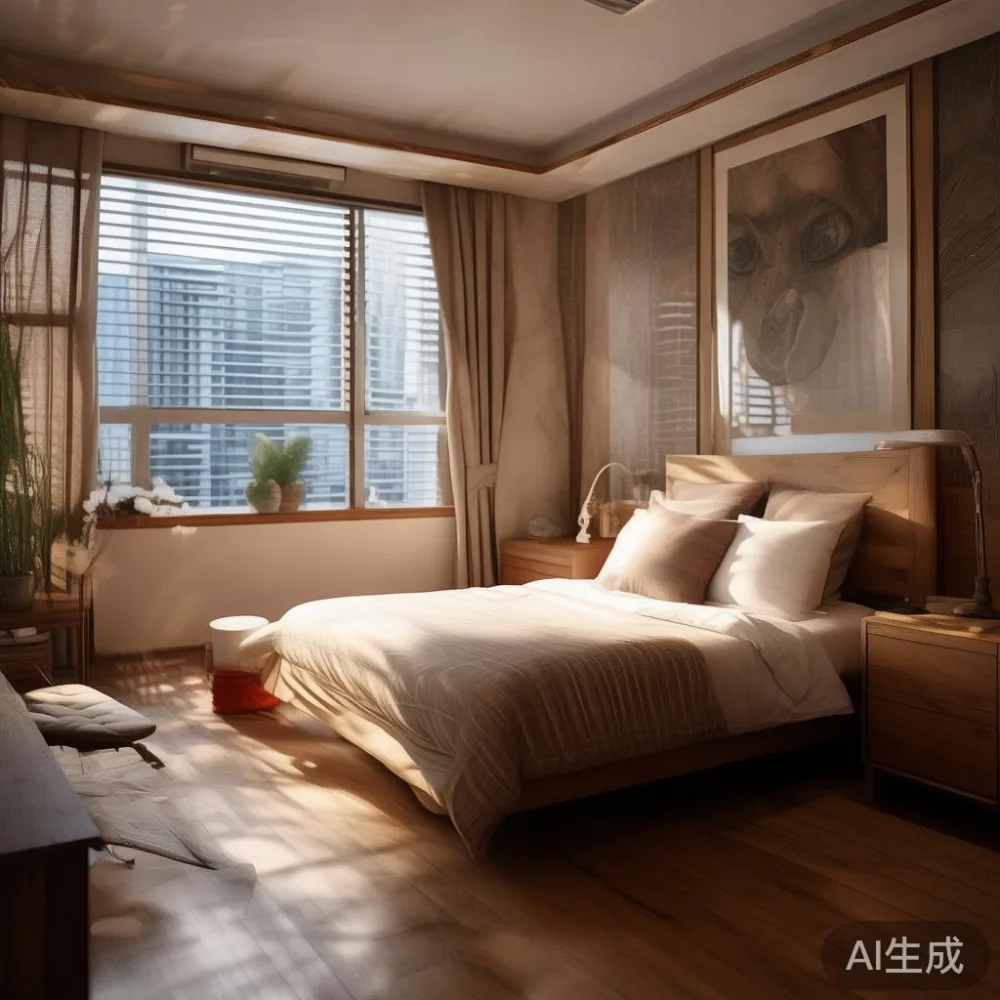
This comparison focuses on bedroom decor such as bed frames, wardrobes, nightstands and compact dressing tables. It also considers the practical constraints of Singapore homes: lift dimensions, corridor turns, high humidity, frequent moving, GST and the limited storage space found in Tampines, Bedok and Punggol HDB flats. Prices below use realistic Singapore retail ranges in SGD and exclude promotional discounts.
What is the 5-year cost difference between veneer and solid wood bedroom furniture?
For a typical bedroom package, a 150 cm solid wood bed frame may cost SGD 1,150 before GST, while a comparable veneer bed frame may cost SGD 680. A 120 cm solid wood wardrobe may cost SGD 1,480, compared with SGD 920 for veneer. A 50 cm solid wood nightstand may cost SGD 320, compared with SGD 190. The furniture is not always direct like-for-like in design, so these figures are purchasing benchmarks rather than laboratory comparisons.
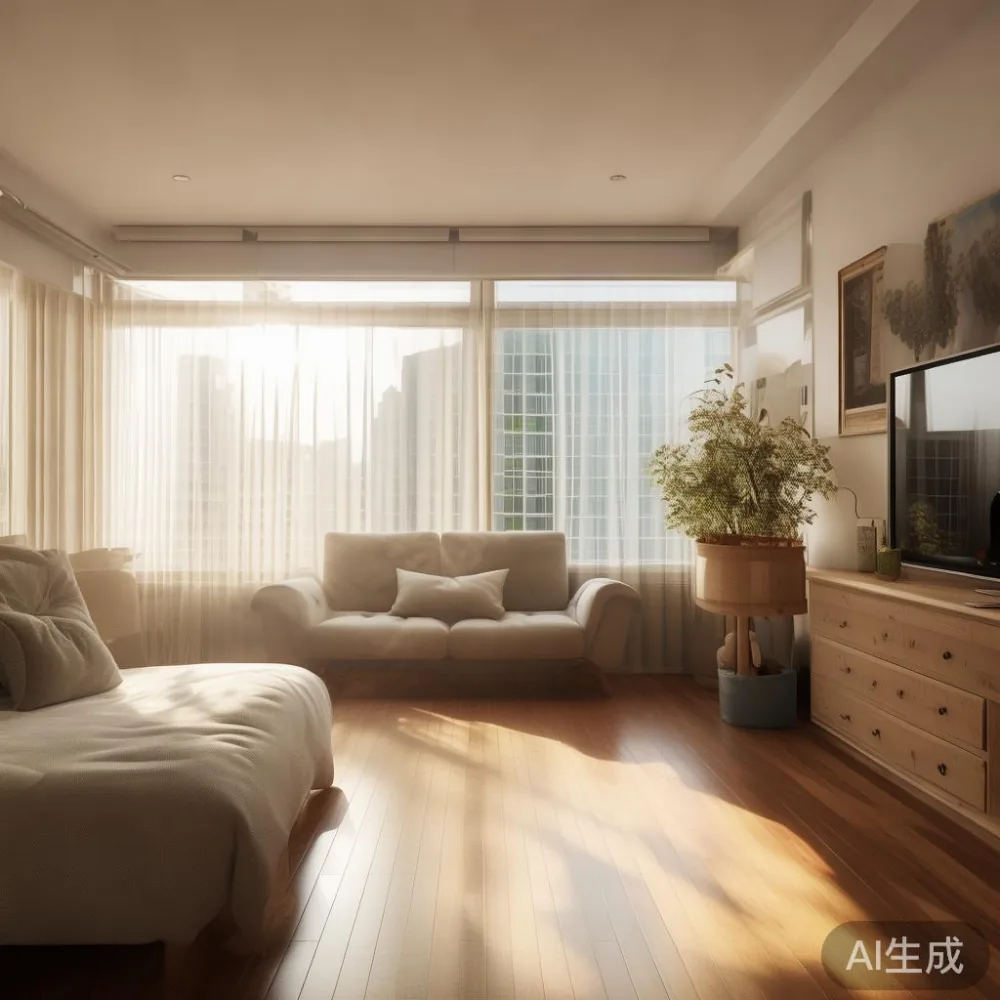
Across a bedroom containing one bed, one wardrobe, two nightstands and one small dressing table, the purchase gap is substantial:
- Veneer package: about SGD 2,600 before GST.
- Solid wood package: about SGD 4,200 before GST.
- Difference: roughly SGD 1,600 before GST and SGD 1,728 after 8% GST in Singapore.
Over 5 years, veneer wins on the initial price in most cases. Solid wood can still produce a lower total cost if the buyer refinishes it, uses the furniture for a second move and avoids early replacement. It is not automatically cheaper, and it does not automatically last longer. The result depends on construction, humidity exposure, care and realistic ownership plans.
How much do veneer and solid wood cost in the first year?
Let us compare two room sets priced at current Singapore retail levels. The figures include the item cost but exclude GST so the construction of each calculation remains clear.
| Item | Veneer | Solid wood |
|---|---|---|
| Queen bed frame, 150 × 200 cm mattress size | SGD 680 | SGD 1,150 |
| Two-door wardrobe, 120 × 60 × 200 cm | SGD 920 | SGD 1,480 |
| 2 nightstands, each about 45 × 40 × 55 cm | SGD 380 | SGD 640 |
| Dressing table, 100 × 45 × 75 cm | SGD 220 | SGD 380 |
| Estimated delivery charge | SGD 60 | SGD 90 |
| Total before GST | SGD 2,260 | SGD 3,740 |
After GST, the veneer set is approximately SGD 2,441 and the solid wood set SGD 4,039. Delivery may be free above the stated US$350 threshold, but the threshold is currency-based and does not remove the need to check the final Singapore quotation. In an HDB block, a large flat-packed wardrobe might enter through a 900 mm lift opening after unpacking, while a rigid solid wood cabinet may not fit through the same door. Add a second delivery attempt at SGD 45–SGD 80 and the apparent saving narrows.
Weight matters too. A 150 cm veneer bed frame may weigh 35–48 kg, while a solid wood version may weigh 58–82 kg. A two-door veneer wardrobe may weigh 55–75 kg; solid wood may weigh 85–115 kg. Those figures explain why a narrow lift in an older Tampines block and a corridor with two tight turns can affect the total cost more than the product label suggests.
What maintenance costs should I expect over 5 years?
Veneer furniture is economical when its core board and surface layer remain stable. Care usually requires gentle dusting, prompt removal of spills and controlled indoor humidity. A damp cloth, mild soap and immediate drying are enough for most marks. A small repair kit may cost SGD 18–SGD 35. Expect to spend about SGD 100–SGD 250 over 5 years on consumables and minor repairs, excluding accidental damage.
Solid wood can develop scratches, dents and colour variation as it responds to humidity and use. Minor sanding and refinishing may cost SGD 90–SGD 180 per bed frame or nightstand if handled independently. A professional refinishing visit for a larger bed frame can cost SGD 280–SGD 450, while a wardrobe may require SGD 400–SGD 650 because there are more vertical and horizontal surfaces.
A reasonable 5-year maintenance estimate is SGD 150–SGD 350 for veneer and SGD 400–SGD 800 for solid wood. MIDHILL offers lifetime refinishing for eligible products, which can change this calculation substantially. If that service includes the relevant solid wood bed frame, wardrobe or nightstand and can be used once the finish is genuinely due for renewal, the owner may avoid most professional refinishing charges.
That service should still be confirmed in writing. “Lifetime” can mean the useful life of the product rather than free refinishing every year. Ask whether collection, transport, coating and repair of accidental marks are included. This is particularly important in Singapore, where an exterior HDB corridor and staircase create additional handling exposure.
How does humidity change the comparison in Singapore?
Singapore’s tropical climate is one of the most important variables. A bed frame or wardrobe kept near an unventilated balcony, next to an air-conditioning unit or against a frequently wet shower wall faces more demanding conditions than the same item in a dry bedroom. Relative humidity of roughly 60–80% can encourage veneer to lift at edges, swell or develop mould if moisture reaches the core, while solid wood can move, check or warp as its moisture content changes.
Neither material is moisture-proof. Good furniture design still needs a stable internal environment. Keep solid wood furniture at least about 30 cm from a shower or balcony door, use a hygrometer and aim for approximately 40–65% relative humidity where practical. For veneer, inspect the edges of doors and panels every 6 months. For solid wood, look for small splits under joints and around moving parts every 12 months.
Condensation on an air-conditioning vent can create a local moisture problem even when the rest of the room reads 58% humidity. In Bedok or Tampines, where many residents run air conditioning for long periods while the unit is off, the door and frame temperature can differ by 5–8°C. Airflow matters: leaving a gap of at least 5 cm around a wardrobe and 10 cm behind a nightstand helps drying.
Light-luxury styling does not require a vulnerable finish. French light luxury bedroom decor can pair an oak-toned veneer nightstand with cotton bedding, a ceramic lamp and brushed brass handles. American light luxury works well with clear-grain solid wood, cream upholstery and simple lines. Post-modern light luxury can use solid wood bed frames with softened corners and geometric dressing tables, provided the pieces are not pushed against damp walls.
What if I move home during those 5 years?
Moving is common in Singapore rentals and HDB life. A veneer wardrobe that can be dismantled into panels may cost SGD 80–SGD 160 to dismantle and reinstall. A rigid solid wood wardrobe may cost SGD 180–SGD 320 if it must be moved intact, or SGD 280–SGD 500 if hardware, rails and doors require adjustment. A lift with an internal depth of 1,200 mm and a door opening of 900 mm may accept a smaller nightstand but not a wardrobe carcass wider than 850 mm.
Measure before ordering. Record the lift door width, lift car dimensions, landing turns and the narrowest corridor segment. Allow at least 50 mm of clearance for a rigid item rather than assuming it can tilt inside the lift. For a bed frame, separate rails and headboard components make transport easier; for a wardrobe, removable doors and adjustable hanging rails reduce reinstallation costs.
This makes the initial advantage of veneer less decisive over 5 years. If one move costs SGD 250 more for solid wood, the buyer has used roughly 15% of the original SGD 1,600 purchase-price difference. Two difficult moves could consume about 31%. However, if the solid wood piece is already at its intended bedroom in a condo with a private lift, the moving cost could be only SGD 80–SGD 150.
I tested this practical point last month when I visited my colleague’s three-room HDB flat in Punggol. We tried moving a 120 cm veneer wardrobe through the lift and a rigid 118 cm solid wood cabinet into the same corridor. The veneer carcass could be turned on its side with doors removed; the solid wood cabinet needed a second person and a 15-minute adjustment at the corridor turn. The experience confirmed why product dimensions and delivery access should be included in a 5-year cost comparison, even before considering appearance.
Which option gives better value for a Singapore bedroom?
Veneer is financially stronger when the budget is fixed, the furniture stays in one home and the surfaces are not exposed to moisture or heavy contact. A package costing SGD 2,441 after GST can include a coordinated 150 cm bed frame, 120 cm wardrobe and two nightstands, leaving more cash for curtains, lighting or a mattress. It is a practical option for temporary furniture and compact HDB rooms.
Solid wood becomes more attractive when the owner values repairability, stable joinery, richer grain and the ability to restore rather than discard a piece. For a long-term condo bedroom, a 150 cm solid wood bed frame at SGD 1,150 before GST can make sense if the finish can be renewed. The break-even point is not a universal number. It depends on the furniture’s actual sale price, access charges, local refinishing prices and whether the included warranty reduces repair exposure.
MIDHILL’s 10-year structural warranty also affects perceived value, although it is not the same as covering every scratch or finish failure. A warranty gives confidence in the structure; lifetime refinishing addresses a different part of the ownership cycle. Read both terms carefully and retain invoices.
Product naming can also blur the distinction. A “solid wood sofa” may use solid wood legs and frame with upholstered or engineered panels elsewhere. A solid wood dining table may have a solid wood top with different support components. For bedroom decor, confirm whether the visible top, drawer fronts, rails, legs and side panels are solid wood, or whether veneer and engineered board are used. A marble table is a separate material choice: marble may be 18–25 mm thick and weigh 45–70 kg for a 120 cm unit, so delivery access and crack risk require consideration.
What is the realistic 5-year total for each route?
Here are two ownership scenarios. The first assumes no move, no major damage and ordinary care. The second includes one difficult HDB move plus one refinishing intervention. Figures are rounded and include GST.
| Cost over 5 years | Veneer route | Solid wood route |
|---|---|---|
| Initial purchase | SGD 2,441 | SGD 4,039 |
| Delivery and potential second attempt | SGD 65–SGD 140 | SGD 97–SGD 195 |
| Maintenance and consumables | SGD 100–SGD 250 | SGD 150–SGD 350 |
| One move | SGD 0 | SGD 250–SGD 450 |
| Refinishing treatment | SGD 0 | SGD 0–SGD 350, depending on coverage |
| Scenario 1 range | SGD 2,606–SGD 2,831 | SGD 4,286–SGD 4,584 |
| Scenario 2 range | SGD 2,606–SGD 2,831 | SGD 4,536–SGD 5,384 |
The veneer route remains less expensive in these examples. Yet purchase price alone understates solid wood’s retained asset value. If a maintained solid wood bed frame can be refinished and sold for SGD 500 after 5 years, while a damaged veneer frame has a resale value of SGD 120, the effective gap is smaller. Resale values vary, so this should be treated as an estimate rather than a promised return.
At the other end of the spectrum, a low-cost veneer set used in a damp room may need replacement after 3–4 years because of edge lifting or swollen panels. That would produce a 5-year replacement cost of SGD 2,000–SGD 2,600 before GST, making it more expensive than maintaining solid wood. Stable indoor conditions remain decisive.
Singapore’s 14-day return policy can also reduce the risk of an unsuitable finish or size, but it does not cover long-term wear or the convenience of moving a rigid wardrobe. Confirm whether assembly, delivery and return collection charges are included.
How should I choose without overspending on the wrong material?
Choose veneer if the priority is coordinated bedroom decor at a controlled budget, especially for a first HDB home or a rental. Ask for the board thickness, veneer thickness, edge treatment and moisture-resistant finish. Inspect a sample in person if possible. Keep panels away from wet walls and use a stable moisture level. Choose an adjustable wardrobe design that can be dismantled, because those practical details affect 5-year cost.
Choose solid wood if the furniture will remain in one home for at least 5 years, the surfaces will be handled frequently and repairability matters. Check that drawers, rails and panels are not merely faced with veneer. Confirm the warranty, refinishing terms, grain selection and joinery. A solid wood bed frame weighing 65 kg should have handling instructions suitable for a standard HDB lift.
Budget readers may encounter the phrase cheap Italian light luxury furniture when comparing online. The meaningful distinction is not a country label but construction, finish and support: veneer over a stable core can look refined, while a poorly finished solid wood piece can look ordinary. The same principle applies when searching for the best Scandinavian bed for 2026 or the best European sofa for 2026: compare dimensions, frame material, warranty and delivery terms rather than relying on a trend name.
For broader planning, a request to find a Mid-century modern coffee table may lead outside the bedroom, so check dimensions before adding it to the budget. Likewise, guidance on how to style American sofa in room can help establish a palette, but the primary decision still concerns the bed, wardrobe and nightstands. Even a shopping list that includes the best Boho sofa for 2026 should not distract from measuring the bedroom, lift and corridor first.
For a MIDHILL bed, request the exact material map and finish details, then compare the quote with the figures used here. Check the expected delivery period, usually around 7–21 days for Singapore orders depending on configuration and stock, and keep the documentation for warranty and refinishing claims.
The clearest result is conditional: veneer usually costs less over 5 years in a dry, stable and frequently rearranged bedroom. Solid wood often offers the stronger long-term proposition in a stable home when its refinishing support and retained value are counted. Measure the route into the bedroom, calculate after GST, and treat care requirements as part of the purchase—not as an afterthought.