How to Care for Lacquered Surfaces in Singapore’s Tropical Climate
Humidity, heat and airborne salt can make a beautiful lacquered finish look tired faster than many owners expect. In Singapore, a lacquered bed frame, wardrobe or nightstand may face 28–32°C temperatures, 70–90% relative humidity and frequent changes between air-conditioned bedrooms and humid corridors. Good care does not require specialist machinery; it requires a few measured habits, the right products and realistic expectations about a coated surface.
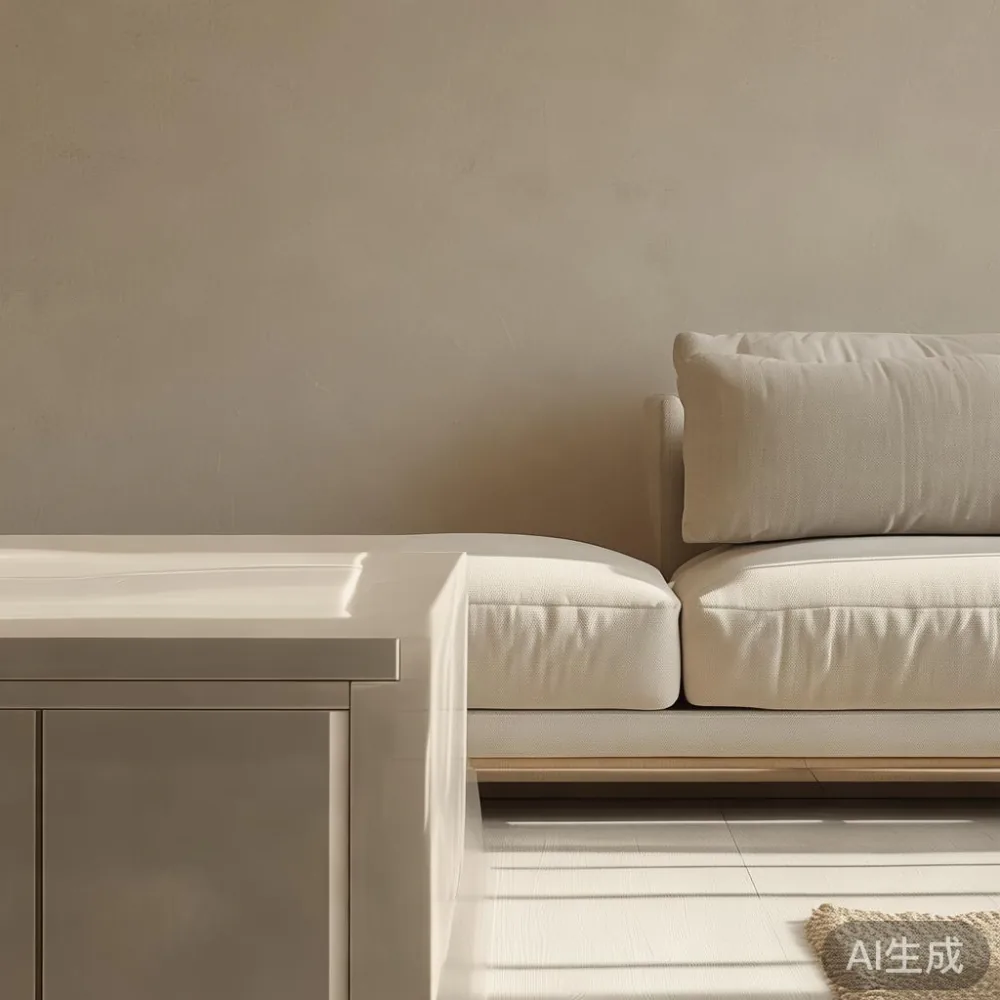
This guide focuses on bedroom decor: the pieces that receive daily touches, stand beside open windows or sit near a corridor. It explains how to clean lacquer, how to respond to marks, how to protect high-traffic areas and what to discuss before ordering custom furniture. For wider context, a solid wood sofa, dining table or marble table belongs in a different care regime because lacquer should never be applied or removed over those materials without specific advice.
What is lacquer, and why does Singapore humidity affect it?
Lacquer is a clear or coloured surface coating applied in thin layers and usually cured under controlled conditions. It can look closer to glass than untreated timber, but it is not the same as an infinite scratch-proof membrane. A typical residential lacquer may be built from several coats, including primer, colour, sealer and topcoats, with total film thickness often around 0.3–1.0 mm depending on the production method.
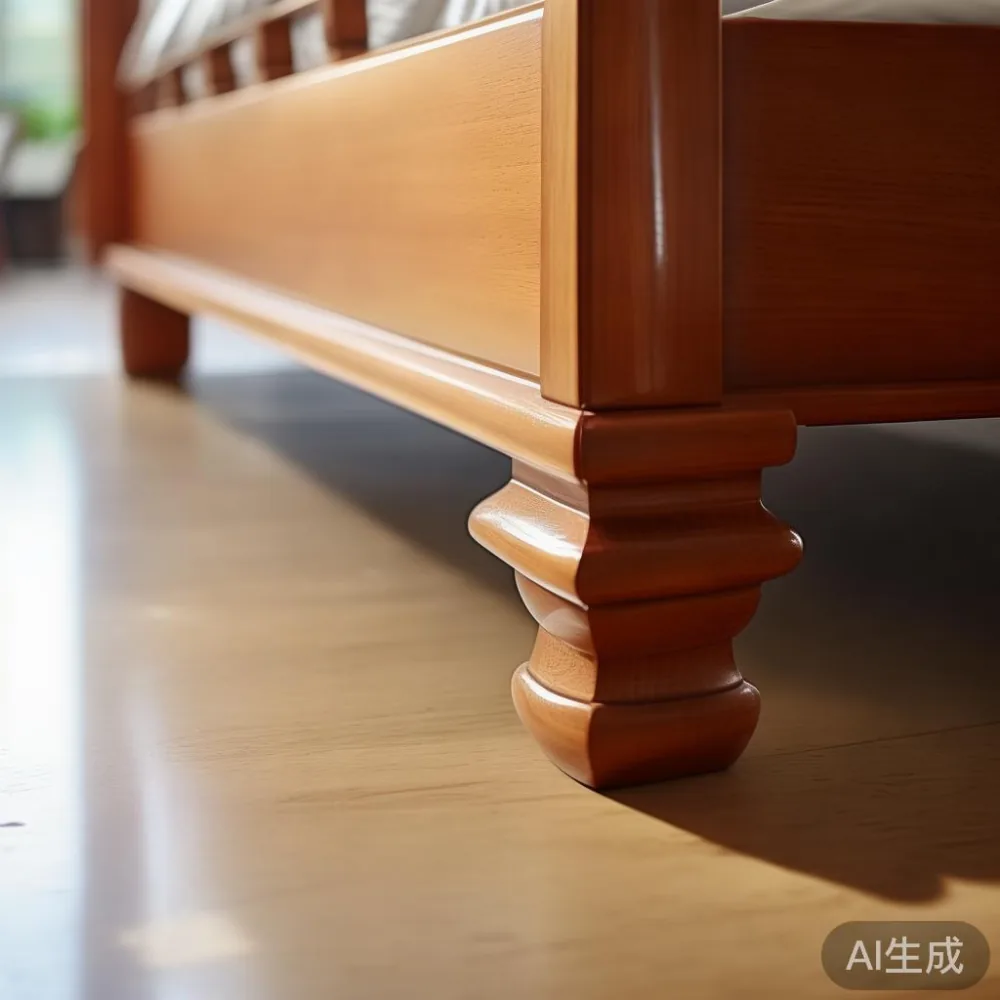
The underlying wood still responds to moisture. Solid timber can expand roughly 1–3% across its grain when its moisture content changes, while lacquer is comparatively less flexible. Repeated swelling can create stress at edges, joints and thinly coated areas. In a lift lobby or corridor, humidity may shift during the monsoon months. Inside a Tampines or Bedok HDB flat, a wardrobe beside a window may receive ultraviolet light every morning, while a Punggol condo unit can have stronger afternoon sun and reflective glazing.
Water, oils, cleaning alcohol, scented aerosols and direct heat can affect lacquer differently. A water ring is often a trapped-film problem; a dull patch may be residue from an incorrect cleaner; a small white mark may be a superficial scuff. Deep penetration, flaking or a split that follows the grain needs closer inspection rather than aggressive polishing.
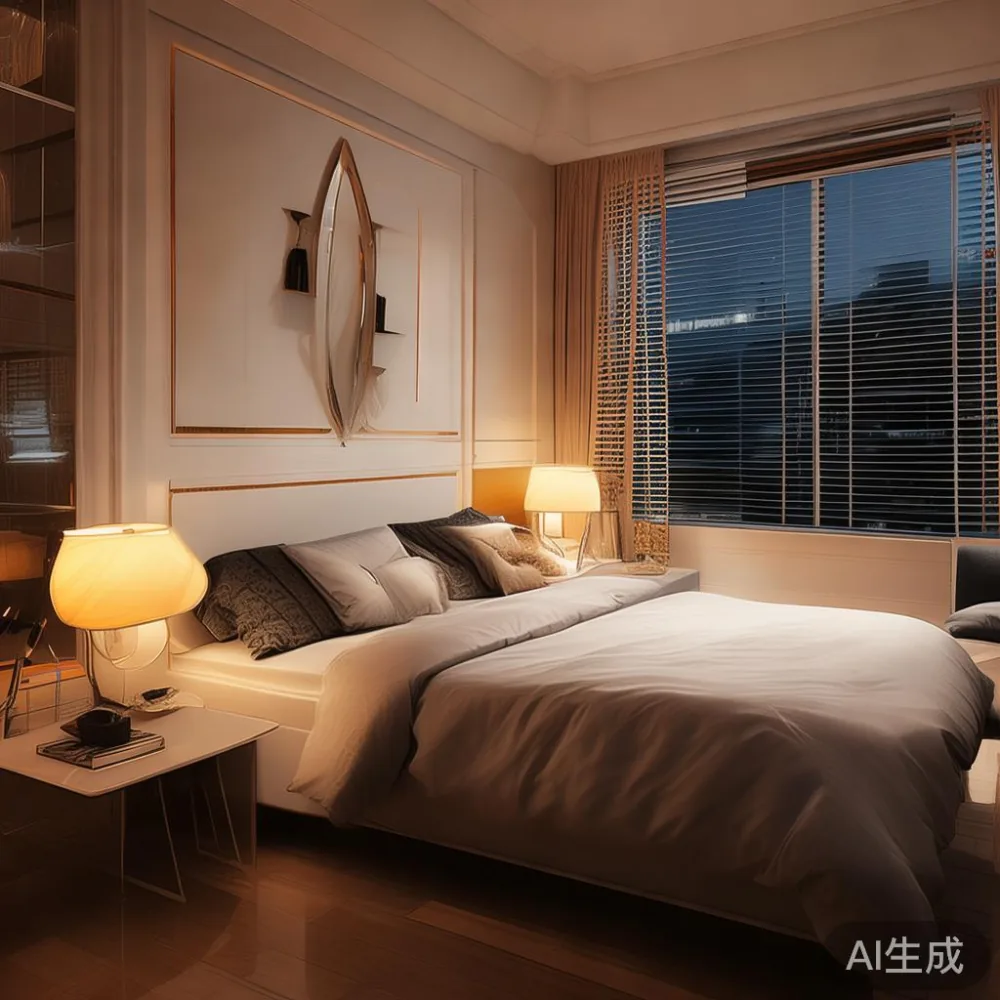
Always ask the supplier for the exact finish name, curing time and approved care instructions. A water-based lacquer, conversion-cured lacquer and hand-rubbed European lacquer do not share one universal repair method. If a bedroom decor order includes a lacquered wardrobe, request the finish specification in writing before delivery.
How should I clean a lacquered bed frame, wardrobe or nightstand?
Start with the least severe method. For routine cleaning, use a soft lint-free microfibre cloth, barely damp with clean water. Wipe in sections of about 30–50 cm, then dry immediately with a second dry cloth. The cloth should not leave visible droplets on the surface. Test an inconspicuous area, preferably 5 cm from the back edge, for 24 hours if the finish is unfamiliar.
A mild pH-neutral soap can be used sparingly. Mix approximately 5 ml of clear dish soap with 500 ml of lukewarm water, dampen the cloth rather than the furniture, and remove residue with a clean damp cloth. Dry with a soft towel. Avoid silicone, oil soap, ammonia, bleach, acetone, alcohol, furniture polish and “disinfecting” sprays unless the lacquer manufacturer expressly permits them.
Clean the top, sides, front edges and handles systematically. Do not neglect the 2–5 cm strip along the floor, where grit can be kicked up and ground into the finish. Use a separate cloth for floors and never wipe a lacquered nightstand with the same cloth used around a marble table. A separate cloth also prevents polishing compounds from migrating onto the lacquer.
Frequency matters. Dust with a dry microfibre cloth every 7 days. Wipe high-touch areas every 2–4 weeks, or monthly in a heavily air-conditioned room where the finish is less dusty. After a delivery, allow the new furniture to acclimatise for 48–72 hours before intensive wiping. If the piece was moved from a cooler van into a warm flat, give the coatings more time to settle.
How to remove marks without damaging the lacquer?
Identify the mark before treating it. Lift loose dust with a dry cloth. For fingerprints, use the barely damp method described above. For oily marks, avoid flooding the area: place one drop of mild soap solution on a clean cloth, press the cloth lightly against the mark, then dry. Repeated light passes are safer than scrubbing.
For a fresh stain, neutralising the spill may prevent penetration. Blot from the outer edge toward the centre with a white cloth and replace the cloth after each pass. Do not rub. If the liquid has already soaked in, stop and contact the maker because solvent-based removal can discolour both the topcoat and exposed timber.
Small scuffs may respond to a finish-compatible touch-up pen. Test the colour on an internal corner and wait 24 hours before judging the match. For larger scratches, measuring more than 5 cm, or for marks around handles, request professional refinishing. A lacquered bed frame with 20 cm of missing coating is not a polishing problem. Similarly, if bubbles or lifting appear along a wardrobe edge, keep the area dry and seek advice instead of applying heat.
Prevention is more effective than correction. Fit soft pads beneath table lamps, use coaster rings around 7–9 cm in diameter for drinks and avoid placing hot hair tools directly on a nightstand. Keep perfume, hand sanitiser and aerosol repellent away from the front edge of a wardrobe.
How do I control humidity around lacquered bedroom decor?
Singapore’s national humidity and local microclimates make environmental control a practical part of furniture care. A hygrometer placed near the wardrobe gives a more useful reading than a general weather forecast. Aim for a stable indoor range of about 45–65% relative humidity where possible. Short periods above 70% are common, but frequent swings are more troublesome than a stable, moderate reading.
Use air conditioning and dehumidification deliberately rather than relying on open windows. A bedroom set to 24–26°C with a dehumidifier maintaining 55–60% can reduce moisture around a bed frame or wardrobe. Run the dehumidifier continuously in persistently damp periods, empty its tank every 1–3 days, and clean the filter every 2–4 weeks. A model rated for 20–30 litres per day is suitable for many HDB bedrooms; the required capacity depends on room size, ventilation and how often doors are opened.
Do not aim cold air directly at lacquered surfaces for hours at a time. Position floor or wall units so that airflow is redirected along the wall. For a condo with floor-to-ceiling glazing, consider solar film with a visible light transmittance of around 40–60% and a high infrared-rejection rating, subject to the building manager’s approval. UV exposure is cumulative: a west-facing Punggol bedroom can receive direct sun for 2–4 hours in the afternoon, so blinds or curtains reduce fading and heat gain.
Keep lacquered bedroom decor away from air-conditioning vents and bathroom doorways. Leave a practical gap of at least 10 cm between the back of a wardrobe and a wet wall if space allows. For an HDB corridor, do not wipe a newly delivered cabinet with hot water while carrying it through a narrow lift; prepare the route, measure the lift door and protect the finish before moving the piece inside.
Is a lacquered surface suitable for a HDB or condo bedroom?
Yes, with the right specification. Lacquer can suit a compact Singapore bedroom because it gives timber a crisp, tailored appearance and reflects available light. French light luxury often favours pale, restrained forms, while American light luxury can use warmer walnut tones and stronger visual contrast. Post-modern light luxury may pair clean planes with curved details. In each style, the finish should support the bedroom’s light level and climate.
Review samples in at least 2 lighting conditions: daylight near a window and evening light under a 2700K–3000K lamp. Ask to see a low-sheen and a higher-sheen sample, because fingerprints show differently on each. A satin finish may appear more forgiving in a family bedroom, while a high-gloss finish needs more disciplined placement of oils and dust.
For a Singapore bedroom, confirm that panels, edges, drawer fronts and door rails are coated consistently. Check that sliding tracks are protected and that handles do not have sharp exposed metal edges. For a custom order, photographs of the actual finish batch can help because screen colours can look inaccurate. A MIDHILL wardrobe should be specified with relevant edge sealing and a moisture-conscious construction detail; a low-quality photograph cannot confirm those points.
How should I prepare for delivery through lifts and corridors?
Measure before ordering. Record the narrowest point of the lift entrance, internal lift width, corridor turns and bedroom doorway. A common HDB lift door is around 900 mm wide, but older blocks and service lifts vary, so confirm the exact opening at your block. A 1,800 mm-long wardrobe panel may fit the lift diagonally but still fail at a 90-degree corridor turn.
For a lacquered wardrobe, request corner protection, foam wrapping and upright handling. A panel of 1.8 m and 35 kg needs at least 2 trained people. A 2.1 m panel above 50 kg may need 3 people or a professional mover. Never drag lacquered furniture across a corridor; the feet and lower edge can take the abrasion instead.
Allow at least 1–3 delivery days for stock arrangements and approximately 7–14 days for a made-to-measure configuration, subject to production and stock confirmation. Singapore orders include GST. Delivery fees, installation and staircase charges should be stated in SGD before payment, and lift usage may require a booking with the building management. Confirm the delivery window so the installers can protect walls and floor coverings.
After arrival, inspect the surface under neutral light. Photograph the wardrobe, bed frame or nightstand before assembly. Record every mark in the first 24 hours, especially corners near the lift route. A lacquered piece should arrive without chips, lifting or an unreported mismatch. Keep protective film on for 7–14 days if the instructions recommend it, but do not leave it in direct sunlight or near a hot wall.
How do I maintain the finish over 1, 5 and 10 years?
Over the first year, establish a routine. Check lacquer edges every 3 months and after renovation work. Replace any felt pad that has hardened. Clean handles with a damp cloth every 2 weeks, and inspect the underside of a nightstand for moisture rings. Most early problems are easier to address before dust, grime or moisture enter a defect.
From years 2–5, renew felt pads every 12–24 months and reassess the wardrobe’s clearance from exterior walls. If an air-conditioner is serviced, ask the technician to check condensate drainage. Small lacquer repairs may need matching from the original batch; a responsible maker should explain whether a repair can be expected to match perfectly across changing light.
At 5–10 years, a full refinishing review is sensible for a heavily used piece, although a well-specified lacquer can last longer when maintained. Move a bed frame when checking joints, but do not lift it by the headboard rail. For a tall wardrobe, check the wall fixings every 12 months and follow the maker’s load and anchoring instructions. Never overload a shelf with more than its stated capacity.
For owners comparing broad bedroom layouts, the question “American bed vs Japandi bed” is often about proportion and visual weight rather than lacquer. An American-style bed may have a substantial upholstered headboard, while a Japandi bed usually presents a lower, simpler timber line. Regardless of the chosen bedroom decor direction, the finish-care principles remain the same.
Can lacquer be combined with solid wood, marble and designer furnishings?
Yes, but each material needs its own cleaner. A lacquered nightstand beside a solid wood bed frame can look refined if the wood grain, finish sheen and hardware are coordinated. A marble table should never use an acidic cleaner, and its protective sealer may need a different maintenance schedule. Keep marble cleaners, oils and acidic products on a separate cloth away from the lacquer.
For a mixed-material room, designers often specify lacquered wardrobe doors with solid wood shelving, then add a marble table elsewhere for contrast. Solid wood sofa frames can also sit comfortably in a light-luxury living room without sharing the bedroom’s finish. The important rule is to prevent cross-contamination between care products and to check whether each component has a different warranty or care requirement.
If the question is “is French sofa worth it”, the answer depends on frame quality, comfort, dimensions and the room, not on a marketing label. A properly made solid wood sofa with a supportive suspension may suit a larger living area, but it does not tell you how a lacquered bed frame should be cleaned. The same separation applies when researching light luxury for office furniture: procurement terms for desks and storage are not a substitute for a specific bedroom finish guide.
For a coordinated bedroom, a useful search phrase is how to style European light luxury wardrobe in bedroom. Use it to compare pale oak, cream lacquer, brushed hardware and warm lighting rather than to expect one universal arrangement. A compact 120 cm-wide nightstand may leave only 40–60 cm beside a queen bed, so door and drawer clearance should be measured before ordering.
For wardrobe comparisons, including a request for the best French wardrobe for 2026, look at construction, hinge ratings, drawer runners, finish consistency and after-sales support. A French-inspired profile can include fluted doors, cornices, panelled details or restrained curved edges. Confirm whether the quoted piece is actually lacquered, what the coating system is and whether the finish is made to order.
What should I ask before ordering a lacquered bedroom piece?
Ask the supplier 6 practical questions:
1. What is the exact lacquer type, number of coat layers and approximate cured film thickness?
2. Which cleaners, oils and repair products are approved for the finish?
3. How should edges, joints and concealed panels be sealed in Singapore’s humidity?
4. What structural warranty applies, and does the 10-year structural warranty cover finish-related issues separately?
5. Are scratches, water rings and peeling treated as care issues, manufacturing defects or refinishing work?
6. What are the return terms, especially for a custom-sized wardrobe or bed frame?
MIDHILL was established in 2008 and exports to more than 15 countries, so a detailed specification and clear care guide matter for long-distance use. A 10-year structural warranty provides a defined foundation for product longevity, while lifetime refinishing can offer a practical route for restoring a surface over time. The exact scope of that service should still be confirmed in writing, including freight, collection and custom-match charges.
Custom orders commonly need deposits, and production timelines vary by design. Keep prices in SGD and request the full breakdown, including GST, delivery, installation and any lift or corridor surcharge. Shipping above US$350 refers to the maker’s stated free-shipping threshold, so a buyer should not assume every Singapore order or special delivery is free.
Returns are generally available within 14 days under the stated policy, but a made-to-order piece may have different return conditions. Check the product terms before commissioning. For a room with 2.4 m ceilings, tall cabinetry can visually reduce the space; for a standard HDB bedroom with many right-angle turns, compact dimensions and removable panels may be more practical.
What is the simple care routine for lacquered furniture?
Use a 3-part habit: control moisture, clean gently and inspect early. Keep relative humidity near 45–65% where feasible, clean with a barely damp microfibre cloth every 2–4 weeks, and dry each section immediately. Keep oils, sprays, hot tools and abrasive pads away. Inspect edges every 3 months and record new marks within 24 hours of delivery.
A lacquered bedroom should feel calm, not laboratory-managed. The aim of French, American or post-modern light luxury is comfortable restraint, and careful ownership supports that feeling. Treat the wardrobe, solid wood bed frame and lacquered nightstand as working surfaces rather than display pieces, and their finish can retain clarity and depth for many years in a well-managed tropical home.