How to Keep Lacquered Bedroom Decor Looking New in Singapore's Tropical Climate
I still remember the Saturday morning I spent inside a Tampines HDB flat on the 12th floor, watching the owner wipe down a brand-new king-size bed frame with a microfibre cloth while the morning sun pushed through the east-facing window. The humidity reading on her little hygrometer read 82 percent, and she told me, "This piece arrived from Foshan eight weeks ago, and I am terrified of ruining the finish before my mother-in-law sees it next month." Her fear is shared by almost every HDB owner in Bedok, Punggol, and Clementi who has invested in lacquered solid wood bedroom furniture. Lacquered bedroom decor is glorious when it is new: smooth to the touch, gentle with light, and forgiving of fingerprints for about twenty minutes. Then Singapore arrives, and you have to care for it on purpose.
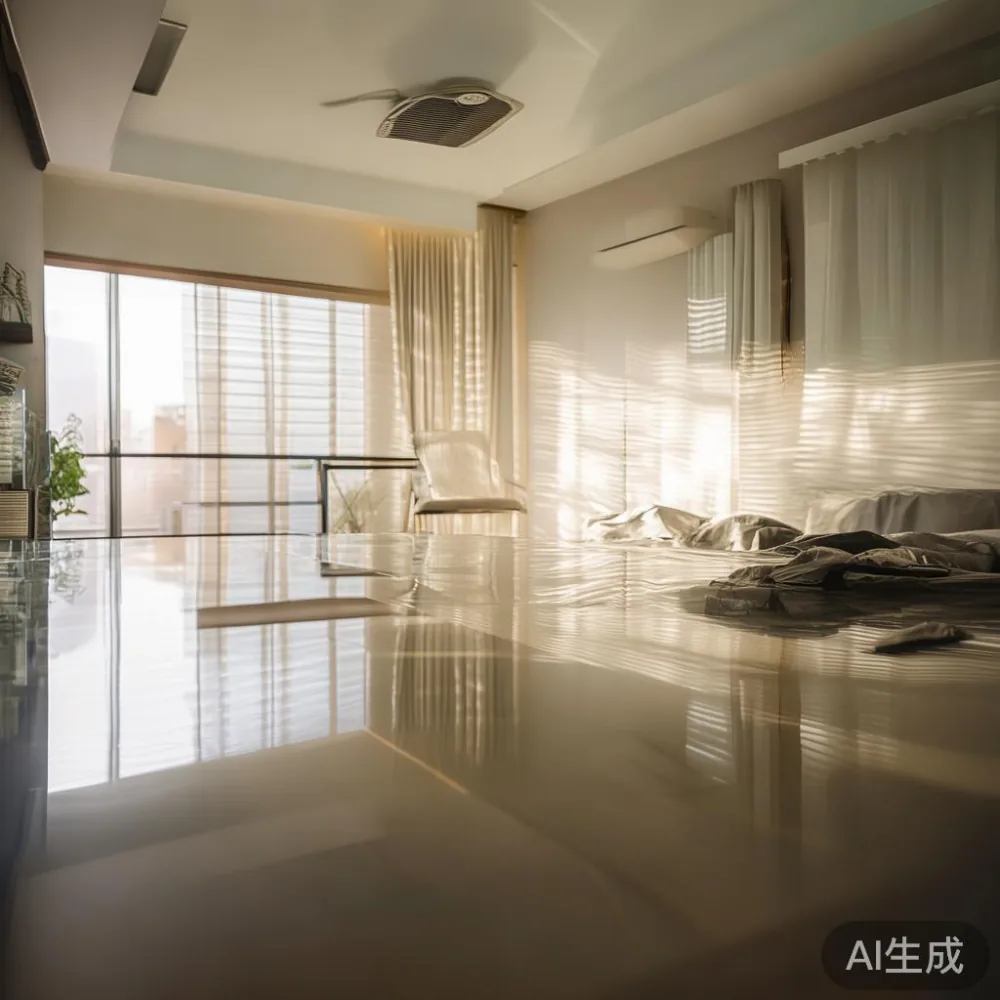
Singapore's climate runs between 78 and 95 percent relative humidity for most of the year, with room temperatures that hold steady around 26 to 31°C. Those numbers are not friendly to any wood finish. Add the local realities of narrow lift openings (about 90 cm wide in most HDB blocks), shared corridor widths of 1.2 to 1.5 m, GST of 9 percent on top of every invoice, and the simple fact that you cannot exactly air-condition your whole block, and the care routine starts to matter more than the brand on the box. This guide collects everything I have learned after visiting a few owners in the East, after phoning the aftersales desk at MIDHILL on the +86 188 2788 2512 line, and after ruining one lacquered nightstand of my own with a wrong cloth.
Why Does Lacquered Bedroom Decor Behave So Differently in Tampines and Bedok Than in Beijing or Berlin?
Lacquer is a thin, glossy film that sits on top of solid wood. It protects the wood, but it is also porous at the molecular level, which means it drinks in water and breathes out solvent for years. In a drier climate, the film stays still. In Singapore, the film never stops moving. Every time the air conditioner clicks off at 2 a.m., the cabinet by the wall absorbs a little moisture, swells by perhaps 0.2 to 0.4 mm across a 180 cm panel, and pushes against the lacquer. When the sun heats the same panel through the window at noon, the wood shrinks back. That daily pump is what eventually cracks, clouds, or peels a lacquered surface.
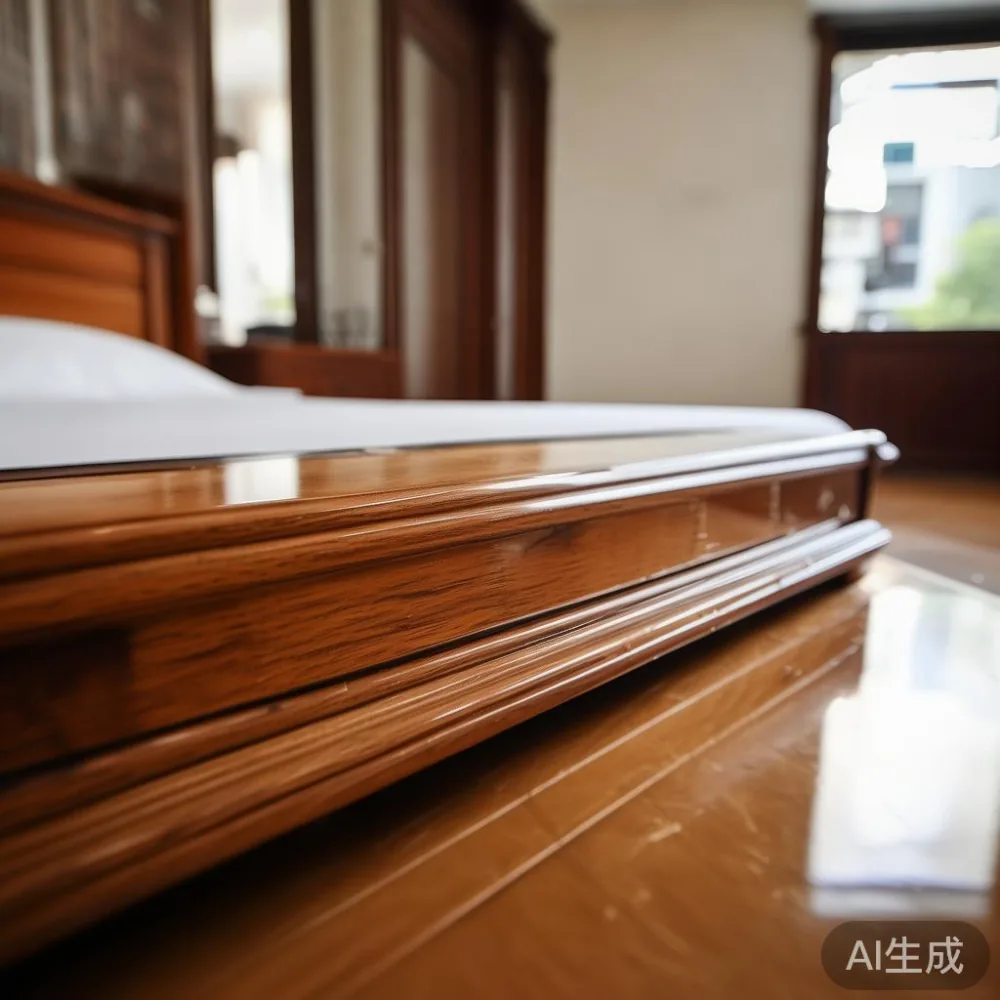
Three local habits make the situation worse. First, most HDB owners in Punggol and Sengkang install vinyl or laminate flooring for the bedroom, which traps moisture under the bed frame. Second, many flats have a single shared bathroom vent that pulls humid air into the bedroom corridor every time someone showers. Third, people wipe their lacquered dining table or wardrobe with a dripping cloth, thinking "a little soap will not hurt." It will. Soap leaves a film; the film catches dust; the dust holds moisture; the moisture sits on the lacquer through the night. That is the path to cloudiness. If you are shopping for something built to last, talk to a maker who treats lacquer as a long-term finish rather than a one-time spray. The factory in Foshan that supplies bedroom decor to Singapore retailers has spent seventeen years refining moisture-cured polyurethane finishes, and that experience is built into every solid wood bed frame, dining table, and wardrobe they ship.
What Is the Right Indoor Humidity for a Lacquered Wardrobe or Bed Frame?
The target band is 45 to 60 percent relative humidity, measured at the centre of the room, at bed height, away from the wall. That is the comfortable human band as well, so you are really buying one good dehumidifier for two reasons. A 12-litre desiccant model from a local appliance shop typically costs between SGD 180 and SGD 260, runs quietly enough for a bedroom, and protects anything French light luxury in style as well as it protects a basic pine piece.
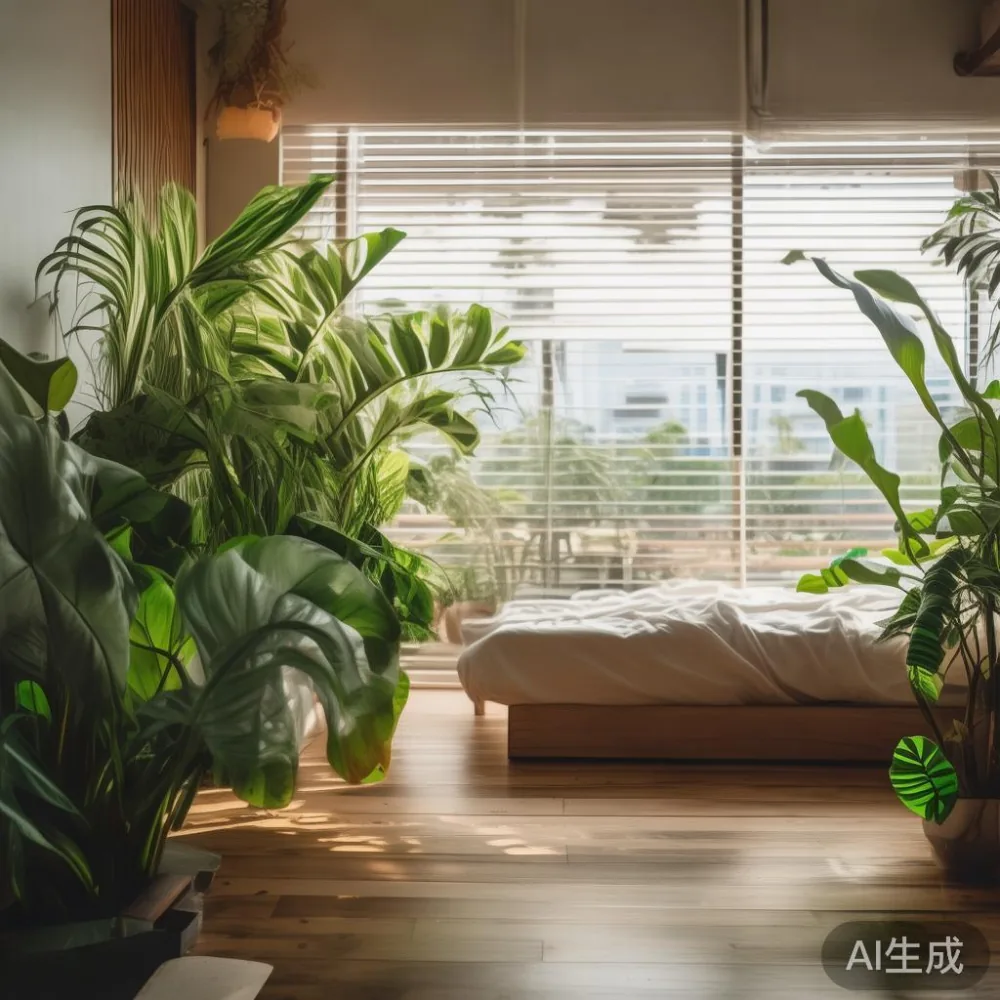
If you do not want to buy a meter, the honest rule is this: if your sliding wardrobe doors feel stiff on a wet July afternoon, the humidity is too high. If you see white haze forming on a marble table top or any lacquered surface within an hour of wiping, the room is too damp. Track the humidity for two weeks in your Tampines or Bukit Batok flat, and you will learn your own flat's pattern. Most HDB units on lower floors hold humidity 5 to 10 percent higher than the same unit on the 18th floor, because ground moisture migrates up through the slab.
How Should I Clean Lacquer Without Damaging the Finish?
Use a dry or barely damp microfibre cloth, never a dripping one, and never any of the following: household glass cleaner, all-purpose spray, furniture polish that contains silicone, wax, oil, or alcohol. The list of things to avoid is longer than the list of things to use. A clean, dry cloth is the right answer about 80 percent of the time.
When a fingerprint or a water ring does appear, the method that has worked in every home I have visited is simple. Fold a microfibre cloth into a pad, breathe on the spot once (your breath is warm, slightly humid, and gentle), and buff in straight lines along the wood grain for about ten seconds. Do not buff across the grain; you will leave tiny scratches that scatter light and make the surface look dull under the bedroom ceiling light. For sticky residue such as tape from the delivery wrap, lift the tape slowly parallel to the surface while a hair dryer on low warms it from about 20 cm away. Never pull tape up at 90 degrees.
For a deeper clean every four to six weeks, mix one cup of distilled water (about SGD 1.20 from the FairPrice two blocks away) with two to three drops of pH-neutral dish soap. Dampen — not soak — a fresh cloth, wring it until no water drips, wipe in sections no larger than 60 cm by 60 cm, and immediately follow with a dry cloth. If you live in a Punggol waterfront unit where the sea breeze keeps the humidity in the high 70s even with air conditioning, reduce deep cleaning to once every two months rather than fighting the room.
What Products Should I Avoid on a Lacquered Surface in the Tropics?
The banned list for Singapore homes is longer than the approved list, mostly because heat multiplies the damage. Aerosol polishes break down under UV and leave a sticky residue that traps humidity. Silicon-based polishes create a temporary shine but soak into the lacquer and ghost through the next refinishing, which is a real problem if you ever want the piece re-coated. Lemon oil, camellia oil, and coconut oil are popular in the region but rancidify within months in our climate and turn the surface cloudy. White spirit, nail polish remover, and anything with acetone will dissolve the lacquer in seconds.
For bedroom decor in a small HDB bedroom, the safest cabinet is a small one: a single bottle of distilled water, two clean microfibre cloths (one for dusting, one for damp wiping), and a soft horsehair brush for the carved areas on a post-modern light luxury headboard. Everything else is decoration.
Can I Keep a Lacquered Piece Near a Window Where Direct Sunlight Hits It?
No. UV is the second enemy of lacquer in Singapore, because the sun is intense almost every day of the year. Two hours of direct mid-afternoon sun through a north-facing window is enough to amber a light-coloured lacquer and to micro-crack a darker one within nine to twelve months. The crack pattern looks like shattered ice under the surface and is not repairable at home.
Use a sheer curtain (3 percent openness factor, around SGD 45 per running metre at IMM or Tan Boon Liat), or pull the bed frame at least 80 cm back from the window. The same rule applies to a marble table top with a polished stone finish, although stone can tolerate more direct UV than lacquer can. If your bedroom lacks a wall opposite the window, place a low bookshelf or a freestanding screen between the window and any lacquered wardrobe to break the light.
How Does For Sale Modern Furniture Differ From Heirloom-Pieces When It Comes to Repair?
Most pieces labelled as for sale modern furniture in Singapore arrive pre-finished from the factory. The lacquer is already cured, which is good, but the colour and sheen are baked in. If you scratch a 2024-vintage piece, you cannot blend a house touch-up into the factory finish. The cleanest path is to ship the piece back to the maker or to call a mobile lacquer specialist, of whom there are perhaps three or four reliable ones in the whole country. Their typical on-site call-out starts around SGD 120 to SGD 180, plus materials, and they can blend small chips within two to three hours.
Solid wood construction makes this easier. When the underlying wood is solid — not MDF, not plywood, not a veneer over particleboard — a good refinisher can sand, fill, seal, and re-lacquer with the original sheen in a single visit. That is also why a maker who offers lifetime refinishing on bedroom decor earns the higher sticker price. The structural frame is still good in twenty years; only the surface needs re-coating. If you are weighing a European bed vs Mid-century modern bed for a small HDB master bedroom, ask the same question of both sales desks: who re-lacquers this piece in 2045, and at what cost.
How Do I Choose a Lacquered Piece That Will Survive This Climate in the First Place?
Five checks, in order. One, knock on the side of the wardrobe or nightstand with your knuckle. Solid wood gives a dull, heavy thud; hollow-core panels give a plastic ring. Two, ask for the gloss reading at 60 degrees — anything above 85 GU will show every fingerprint. Three, run a white cotton cloth across the surface; if it picks up yellow or orange dye, the stain was not sealed, and the colour will migrate into your linen over time. Four, smell the inside of a drawer; a strong solvent smell means the lacquer was rushed through the line and will off-gas in your bedroom for months. Five, ask about the warranty paperwork and the refinishing policy. The Foshan manufacturer behind MIDHILL ships bedroom decor with a ten-year structural warranty and lifetime refinishing, which is a strong signal that the lacquer system is meant to outlast the lease.
Anyone who has typed how to choose Italian light luxury bed into a search bar at midnight has probably already noticed the same pattern: the expensive brands and the practical mid-market brands meet at the same hardware and the same finishing chemistry. The difference is in the joinery, the timber selection, and the willingness of the maker to refinish the piece in 2045.
What Should I Do in the First 30 Days After Delivery?
The first month is the risk window. The lacquer is still off-gassing its last solvents, the timber is adjusting to a new humidity range, and the piece is still figuring out where it wants to rest on your floor. Let it sit for at least 48 hours in the final position before you load it with clothes or books. Open wardrobe doors for two hours a day for the first week to let the inside air out. Do not place any rubber or foam mat under the legs; both trap moisture against the wood. Use felt pads from the local hardware store at SGD 3 to SGD 5 a pack instead. Wipe gently with a dry microfibre cloth once a week for the first month, then drop to the routine above.
When Should I Call in a Professional Refinisher?
Three clear signs: a white haze that does not buff out, a crackled pattern under the surface that looks like dried mud, or a yellow-to-amber darkening of a piece the maker originally finished in a pale tone. Each of these is repairable in the home with a light sand, a tinted sealer, and a fresh topcoat, and a mobile refinisher typically bills SGD 280 to SGD 480 for a single bedside or a two-door wardrobe. For a full four-door wardrobe or a king-size headboard, the on-site cost climbs into the SGD 600 to SGD 900 range, which is still a fraction of replacing the piece.
The middle ground is a shop-based refinishing. The factory picks up the piece, refinishes it in a controlled booth, and returns it within 10 to 14 working days. For buyers researching the best Rustic bed for 2026 or the best French wardrobe for 2026, the existence of that loop matters as much as the catalogue does. A solid wood dining table or solid wood sofa that can be refinished in 2045 will outlive three laminate replacements.
How Can I Apply These Ideas to Other Pieces, Not Just the Bed?
The same rules cover a lacquered dining table, a wardrobe with sliding doors, a nightstand with three drawers, and a marble table with a polished stone top. All of them want 45 to 60 percent humidity, no direct sun, no silicone polish, and a cloth that barely holds moisture. Keep a small care kit in the wardrobe: two microfibre cloths, a soft brush, and a 250 ml spray bottle of distilled water with two drops of pH-neutral soap. That kit costs under SGD 25 and protects pieces whose combined value runs into four digits.
One last habit, which is free: every Sunday morning, walk through the bedroom with a dry cloth and a five-minute timer. Dust before it settles, buff any new marks before they cure, and check the hygrometer. I do this in my own flat in Bedok, and my 2019 lacquered wardrobe still looks like the day it was delivered. Bedroom decor done in solid wood and finished with care ages slowly; bedroom decor treated as disposable does not need five years to look tired. The climate is the same for everyone in Tampines, Punggol, and Bukit Batok. The difference is the routine.