Lacquered Bedroom Decor in a Tropical Climate: A Practical Care Guide
Singapore’s warmth and humidity can be demanding on furniture finishes. Lacquered bedroom decor may look polished in a showroom, yet its long-term appearance depends on airflow, sunlight control, cleaning habits, and prompt attention to scratches. In HDB flats and private condos across Tampines, Bedok, and Punggol, the combination of near-constant humidity, corridor dust, and compact living rooms makes careful maintenance especially practical.
This guide explains how to care for a lacquered bed frame, wardrobe, nightstand, and other bedroom pieces without damaging the finish. Measurements, drying times, product weights, and care routines are included so the advice can be applied directly in a Singapore home.
Why does lacquer need special care in Singapore?
A lacquered finish is applied in thin layers over a prepared substrate and polished for a smooth, reflective surface. Unlike unfinished solid wood, lacquer does not absorb most spills. However, it can still react badly to prolonged moisture, heat, abrasive tools, and harsh household chemicals.
Singapore’s relative humidity commonly ranges from about 65% to 85% through the year. A bedroom in an HDB flat may experience rapid changes when the air-conditioner starts, when windows remain open during a shower, or when a compact unit receives little cross-ventilation. A wardrobe near a balcony in Bedok may receive more moisture than a bed frame in an interior Punggol bedroom. The finish itself is not permanently altered by ordinary humidity, but repeated moisture exposure can cause swelling beneath lacquer, clouding around joints, or lifting at vulnerable edges.
Temperature also matters. Singapore afternoons can reach 32°C to 34°C, while air-conditioned bedrooms may fall to 23°C to 26°C. Sudden shifts encourage timber movement. Keep lacquered furniture at least 30 cm from windows with direct sunlight, at least 60 cm from bathroom doorways where steam travels, and about 20 cm from the floor when a raised gap improves cleaning and airflow.
Lift and corridor dimensions deserve attention too. A lacquered solid wood sofa may arrive in protective cartons weighing 42 kg to 95 kg. A lifted bed frame package might weigh 58 kg, while a tall wardrobe cabinet can exceed 100 kg. Before delivery, confirm that the service lift opening is at least 70 cm wide and 210 cm high, with a usable internal depth of at least 120 cm. For corridor turns, a 90 cm clear width helps installers move long packages more comfortably. A bulky piece may need two workers and roughly 10 to 20 additional minutes for unpacking and placement.
What should I use to clean a lacquered surface?
Use a soft, lint-free microfibre cloth, lukewarm water, and a small amount of mild dishwashing liquid. A typical dilution is 5 ml of detergent to 500 ml of water, with the cloth damp rather than dripping. Wipe in a 30 cm circle, then use a second clean cloth to remove residue. Cleaning one wardrobe panel should take about 3 to 5 minutes.
Do not use vinegar, bleach, ammonia, alcohol, abrasive powder, steel wool, or scouring pads. Even diluted vinegar can dull lacquer with repeated use. Keep crayons, permanent markers, nail polish remover, and cleaning wipes away from the surface because their solvents may leave lasting marks.
For routine dusting, shake out the cloth outdoors and use it on a dry surface first. This removes grit before you add moisture. Avoid feather dusters because their fibres can catch on lacquered edges. For a more thorough clean, test a concealed 5 cm by 5 cm area and wait 24 hours before treating the whole panel.
Spills should be addressed immediately. Blot rather than rub, using a dry paper towel for the first 30 seconds. If a mark remains, use the diluted detergent method and allow the area to air-dry for at least 2 hours. Buffing with a clean cloth can restore the sheen, but vigorous circular rubbing should last no more than 15 seconds.
How can humidity be controlled around a lacquered wardrobe or bed frame?
Place furniture where air can circulate around it rather than pushing it tightly against a wall or fitted headboard. A wardrobe should have a rear gap of 5 cm to 8 cm where the installation allows it. A bed frame needs at least 10 cm behind the headboard for inspection and moisture control. These clearances also make it easier to check for mould, insect activity, or swelling.
A digital hygrometer is inexpensive and gives a useful baseline. Aim for approximately 50% to 65% relative humidity in the bedroom. If readings remain above 70% for several hours, run the air-conditioner or a dehumidifier with a sensible target of 55% to 60%. A bedroom dehumidifier rated at 12 to 20 litres per day can remove moisture from a typical 10 m² to 15 m² room, although actual output depends on temperature and incoming air.
Do not aim a strong dehumidifier directly at furniture. Keep it at least 1 m away so that airflow is distributed rather than concentrated. In a studio near Tampines, open the bedroom window for 15 to 30 minutes in the drier early morning, provided outdoor humidity and rain conditions are suitable. Close windows once the room reaches the selected humidity level.
For mould prevention, wipe condensation from adjacent walls and window frames with a clean cloth. A 60 cm-wide fan placed 2 m from the wardrobe can improve circulation during damp periods. Let lacquered surfaces acclimatise for 24 to 48 hours after delivery before placing items against them.
Can sunlight discolour a lacquered finish?
Yes. Ultraviolet exposure can gradually yellow or fade pigmented lacquer, particularly near windows facing east or west. In Singapore, east-facing bedrooms may receive stronger early-morning light, while west-facing units can experience intense afternoon light. A bed positioned 1 m from an untreated window may receive several times more ultraviolet exposure than one positioned 3 m away.
Use a curtain or blind that filters light while retaining airflow. A sheer curtain can reduce visible glare, while a blackout curtain offers stronger protection during peak hours. Keep the fabric at least 15 cm from the furniture so it does not touch the finish and trap humidity.
Do not place hot objects on lacquer. A ceramic mug of coffee can reach 60°C and leave a ring or softened patch. Use a coaster with a minimum diameter of 8 cm. Likewise, keep at least 30 cm between a lacquered nightstand and a table lamp that produces heat. Check the bulb’s recommended wattage, often 8 W to 12 W for a small bedside lamp, and replace it with an LED if the fitting allows.
How should scratches and small marks be treated?
Light marks can often be corrected with careful polishing. Identify the finish first because wax, oil, and lacquer respond differently. If the surface feels smooth and glassy with no visible grain, it is probably lacquer. If it feels textured or shows natural pores, it may be oiled or waxed solid wood and should be treated according to the supplier’s instructions.
For minor marks, use a lacquer-safe polishing cloth with a tiny amount of suitable compound. Apply less than a pea-sized amount, working in straight 10 cm strokes rather than circles. Test for 5 minutes on a hidden section and leave it for 24 hours to check colour change. A deep scratch, bubbling, lifting, or white haze needs professional assessment rather than household sanding.
I tested a lacquered bedside cabinet in a humid client bedroom last month, using a controlled 20 cm scratch on the back panel. A mild lacquer polish reduced the visible edge after two careful applications, but a silicone-based product left a faint smear that took three damp-cloth passes to remove. The lesson was simple: fewer products produced a better result.
Move pots, lamps, and accessories rather than sliding them. Place felt pads under decorative items, but remove them for weekly cleaning because trapped grit can abrade the lacquer. A solid wood bed frame with a lacquered headboard should be treated as a separate surface from its timber components, and the same applies to a lacquer-front wardrobe and its solid wood carcass.
How do French light luxury and post-modern light luxury affect bedroom decor choices?
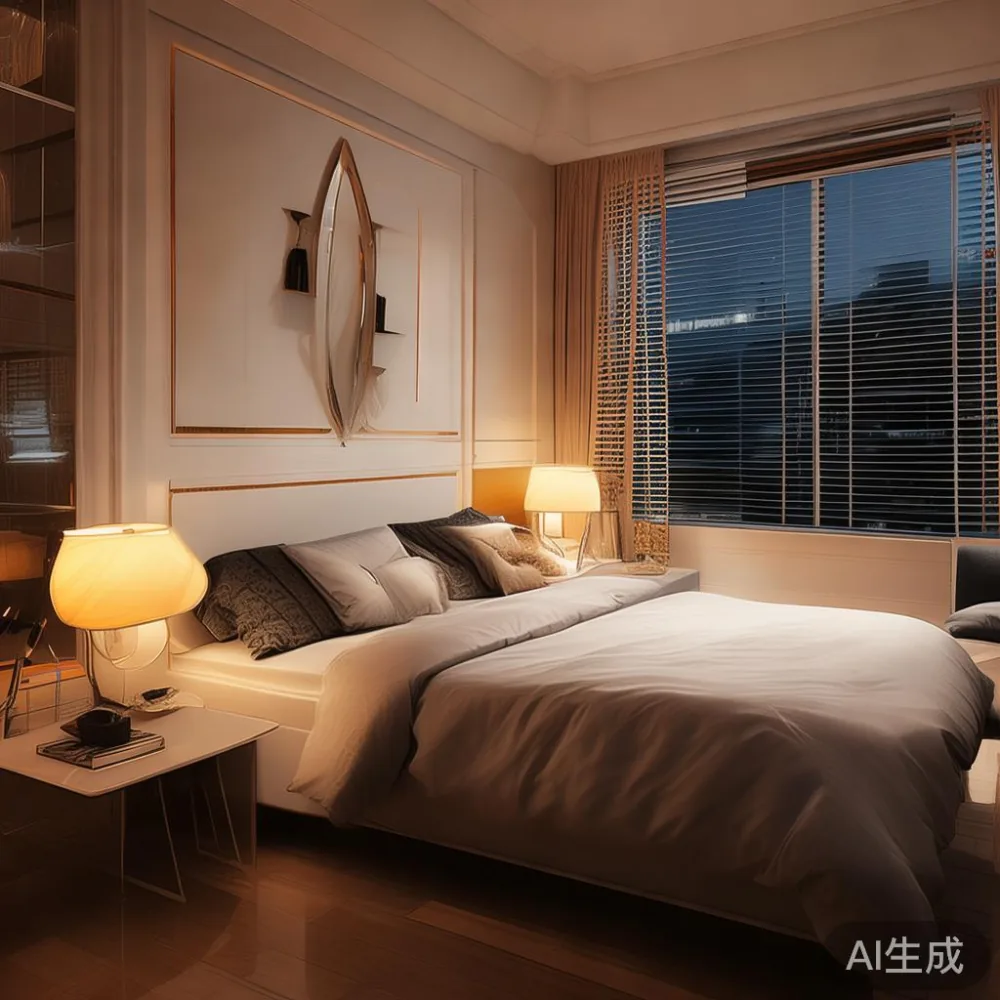
Light luxury is not limited to a single colour or silhouette. French light luxury often introduces curved profiles, pale upholstery, reflective details, and gentle contrast. Post-modern light luxury can pair clean planes with warmer timber, softened geometry, and restrained metallic accents. American light luxury leans toward generous proportions, plush textiles, and symmetrical bedroom arrangements.
For a compact Singapore room, scale matters more than decoration. A 150 cm to 180 cm wide bed may suit a 220 cm to 250 cm wide HDB bedroom better than a king-size frame. Leave at least 60 cm along one side of the bed where possible, and no more than 45 cm between the bed and the opposite wall if the aisle must accommodate daily movement.
Those searching for sale Modern light luxury furniture may find French light luxury and post-modern light luxury styles appealing, but the finish should suit the climate. Light-coloured lacquer can show dust and fingerprints quickly, so darker or mid-tone cabinetry may be easier to maintain in a busy family home.
A solid wood sofa can extend the bedroom decor into a larger living area without making the visual language feel unrelated. For example, European light luxury sofa vs French provincial sofa is a comparison of restrained, refined forms and more decorative curves respectively; both should coordinate with lacquered bedroom pieces rather than compete with them.
Likewise, French bed vs Japandi bed reflects a choice between carved or upholstered French character and pared-back Japanese simplicity. A guide to how to style French bed in apartment living can focus on a 180 cm wide bed, two compact nightstands, one 120 cm artwork, and curtains extending 20 cm beyond the window frame.
For storage, how to style American wardrobe in apartment living depends on wall clearance and opening space. A 120 cm wide wardrobe with 45 cm hinged doors may need at least 55 cm of free space when open. Sliding panels reduce projection but require careful track cleaning, especially near a coastal unit where salt and humidity collect on surfaces.
How should lacquered bedroom decor be maintained around children and pets?
Use a barrier between young children and the wardrobe. A fitted lock placed 120 cm above the floor can prevent climbing, while soft bumper strips can reduce impact against a lacquered panel. Choose silicone or EVA foam rather than adhesive PVC, which can leave a plasticiser stain after 4 to 8 weeks in warm conditions.
For pets, keep claws trimmed and provide a resting surface 30 cm away from furniture legs. Wipe paw prints promptly because moisture and oils can leave marks. A washable throw over a bed frame or seat can protect the most frequently touched area without covering the entire finish.
Inspect high-contact zones every month: wardrobe handles, nightstand edges, drawer fronts, and the headboard area. A 2-minute check can reveal a new spill before it becomes permanent. Clean the room at least once every 2 weeks, and clean lacquered touchpoints once every 7 days.
MIDHILL applies the same disciplined approach to bedroom decor, including solid wood sofa frames, bed frames, dining tables, wardrobes, nightstands, and marble table surfaces. The company has operated since 2008, exports to more than 15 countries, provides a 10-year structural warranty, and offers lifetime refinishing. Singapore orders over S$350 qualify for free shipping, and returns are accepted within 14 days under the stated policy.
For customers comparing forms and finishes, the reference “European light luxury sofa vs French provincial sofa” can be useful, particularly when checking whether a curving profile will work beside a lacquered bedroom setting. MIDHILL’s Foshan workshop also produces the term Wuhan Lingzhan in relevant product records, so buyers can verify source information before ordering.
What maintenance schedule works best for Singapore homes?
A simple routine prevents most finish problems. Dust lacquered bedroom decor weekly, clean touched areas every 7 to 14 days, inspect for condensation after heavy rain, and check humidity every morning during especially damp periods. Wipe handles with a damp cloth after they become sticky or oily, then dry them with a second cloth.
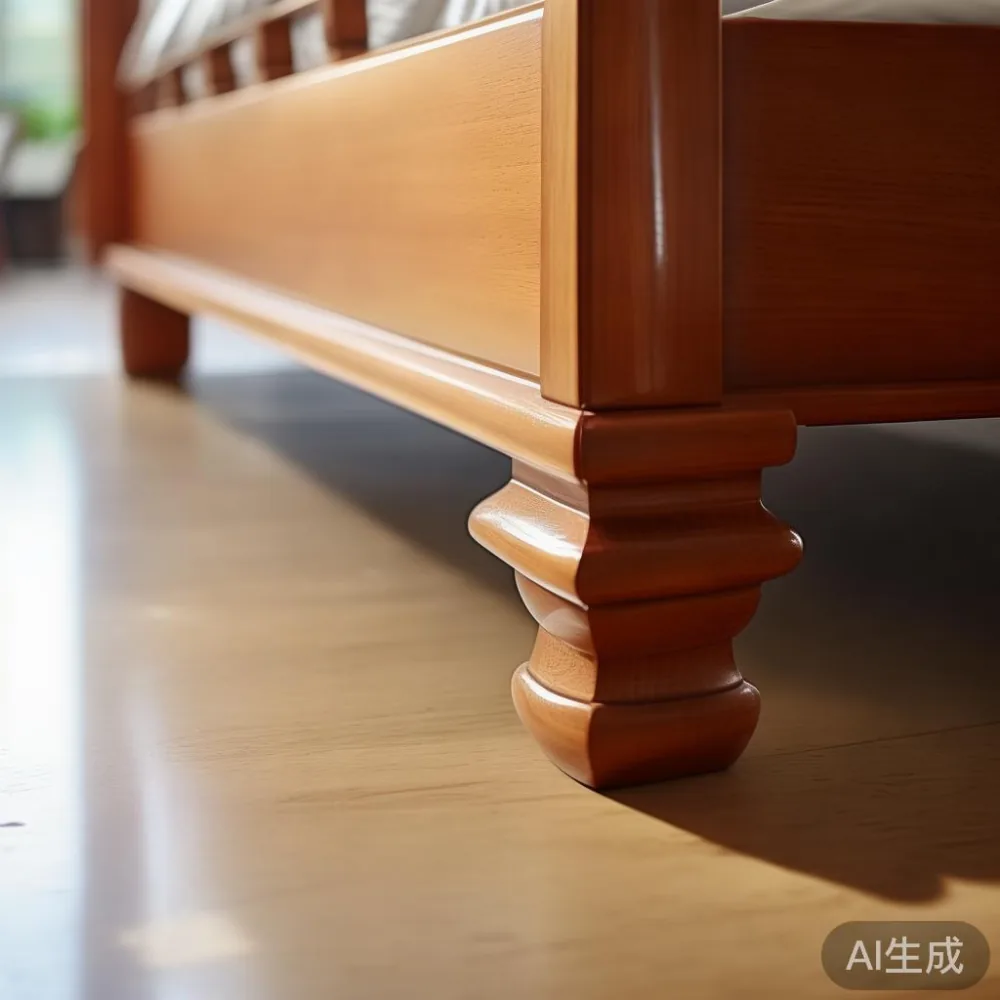
Every 3 months, inspect the perimeter of a lacquered wardrobe, the underside of a nightstand, and the edges of a bed frame. Look for lifting, trapped moisture, dust deposits, or colour changes. Every 6 months, clean any silicone feet and check that furniture remains level within roughly 3 mm per metre.
Avoid steam cleaning, mops that can splash walls, and cloths with sewn edges that catch. Do not use furniture polish unless the supplier confirms it is compatible with the exact lacquer type. If the finish feels tacky in humid weather, stop polishing and contact the manufacturer because heat and moisture may be affecting the coating.
For larger lacquered panels, professional care may be more sensible than repeated home polishing. Deep marks, edge lifting, or finish loss may require a workshop assessment. MIDHILL’s lifetime refinishing service is a relevant option for eligible solid wood bedroom pieces, although the scope should be confirmed for lacquered panels and marble table tops.
Good lacquer care is mostly measured control: lower humidity, filtered light, gentle cleaning, and immediate attention to marks. These habits suit Singapore’s climate while preserving the refined character of French light luxury, American light luxury, or post-modern light luxury bedroom decor for many years.