Humidity, HDB Interiors and Solid Wood: A Practical Guide for Singapore
Singapore’s climate can change the dimensions, finish and daily feel of solid wood furniture. In an HDB flat in Tampines, a bed frame may be affected differently from a wardrobe in Bedok or a dining table in a Punggol condo because window exposure, ventilation, lift access and the time the piece spends near an air-conditioned wall all differ. Yet the underlying issue is familiar across Southeast Asia: warm, moisture-rich air enters the home, wood responds slowly, and repeated cycles can cause movement that is visible at the joints and along finished surfaces.
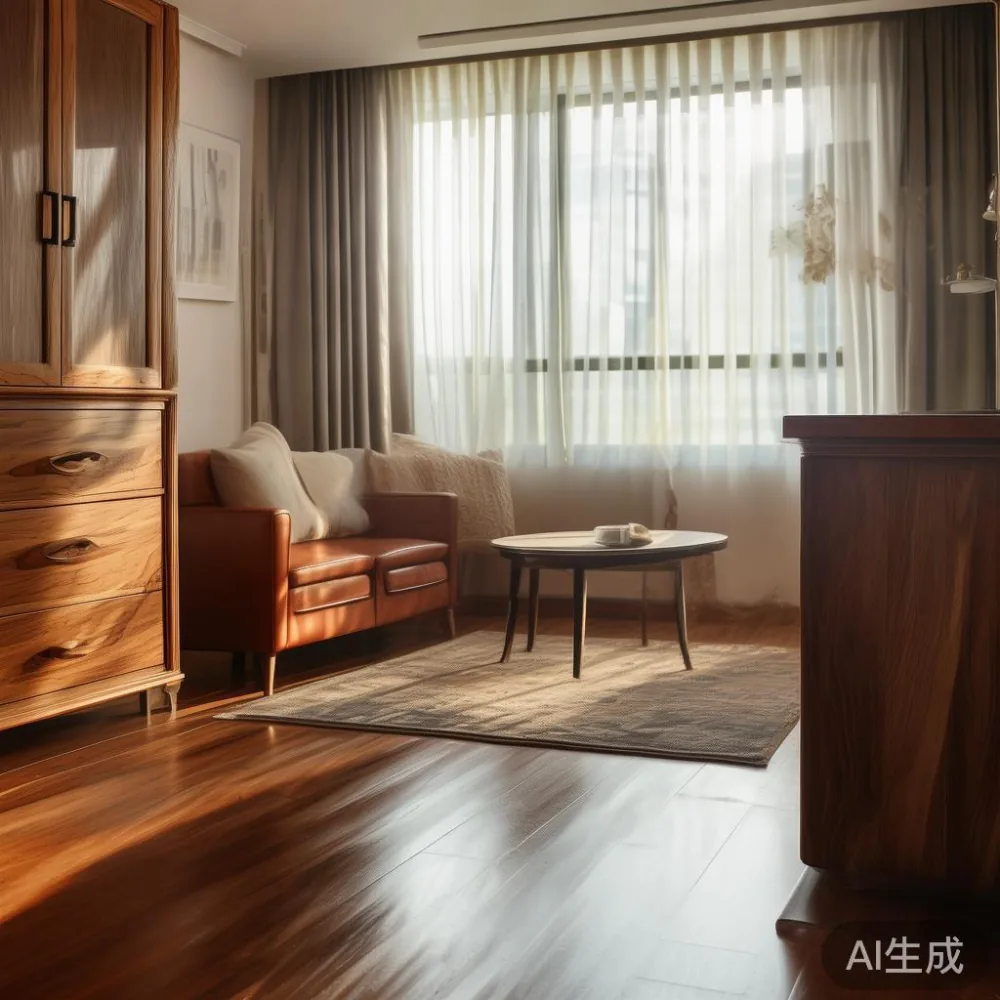
This guide explains how relative humidity affects bedroom decor, where moisture problems tend to appear and which practical habits protect furniture without making interiors feel sealed off. It also considers the realities of Singaporean access: a 10 cm delivery gap, a 90 cm lift door or a narrow corridor can determine whether a large wardrobe or solid wood sofa can enter safely. Prices below use SGD, including the 9% GST where applicable, and delivery timing begins after production or stock confirmation.
How does humidity affect solid wood furniture in Singapore?
Wood is hygroscopic. It absorbs moisture when relative humidity rises and releases it when the air dries. The movement is small in percentage terms, but a 210 cm solid oak bed frame can expand by several millimetres across its width; a 180 cm dining table can develop a slight crown if one face dries faster than the other. Seasoning reduces the severity of movement, but it cannot make wood immune to the environment.
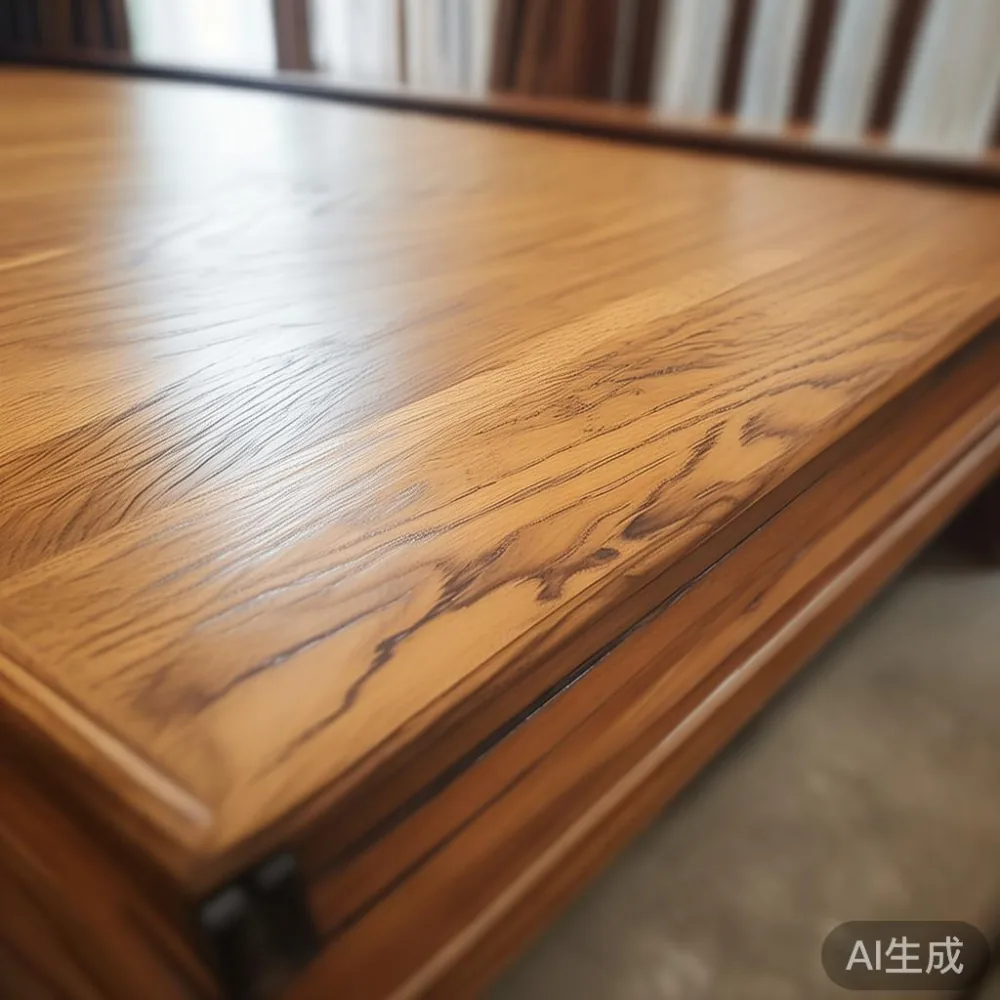
Singapore’s outdoor humidity commonly reaches 75–85% during wet periods, while an air-conditioned bedroom may sit near 50–60%. These changing readings matter more than a single morning measurement. A wardrobe beside a balcony in Punggol may see a wider daily range than one installed in an interior corridor. A nightstand near a bathroom may encounter short bursts of dampness, while a bed frame under a bedroom window may experience heat and humidity together.
Typical warning signs include gaps at wardrobe doors, drawers that feel tight, a faint hollow sound in a solid wood sofa frame, or a chalky haze on pale finishes. Small changes need not indicate defective timber. The more useful question is whether movement is stable and proportionate. Swelling, then shrinking, as seasons change can distort joinery over several years. Persistent dampness can also encourage mould around the base of a wardrobe or beneath loose bedroom decor.
What humidity level is safest for wood furniture?
A relative humidity reading around 45–55% is a practical target for most wooden interiors. In Singapore, that range often means using the air conditioner regularly, operating a dehumidifier in enclosed rooms and allowing furniture to acclimatise before use. A digital hygrometer placed 30–50 cm above the floor can provide a useful reference. Its reading should be checked at different times: one measurement at noon does not reveal overnight humidity near a window.
Keep direct moisture away from wood. Bedroom decor should not include damp towels touching a wardrobe, indoor plants placed directly on a solid wood nightstand, or unsealed containers of water on a dining table. A minimum clearance of 5–10 cm from an exterior wall is sensible where space allows. Air should circulate around tall furniture, so a 3–5 cm gap behind a wardrobe can help drying, although the installation instructions should take priority.
Cleaning routines matter too. Wipe a surface with a soft, slightly damp cloth and dry it immediately. Avoid soaking timber, spraying cleaner directly into grain joints and leaving a bedroom door shut while an overloaded clothes dryer is running. For a marble table, use a pH-neutral cleaner appropriate for stone. Moisture does not affect marble in the same way as wood, but water at the base can stain adjacent wood or damage protective treatments.
Do not chase a constant number at the expense of comfort. Air-conditioning set to 24–26°C can often bring a room into the desired range. During very wet afternoons, running a dehumidifier for 2–4 hours may be enough. The aim is not artificial dryness but fewer repeated expansion-and-contraction cycles.
How should I prepare a solid wood bed frame for humid weather?
Solid wood bed frames should arrive acclimatised to the room’s conditions. A rectangular frame of 160 × 200 cm may be manoeuvred through a standard HDB bedroom door measuring roughly 80–90 cm, but the route also includes corridors, lift lobbies and door turns. Before delivery, confirm the frame’s largest fixed dimension, lift door width and the narrowest corridor point. Allow at least 5 cm of clearance rather than relying on an exact fit.
Once inside, remove the packaging gradually. Heavy protective wrapping may slow surface drying, so open the top and sides first. Let the frame rest for 24–72 hours in its final position before tightening any assembly hardware. If the room has just been painted or carpeted, wait until those materials are properly dry. Keeping the frame 10–15 cm from curtains and blinds improves airflow and reduces edge condensation.
For buyers comparing designs, a French light luxury solid wood bed frame with gentle curves may suit a compact Tampines bedroom, while a post-modern light luxury model with straight lines can work well in a larger Bedok condo. Structural quality remains more important than styling: look for through-tenon joints, solid side rails and hardware that allows controlled tightening. The warranty offered by MIDHILL covers structural issues for 10 years, but environmental care remains the owner’s responsibility.
Can a wardrobe tolerate Singapore humidity without warping?
A well-made wardrobe can tolerate Singapore humidity when its timber is seasoned, its panels are designed to move and its installation allows airflow. In HDB flats, wall-to-wall wardrobes are common because space is valuable. A 150 cm unit with sliding doors may cause less visual distortion than hinged doors that need to swing into a narrow bedroom. However, sliding systems still need straight tracks, and the carcass must be anchored appropriately.
For clients comparing European and local production options, the MIDHILL European light luxury wardrobe name can draw attention to finish and proportion, but buyers should still request specific timber and construction details. Check whether back panels are solid or engineered, how shelves are supported, and whether doors have adjustable hinges. A designer Modern light luxury furniture brief might favour slim frames and pale veneers, but a solid wood interior may offer more long-term repair options.
During installation, leave clearance recommended by the maker, usually 2–5 cm at the top and around large panels. Seal cut edges, especially in new construction, and avoid trapping wet building materials inside the carcass. If a wardrobe is next to a HDB service yard or bathroom wall, inspect it every 3 months for condensation marks. Good ventilation matters even where a room is frequently air-conditioned.
Will humidity damage a solid wood sofa or upholstered seat?
Humidity affects a solid wood sofa through its frame, while foam, fabric and webbing respond through their own materials. A timber base may absorb moisture if it sits against a damp wall or floor. Upholstery can develop condensation, musty odours or mildew if ventilation is poor. Cushion covers should be removed and aired for 2–3 hours when the room is humid.
A low-profile French light luxury solid wood sofa can fit a living room without overwhelming it, while a light blue luxury sofa can brighten a room with limited natural light. In a HDB living room, maintain around 10 cm behind the sofa when possible and keep it away from exterior walls that transfer condensation. If the seat sits directly on floor tiles, use a moisture-resistant pad that does not trap water.
Buyers looking for broader design guidance may search for top 10 Boho furniture ideas, then adapt them to humidity and room dimensions rather than copying an image exactly. Natural rattan, light textiles and timber combine well in this style, but loose woven pieces should not be repeatedly dampened. A light luxury accent chair needs the same care: its wooden legs should not drag across wet tiles, and its seat should not touch curtains where condensation collects.
Performance should be checked before purchase. Ask for the frame material, foam density, fabric composition and fabric-cleaning code. A frame heavier than 70 kg may require at least 2 delivery workers and a clear route to the lift. Delivery inside the lift lobby is included in some quotations; carry-in beyond the lift may be quoted separately because HDB corridors often narrow to 90–110 cm.
How does humidity affect a dining table and marble table?
A dining table is often exposed to the largest daily swings: warm air from the kitchen, air-conditioning during meals and accidental spills from glasses or serving dishes. Solid wood tops may develop minor surface movement over time. Wipe spills within 2 minutes and use coasters or trivets with a minimum diameter of 8 cm. Do not place a hot bowl directly on the timber; even a mild heat ring can remain visible on some finishes.
Marble behaves differently. A marble table does not expand like timber, but acids and standing water can dull or etch its surface. Wipe acidic liquids such as wine, vinegar and citrus juice promptly. The stone also needs a stable support; uneven stress can crack a top, so check all four legs after moving it. Keep a 180–200 cm table at least 20 cm from curtains and ensure each place setting has enough elbow room, ideally 60 cm.
In a condominium dining area, avoid placing either table beside a floor-to-ceiling window where rain-driven humidity reaches the surface. A light luxury accent chair nearby should have felt or protective pads beneath its legs. For lower maintenance, a dining table with a sealed finish can be wiped more easily, while natural oil finishes may need attention every 12–24 months depending on use and light exposure.
What should I check before delivery to an HDB flat or condo?
Measure the complete route, not only the bedroom door. Record the lift car dimensions, lift door width, corridor width and any turns. A sofa with a 215 cm length may need to turn at 90 degrees, while a wardrobe may require partial assembly. Ask the supplier whether consignment is curbside, lift-level or room-of-choice. In Singapore, standard lift-lobby delivery may take 1–3 days after confirmation; longer production schedules can range from 30–60 days.
Check the moisture content of solid wood where the supplier provides it. For furniture intended for Singapore’s climate, a target around 8–12% is commonly used, though the correct figure depends on service conditions. Confirm that hardware and finish are documented. MIDHILL provides a 10-year structural warranty and lifetime refinishing support for qualifying products, which can be useful when restoring a surface after years of tropical use.
Cost planning should be equally specific. A typical wardrobe may fall between SGD 1,200 and SGD 3,500; a solid wood bed frame from SGD 800 to SGD 2,500; and a dining table from SGD 900 to SGD 2,800. Premium solid wood sofas may range from SGD 2,500 to SGD 6,500. Prices vary with timber, dimensions and finish, and 9% GST applies. Free shipping is offered on qualifying orders above US$350, or its Singapore-dollar equivalent after currency conversion, so request the exact local total before placing an order.
How can I tell whether a furniture problem is caused by humidity?
Start with a pattern. A gap that opens during wet weeks and closes during drier periods suggests moisture movement. A crack aligned with a joint, mould at a hidden base or softened timber indicates prolonged dampness. Odours and damp upholstery are more immediate clues. A digital moisture meter can help screen suspect areas, but readings from the surface do not replace proper inspection of hidden edges.
Do not sand or refinish a swollen panel immediately. Let the piece return to a stable indoor condition for 1–2 weeks and consult the maker if movement exceeds the expected allowance. Photograph the issue with a ruler beside it and keep a note of humidity readings and weather conditions. That record helps distinguish climate-related movement from a loose joint, impact damage or faulty assembly.
For a larger assessment, visit the home last month and examined a solid oak dining table in a Tampines condo where the air conditioner had been switched off for 8 hours. The table had developed a shallow cup of roughly 0.8 mm on one side. After 5 days of 24–26°C air-conditioning, the difference reduced to 0.2 mm, and the customer then placed the table on a level hardwood base. The episode did not suggest poor timber; it showed how a single dry, hot surface and uneven indoor conditions can exaggerate normal seasonal movement.
The most dependable approach combines measured humidity, sensible ventilation and stable placement. Keep reading around 45–55%, wipe water promptly and leave room for wood to move. With those habits, solid wood furniture can remain handsome and serviceable for many years in Singapore’s demanding climate.