How to Care for Lacquered Bedroom Furniture in Singapore’s Tropical Climate
Humidity, heat and daily hand contact can make lacquer look dull faster than most owners expect. In Singapore, a lacquered solid wood bed frame may absorb changes in moisture around its joints, while a wardrobe near an HDB bedroom window can collect condensation after an afternoon downpour. Good care does not require specialist equipment: it requires a measured routine, sensible placement and the right cleaning products. This guide explains how to protect lacquered bedroom decor in HDB flats and condos across Tampines, Bedok and Punggol without turning maintenance into a full-day project.
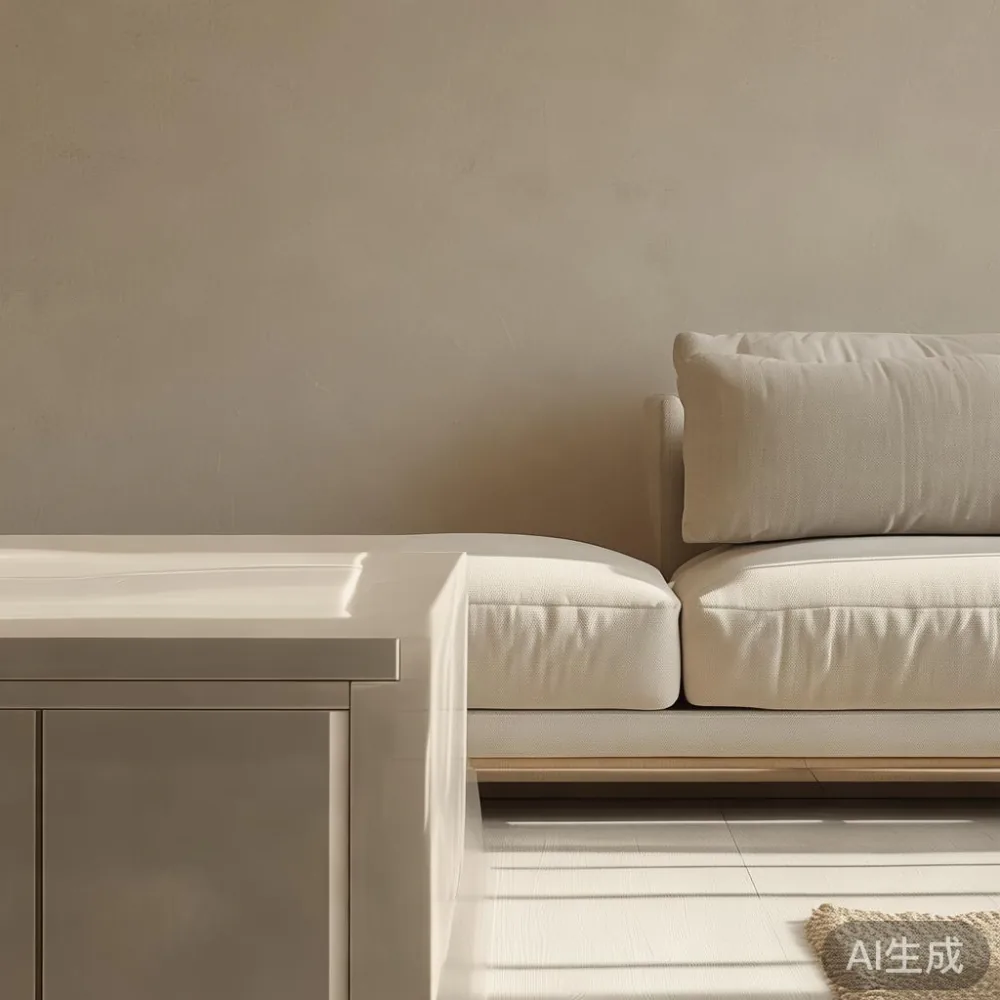
For light-luxury interiors, lacquer offers a controlled contrast with grain-rich timber. French light luxury often balances painted furniture with refined details, while American light luxury favours clean profiles and generous upholstery. Against that backdrop, care should support the finish rather than make the room feel clinical. MIDHILL applies the same practical discipline to lacquered surfaces as it does to solid wood construction, supported by a 10-year structural warranty and lifetime refinishing service.
What makes lacquer vulnerable in Singapore?
Lacquer is a cured surface coating, not the same thing as solid wood. It can handle normal use well, but it dislikes three recurring threats: prolonged dampness, abrasive grit and harsh chemicals. Tropical evenings keep relative humidity high, and a lacquered wardrobe or nightstand may experience repeated cycles as warm air enters a bedroom and cooler air settles around the timber.
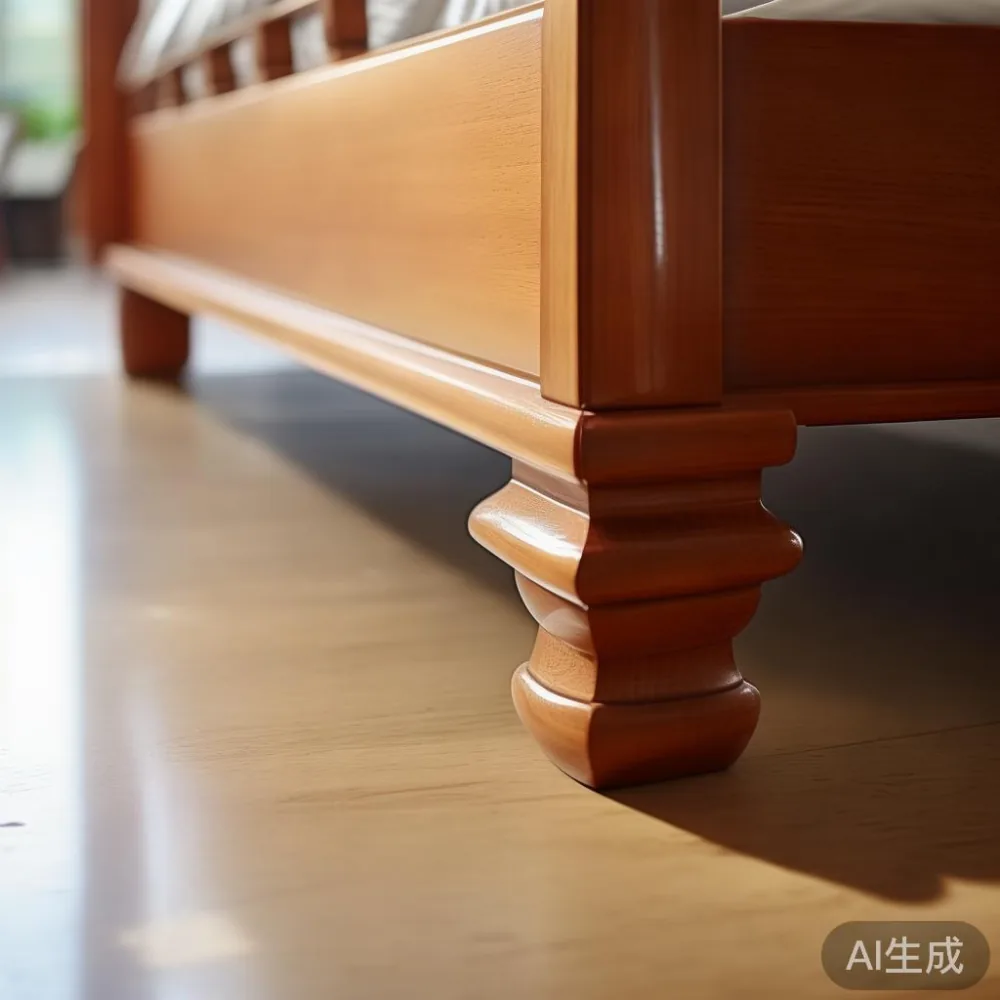
A practical baseline is to keep relative humidity between 45% and 65% where possible. The exact reading will vary by HDB unit and level, but a low-cost hygrometer can show whether a wardrobe near a window is regularly exceeding that range. Aim for air movement rather than aggressive dehumidifying. Set the room temperature near 24°C at night, leave 10–15 cm between tall furniture and the wall, and avoid placing lacquer directly beside an air-conditioning outlet.
Sunlight is another factor. UV exposure can pale a finish over time, particularly on a dark lacquer. A solid wood bed frame positioned beside a west-facing window may receive 2–4 hours of direct afternoon light. Curtains rated for 60%–80% UV blocking can reduce that exposure while preserving daylight. In a compact Tampines flat, a pale bed frame may also reflect more light than a dark one without changing the room’s dimensions.
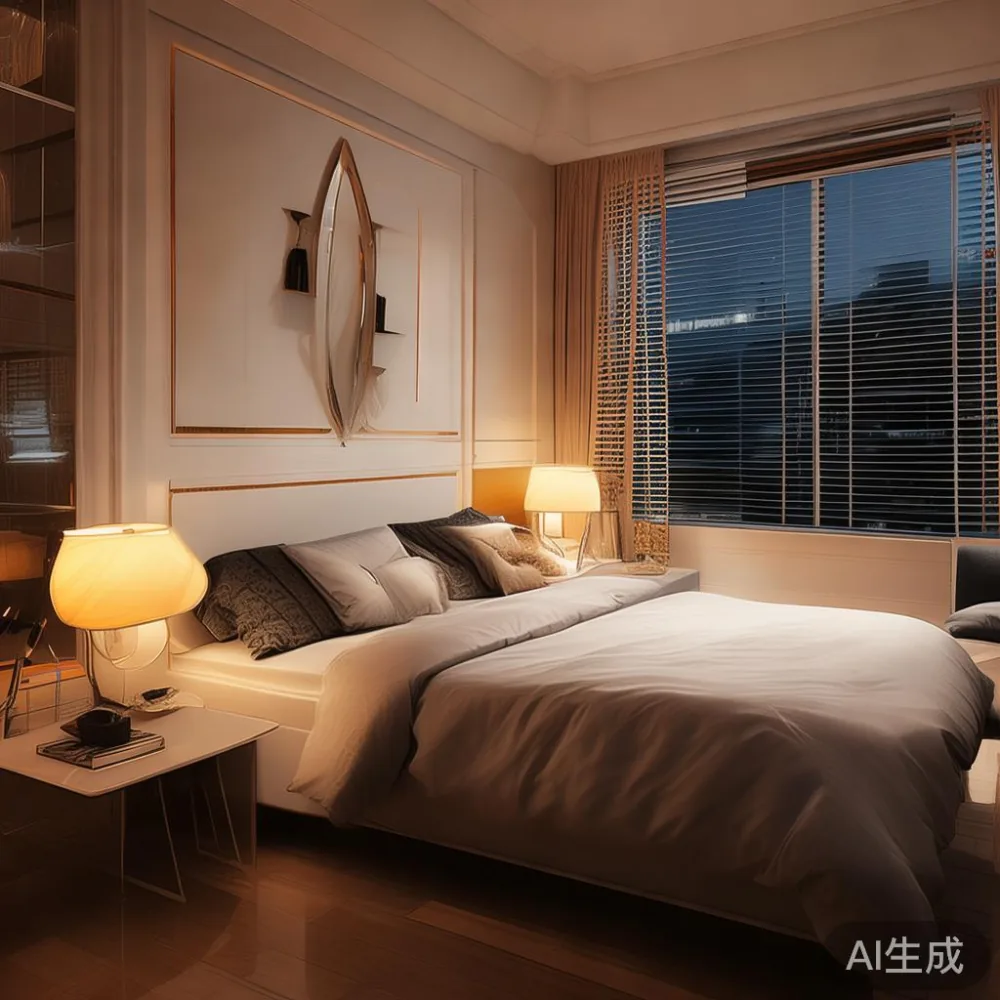
How should I clean a lacquered bed frame or wardrobe?
Use a dry microfibre cloth for routine wiping, then lightly dampen a second cloth with plain water. Wring it until it releases only a few drops: a properly damp cloth should leave no visible water on the lacquer. Test an area of roughly 10 cm × 10 cm for 24 hours before cleaning the full surface.
For marks, dilute pH-neutral dishwashing liquid by mixing about 5 ml with 500 ml of lukewarm water. Apply it to the cloth rather than the furniture, and work in sections of 30–50 cm. A clean cotton cloth removes residue immediately. Avoid silicone sprays, furniture polish with wax, alcohol, ammonia, acetone, bleach and “spray-and-wipe” glass cleaner containing alcohol or ammonia.
Do not scrub a suspected spill. Blot from the outer edge towards the centre with a dry cloth, then repeat with the diluted cleaning solution. Spilled coffee, water-based lotion and everyday fingerprints usually lift without abrasive treatment. Oil-based stains may require professional assessment, especially on high-gloss lacquer.
For a lacquered solid wood bed frame, clean the headboard, rails and bedside surfaces separately. Never flood the joints. If moisture reaches a veneer seam, swelling or a pale line can appear within 24–72 hours. Keep liquids away from bedside tables and nightstands by using a coaster with a diameter of at least 8 cm and checking that it is fully dry before setting down a glass.
How often should I care for lacquered bedroom decor?
A 10-minute weekly wipe is suitable for a lightly used bedroom. Remove dust from horizontal surfaces with a dry microfibre cloth, vacuum upholstered areas on low suction and clean lacquer with a barely damp cloth every 7–14 days. Do not use feather dusters, as their fibres can catch on lacquer and redistribute grit.
Every 3 months, inspect the finish under daylight and with a torch held at a 45° angle. Look for 1–2 mm scratches, dull patches, lifting at edges and moisture changes around joints. A small silicone-free polish approved for the lacquer type can restore gloss, but apply it only after confirming compatibility. The clear-coat test should cover a 5 cm section for at least 72 hours.
Every 6–12 months, check nearby windows, silicone joints and air-conditioning vents for signs of water ingress. Bedroom decor should be moved at least 20 cm away from a visibly damp skirting board. In Bedok and Tampines HDB blocks, corridor and lift cleaning can leave fine residue on delivery cartons; remove a newly delivered item carefully rather than dragging cardboard across its finish.
How can I prevent moisture damage inside a Singapore bedroom?
Start with placement. Keep a lacquered wardrobe away from a bathroom wall that shares a bedroom partition, and allow ventilation around its back and sides. Punggol condos often have larger windows and stronger airflow, but floor-to-ceiling glazing can still create a warm, humid pocket near the glass. Maintain 30 cm from full-height windows where possible, or use a light-filtering curtain.
Use a hygrometer near the furniture rather than beside the return-air grille. If readings remain above 65% for several hours, improve cross-ventilation before buying a larger dehumidifier. Running a dehumidifier at 55%–60% can help; drain its tank regularly and keep the air outlet clear by at least 30 cm. However, moving air rapidly across lacquer can accelerate surface wear if it carries dust.
Check delivery access before choosing a large wardrobe. A 180 cm-wide, 210 cm-high wardrobe may fit an HDB bedroom yet be difficult to turn through a 90 cm doorway or inside a 120 cm lift. Measure the lift door, lift car, landing, corridor turns and bedroom opening in person. Allow an extra 5–10 cm for packaging and handholds. This matters because forcing a lacquered panel can leave edge marks that care products cannot repair.
What should I do if the lacquer scratches, dulls or bubbles?
First identify the finish. Many modern lacquer systems use waterborne acrylic, polyurethane or UV-cured formulations, and solvents that suit one may cloud another. If a mark does not respond to the damp-cloth method, stop. Excess rubbing can create a matte haze around the original mark.
Hairline scratches under 0.2 mm can sometimes be masked with a lacquer-safe finishing polish. Deeper scratches, lifting, bubbles or whitening generally call for a refinishing specialist. Do not press a fingertip into a bubble; trapped moisture or solvent may spread beneath the coating.
Solid timber can also move with humidity even when its lacquer looks intact. A small gap of 0.5–1 mm at a panel may be normal seasonal movement, while a widening split or sticky surface warrants inspection. Photograph the issue with a ruler in frame, record the room humidity and note when it appeared. Clear records help MIDHILL assess whether refinishing is appropriate and whether the underlying construction needs attention.
For lacquered dining furniture, use separate rules and keep oily food off the surface. A marble table may tolerate heat differently from lacquer, so trivets remain necessary. When comparing room schemes, the top 10 Italian light luxury furniture examples often place stone and lacquer together, but a French provincial bed brings more carved timber and softer lines than a European light luxury bed vs French provincial bed comparison usually suggests.
Can bedroom decor fit a light-luxury style without looking fragile?
Yes. Light luxury depends on proportion, texture and restrained contrast as much as on delicate finishes. A solid wood sofa in another room can share a calm material language, while the bedroom can use a lacquered bed frame, a marble table and a sculptural nightstand. Japandi for guest room styling can include a low solid wood bed frame, paper-style lighting and a plain lacquered bedside cabinet.
Design references can help with selection. The top 10 Japandi furniture lists often focus on pale timber, simple silhouettes and functional spacing. A Mid-century modern coffee table belongs naturally in a living area, so its tapered legs and warm grain should guide a matching bedside or dressing table rather than being mixed into the lacquered bed frame itself. If a living-room search leads to the best Industrial sofa for 2026, note that dark metal and high-contrast forms can still connect with a black lacquer wardrobe, but the bedroom should remain visually quieter.
For colour, test paint or textile samples in the room at three times: 8 am, 2 pm and 9 pm. Tropical daylight can shift noticeably within a few hours. A warm white lacquer may look cream beside a north-facing Tampines window and bright white under a corridor light. Before committing to a large wardrobe door, request a 20 cm × 20 cm sample and view it in place for 48 hours.
How do I move lacquered furniture without damaging it?
Move pieces by their solid wood frame or factory-designed lifting points, not by the lacquered panel or decorative rail. A bed frame weighing 55–75 kg for a double or queen size needs at least 2 people; a king-size frame may weigh 85–105 kg and require 3 people or a professional mover. Before lifting, remove the mattress, loosen bedside drawers, empty the wardrobe and photograph the layout.
Use furniture sliders rated for the actual load under each leg. Cardboard alone can tear and leave grit. Wrap lacquered panels individually with moving blankets and secure them with soft straps, avoiding adhesive tape on the finish. Keep the item upright where possible, and allow it to acclimatise for 24–48 hours after delivery before tightening adjustable feet or pushing it into its final position.
MIDHILL offers free shipping above US$350, but Singapore orders should still be checked for access and damage before signing. GST is charged at the applicable local rate, so confirm the final SGD amount at checkout. Delivery commonly takes 10–20 business days depending on production and Singapore port clearance; a custom-finished wardrobe can require 25–35 business days. The 14-day return period provides a useful window to inspect the finish in its room, although made-to-order and clearly custom products may have specific return terms.
Can lacquered bedroom decor be repaired rather than replaced?
Often, yes. Minor surface marks can be treated without replacing a bed frame, wardrobe or nightstand. Deep structural damage is different. MIDHILL provides a 10-year structural warranty and lifetime refinishing, which gives owners a route for restoring surfaces over the long term. Refinishing still depends on the lacquer system, timber condition and availability of matching materials; it is not the same as a guarantee that every special colour can be reproduced exactly.
Ask for a colour match using photographs taken under neutral light, plus an inspection note listing the finish sheen. A satin surface should not be corrected with a high-gloss compound. For pale lacquer, keep the repair sample away from direct sun for 72 hours, since fading can make a temporary match look different later.
Owners should also separate surface care from structural care. Wipe spills promptly, control humidity, avoid loading beyond the manufacturer’s limit and check fixings every 6 months. A dining table, for example, may be a beautiful anchor for an open-plan home, but a lacquered version needs coasters and stable temperature conditions. In the bedroom, the same restraint protects the wardrobe, bed frame and nightstand while preserving the polished character associated with American light luxury and post-modern light luxury interiors.
What is a simple care routine I can keep?
Place a 5 ml bottle of pH-neutral detergent, 2 clean microfibre cloths and a soft brush near the wardrobe, but store the chemicals in a dry cabinet away from children and pets. Each week, dust for 5–10 minutes. Every 2 weeks, wipe lacquer with the damp method. Each month, inspect the finish and window area. Every 3 months, clean the top and sides, then check humidity and moving parts. Once a year, review scratches, hinges and seals before the humid season becomes pronounced.
Discard cloths that have collected grit rather than washing them with laundry detergent, which can leave residue. Keep cleaning equipment separate from kitchen cloths. If the surface feels tacky after cleaning, stop and let it dry in ventilated air for 2–4 hours; repeated wiping may worsen the issue.
For a newly delivered lacquered piece, record delivery day, note the humidity and inspect all visible faces before the carton is removed. This makes small transit marks easier to distinguish from later wear. The objective is not constant fussing over the furniture. It is a controlled 10-minute habit that helps lacquered bedroom decor retain its depth, reflects light evenly and continues to complement the solid wood bed frame or wardrobe around it.