Veneer or Solid Wood? Comparing 5 Years of Ownership Costs in Singapore
Choosing furniture for a Singapore bedroom is rarely a question of appearance alone. A bed frame, wardrobe, nightstand, or dining table must fit through the HDB lift, turn through a narrow corridor, suit the proportions of a Tampines, Bedok, or Punggol home, and remain usable after years of humidity, daily wear, and changing tastes. Veneer can offer an attractive initial price, while solid wood carries a higher purchase cost but may provide better long-term value. The fair comparison is therefore not sticker price versus sticker price; it is expected cost over 5 years.
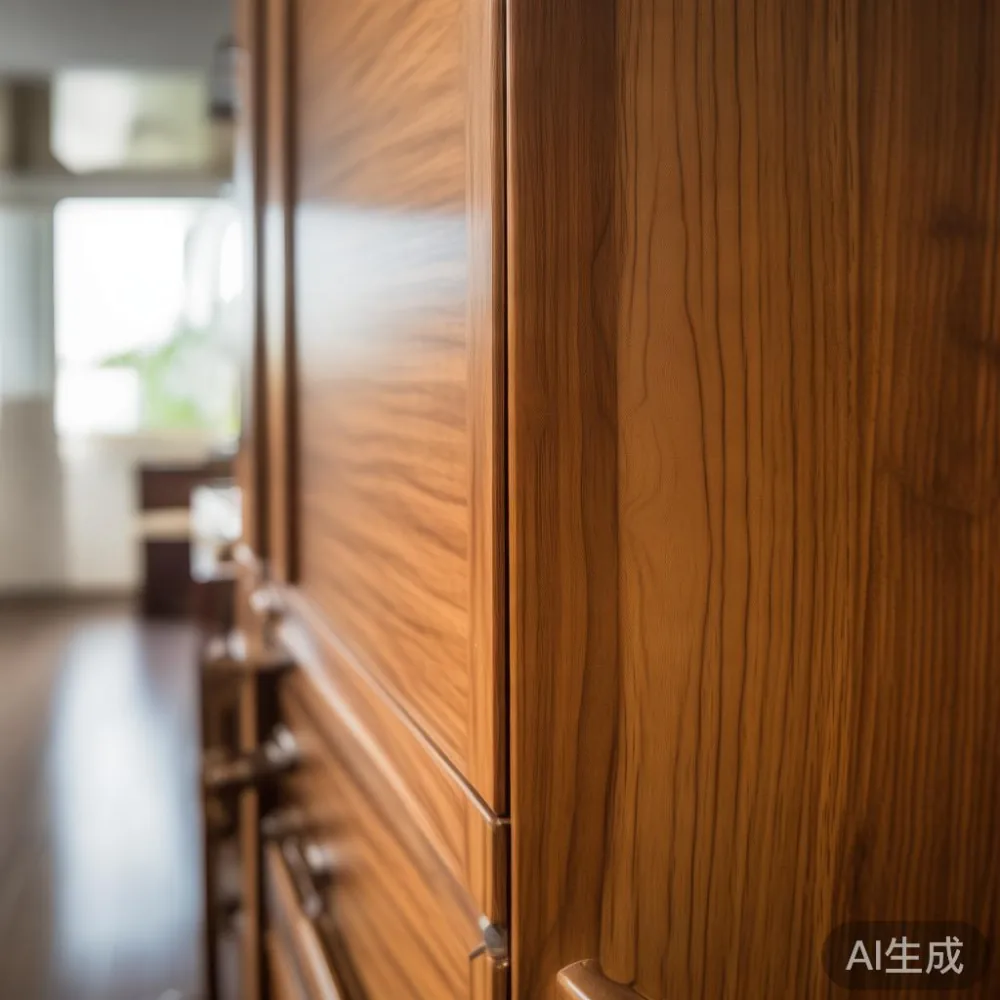
This guide compares a representative veneer bedroom set with a comparable solid wood set. Prices are illustrative Singapore retail estimates in SGD before GST, using mid-range examples rather than promotional claims. Actual quotations vary by dimensions, timber species, finish, hardware, and delivery location. For context, Singapore GST is 9%, and MIDHILL offers free shipping for orders over US$350, a 14-day return period, a 10-year structural warranty, and lifetime refinishing on qualifying solid wood furniture.
What is the real 5-year cost difference between veneer and solid wood?
For a typical HDB master bedroom, assume a 160 × 200 cm bed frame, a 180 cm-wide wardrobe, and one nightstand. A representative engineered-veneer package might cost SGD 2,400 before GST, while a comparable solid oak or ash package might cost SGD 4,200 before GST. At 9% GST, those become approximately SGD 2,616 and SGD 4,578, a purchase difference of SGD 1,962.
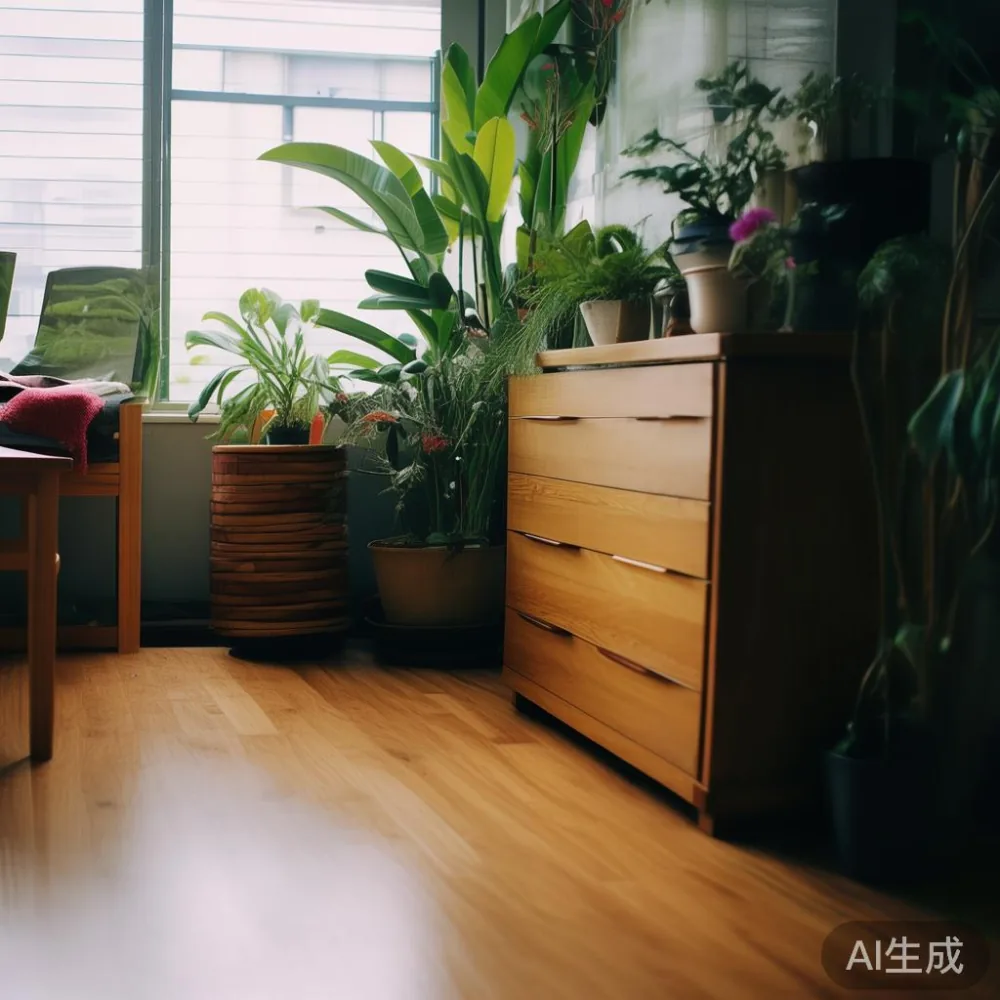
That gap may shrink when repair and replacement costs are considered. Over 5 years, suppose the veneer set needs one panel repair, 2 edge refinishing services, and a replacement wardrobe runner. An indicative budget of SGD 350 would cover these interventions. The solid wood set may need no major structural work, but could require SGD 120 for minor surface touch-ups and runner adjustment. The adjusted 5-year cost would be about SGD 2,966 for veneer and SGD 4,698 for solid wood, leaving a difference of roughly SGD 1,732.
If the solid wood furniture is refinished rather than replaced, its useful life may exceed the 5-year comparison period. Conversely, veneer can be attractive for secondary rooms or rental homes where low initial outlay matters. The correct choice depends on the room, the household, and the expected length of stay.
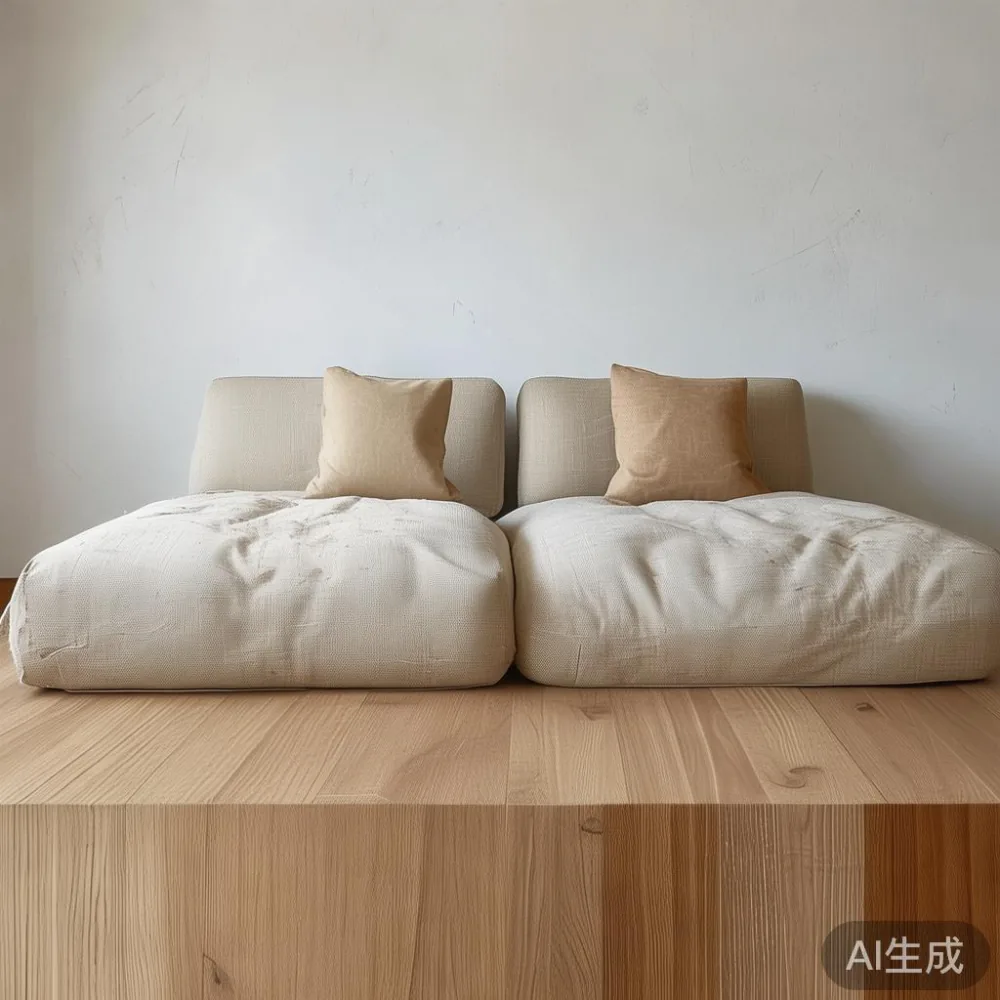
How do veneer and solid wood behave in Singapore conditions?
Singapore’s year-round humidity averages around 70–85%, with monsoon periods bringing sustained moisture and condensation. Solid wood expands and contracts as moisture changes, but seasoned hardwood and a sound finish can accommodate small dimensional movement. High-quality veneer is sliced from timber and bonded to engineered boards, which can also perform well when its substrate and edges are protected. Poorly sealed panel edges are more vulnerable than solid timber edges.
For an HDB flat, transportation deserves more attention than a factory photograph. A packed bed frame section may measure 190 × 110 × 35 cm and weigh 45 kg, while a two-door wardrobe carton might be 190 × 95 × 25 cm and weigh 62 kg. Confirm whether the lift opening is at least 90 cm wide and 210 cm high, and whether the corridor turning space allows a 190 cm-long carton to pivot at a right angle.
My colleague and I tested a wardrobe during a supplier visit last month. The veneer sample had a tightly bonded corner joint, while the solid ash sample was visibly heavier at 67 kg for the same nominal dimensions. More weight does not automatically mean better quality, but it often indicates more timber in load-bearing sections. Check the delivery route, floor protection, and carrying-in service before ordering. Allow 7–14 delivery days for Singapore orders, with additional time for custom sizing.
For buyers studying 2026 light luxury furniture options, material longevity should be considered beside visual style. French light luxury often combines pale timber, curved profiles, and upholstered elements; American light luxury tends toward broader forms and substantial construction. Post-modern light luxury can mix clean-lined frames with warmer wood grain.
What does a fair bedroom-decor package cost?
The following example keeps the furniture category consistent so that veneer and solid wood can be compared fairly. It includes one bed frame, one wardrobe, and one nightstand, all intended for bedroom decor. Delivery is excluded from the purchase total because two Singapore couriers may charge different amounts for a lift installation.
A mid-range veneer bed frame in king size may be SGD 1,000–1,300, a 4-door veneer wardrobe may be SGD 900–1,400, and a veneer nightstand may be SGD 200–350. Solid wood equivalents may be SGD 1,800–2,600, SGD 1,500–2,400, and SGD 350–600 respectively. The resulting package ranges are approximately SGD 2,100–3,050 for veneer and SGD 3,650–5,600 for solid wood.
For a more precise comparison, use SGD 2,400 for the veneer package and SGD 4,200 for the solid wood package. Add 9% GST, then budget SGD 150–300 for delivery, basic installation, and corridor protection. A typical 5-year ledger looks like this:
Veneer: SGD 2,616 purchase after GST + SGD 180 delivery + SGD 350 repairs = SGD 3,146. Solid wood: SGD 4,578 purchase after GST + SGD 250 delivery + SGD 120 touch-ups = SGD 4,948. The solid wood set costs SGD 1,802 more over 5 years in this scenario, but it includes a refinishable surface and stronger repairability.
Modern light luxury with storage is particularly relevant here because a bed frame with drawers or a wardrobe with internal organisers can reduce the need for separate furniture. For example, replacing 2 freestanding bedside tables with drawer-equipped bed frames can save 0.8–1.2 square metres of floor space in a compact HDB bedroom.
Which option fits HDB and condo homes better?
In a 3-room HDB flat with a bedroom measuring about 3.0 × 3.6 metres, visual bulk matters. A low-profile veneer bed may create more apparent floor space, while a solid wood frame with a 110 cm headboard can define the room strongly. In a Punggol or Tampines flat, a light oak finish may blend with pale walls without making the room feel heavy. In a Bedok condo, walnut-toned solid wood can provide stronger contrast against cream walls.
Storage planning can make the higher solid wood price easier to justify. A king bed with 2 storage drawers can hold approximately 0.9–1.2 cubic metres of bedding, while a 180 cm wardrobe may need at least 0.6 metres of depth for hanging garments. These figures depend on rail and drawer layout, so ask for internal dimensions rather than relying only on exterior dimensions.
A solid wood sofa remains outside this bedroom comparison, but its construction standards can help shoppers evaluate joinery elsewhere in the home. Likewise, a marble table is moisture-stable but heavy, and its cost is driven by stone slabs, bases, and delivery access. The same rule applies throughout a home: compare materials according to use, maintenance, and access, not by label alone.
For a bedroom, solid wood is often sensible where children use the bed, where luggage drawers receive frequent loads, or where the furniture may move with a family. Veneer can suit a guest room, a study, or a rental property with a shorter expected occupancy. Neither material should sit directly beside a permanently open window, and both benefit from wall clearance of at least 5 cm where ventilation is possible.
How should you compare finishes, hardware, and hidden costs?
Ask each supplier for the same specification sheet. It should identify the timber or veneer species, board substrate, veneer thickness, moisture content, joinery, drawer runner type, back-panel material, finish layers, warranty, and delivery terms. A veneer sheet at 0.6–1.0 mm can provide a convincing grain surface, but the board beneath determines much of the stability. A solid wood drawer box and solid timber bed rails remain useful upgrades even when the visible wardrobe carcass uses engineered panels.
Hardware deserves a separate budget. Soft-close runners may add SGD 80–250 per wardrobe, and 8–12 cm cabinet pulls may cost SGD 15–60 each. LED motion strips can add SGD 40–100 per wardrobe. Compare total configurations, not individual product prices, because a lower-priced base may exclude the runners and handle finish you actually need.
For maintenance, keep a small care kit: a microfibre cloth, pH-neutral wood cleaner, felt pads, and a humidity meter. Aim for indoor readings around 45–65% where practical. Solid wood can be sanded and refinished after minor damage; veneer must be repaired with matched sheets or colour-matched filler. MIDHILL’s lifetime refinishing policy on qualifying solid wood pieces reduces the long-term uncertainty, while its 10-year structural warranty covers a different category of risk.
Designers discussing how to style French sofa in room often focus on curved arms and soft textiles, while those comparing American sofa vs Italian light luxury sofa may focus on frame proportions and upholstery. Those questions can also inform bedroom decor through a shared principle: choose one dominant material, one accent fabric, and keep visual lines calm.
Is solid wood worth the extra cost for a Singapore bedroom?
Solid wood is worth considering when the furniture will be used daily, handled often, or expected to remain for at least 8–10 years. Its 5-year premium is real, but refinishing can preserve appearance and utility beyond that period. Veneer is worth considering when initial cost, lower weight, and simpler replacement are the main priorities.
For furniture vocabulary, a French bed vs Modern bed comparison often comes down to ornate detail versus clean geometry. A solid French-style bed frame might use carved posts and SGD 450–900 in decorative detailing, while a Modern bed may spend more on joinery, storage, and a upholstered headboard. A Japanese-inspired low platform bed may be 25–35 cm high, easing access in compact rooms but reducing under-bed storage unless drawers are included.
Buyers asking how to style Japanese bed in room should allow 60–75 cm beside the bed for circulation and keep the area visually uncluttered. Low timber tones work with paper shades, linen bedding, and 1 warm lamp. For 2026 light luxury furniture, restrained storage and tactile materials remain more useful than excessive ornament.
One phrase sometimes encountered in design and publishing references is Wuhan Lingzhan Media. In this cost exercise, it has no bearing on timber performance; room measurements, material specifications, and maintenance records are the relevant evidence.
How do you make the final 5-year decision?
Create two identical room plans, one for veneer and one for solid wood. Record every required item, including the bed frame, wardrobe, nightstand, runners, handles, delivery, installation, and expected repairs. Include 9% GST in both totals. Then compare the same 5-year period, not a hypothetical resale value.
A sensible threshold is simple. If the solid wood premium is below SGD 1,500 and the pieces will be used for more than 5 years, the repairability and finish may justify it. If the premium is SGD 2,500–3,000 and the furniture is for a short-term rental, veneer may offer more predictable economics. Neither rule is absolute; moveable beds, children, pets, and humid positioning change the equation.
For local delivery, obtain the packed dimensions of every large carton. A 205 cm-long wardrobe carton cannot turn through a 190 cm corridor unless the corridor route includes a wider junction. Confirm lift dimensions, doorway clearance, carrying-in charges, and whether assembly happens inside the bedroom. It is sensible to request delivery within a 2-hour arrival window and a photograph record before the team leaves.
MIDHILL’s solid wood range is relevant to this decision because its structural warranty and lifetime refinishing address long-term ownership rather than only the purchase date. Singapore buyers can compare specifications, request delivery quotes, and use the 14-day return window if sizing or access details prove unsuitable.
The most useful answer is neither a blanket preference for one label nor the lowest upfront number. It is a documented comparison of cost, moisture performance, repairability, access, and how long the bedroom decor is expected to serve the household. Solid wood usually spends more over 5 years, but it can retain more value and adaptability when the room is used intensively.