Caring Tips for Lacquered Bedroom Furniture in Singapore
High humidity, sudden downpours, sticky heat, and relentless coastal air make Singapore unusually demanding on lacquered furniture. A finished bedside table or wardrobe may look calm and precise in a Tampines HDB flat, yet the same finish can develop a faint haze, soften at the edges, or show fingerprints within months if it is wiped with the wrong product.
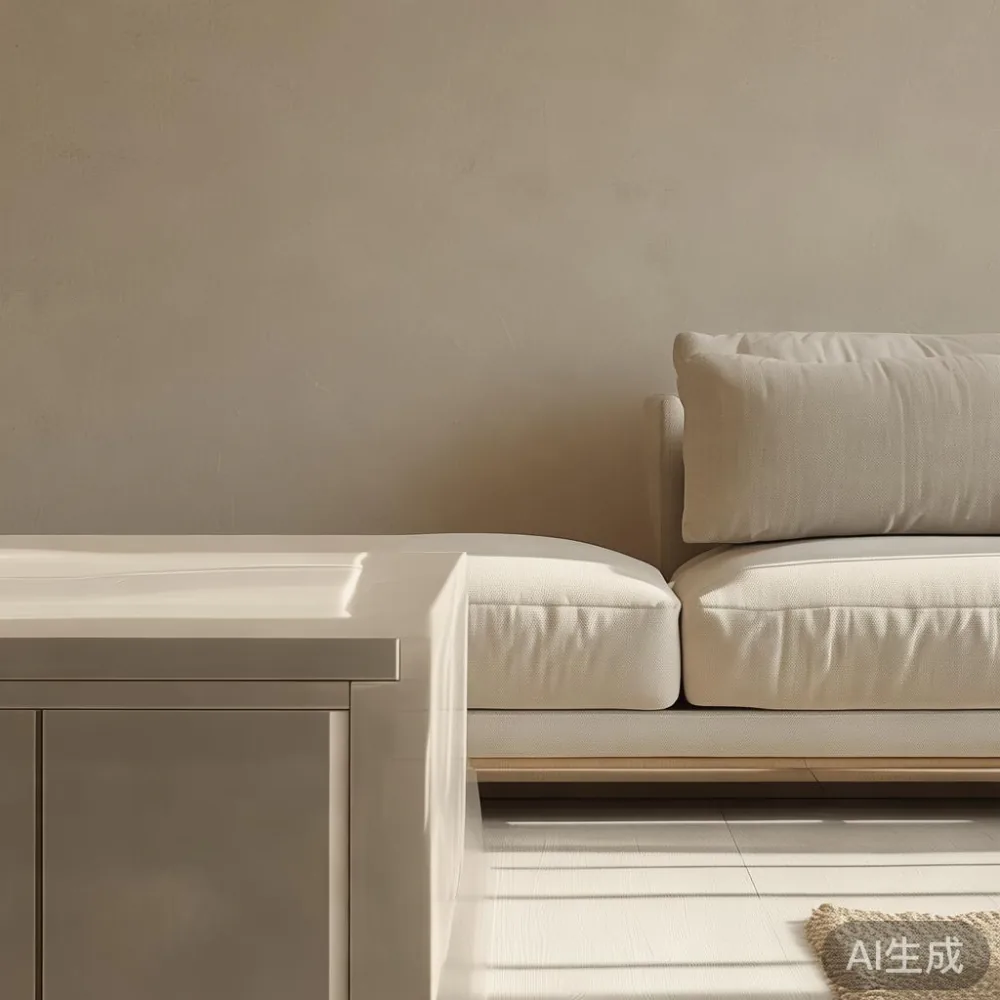
At MIDHILL, our lacquered bedroom decor is made for repeated daily use, with solid wood bed frames, nightstands, wardrobes, and storage furniture supported by a 10-year structural warranty. The finish still needs sensible care, especially in a tropical climate. This guide explains the practical routine used by homeowners in Bedok, Punggol, and Singapore condos, including how to handle condensation, sunlight, cleaning, lifting, and small marks without damaging the colour.
Why does lacquer need special care in Singapore?
Singapore’s annual humidity commonly sits around 70–85%, while daytime temperatures can reach 31–34°C. Lacquer dries into a smooth, durable surface, but wood beneath it continues to react to moisture. Repeated cycles of humid air and air-conditioned dryness can cause microscopic movement along panels, door edges, and joints.
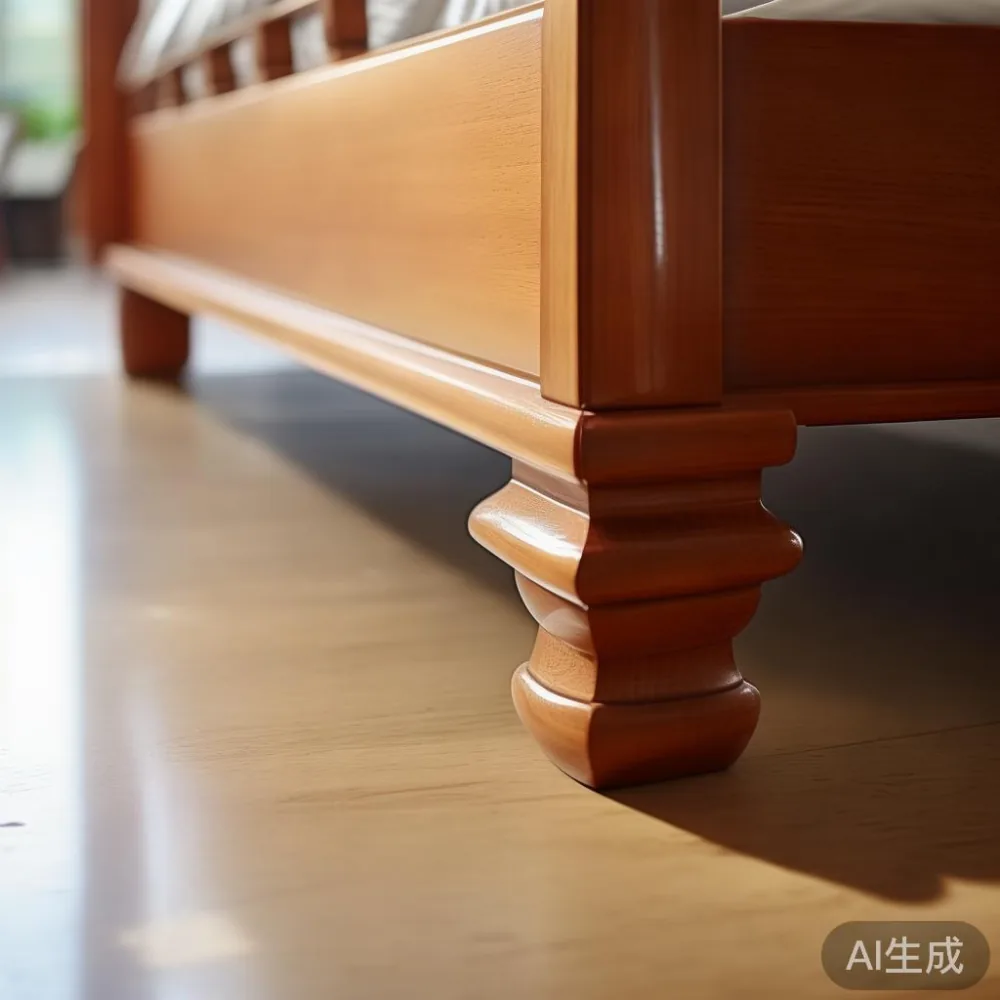
Water rings are often blamed on the lacquer, although they can form when dirty or damp cloths leave mineral residue as the water evaporates. Salt in perspiration also makes fingerprints more visible. Direct ultraviolet exposure can fade a warm cream finish within 2–3 years, while a radiator or strong downlight may raise the surface temperature enough to make a mark appear too quickly.
Good care therefore combines 3 habits: control moisture, use gentle products, and respect the finish. For a bedroom, the goal is not museum-like avoidance. It is keeping furniture comfortable, clean, and visually composed despite a busy family routine.
What should I use to clean a lacquered surface?
Begin with a soft microfibre cloth, preferably one that has been washed several times. A new cloth can carry abrasive fibres. For routine cleaning, use plain water or a mixture of 100 ml mild dish soap with 900 ml lukewarm water. Wring the cloth until it is damp, not dripping.
Test the mixture on a concealed 5 cm × 5 cm area and wait 24 hours. Wipe with the grain, using light pressure of roughly 2–3 kg. Dry immediately with a separate clean cloth. Avoid spraying cleaner directly onto lacquer, since liquid can travel into seams, pulls, or veneer edges.
Never use bleach, ammonia, alcohol, vinegar, abrasive powder, wire wool, or household glass cleaner. These can dull the sheen or cause a pale patch that takes weeks to disappear. Although ammonia may seem effective against fingerprints, it can attack some lacquers and resins.
For oily fingerprints, a clean cloth with a drop of mild soap solution is normally enough. If residue remains, repeat rather than scrub. A lacquered wardrobe door should generally need cleaning once every 1–2 weeks, while a frequently used nightstand can be wiped every 3–7 days. Dust from a HDB corridor or an open-plan condo living area settles quickly, so a light weekly pass is useful.
How do condensation and humidity affect bedroom decor?
The most common moisture issue occurs near windows, air-conditioner vents, bathrooms, and poorly sealed exterior walls. Keep lacquered furniture at least 30 cm from an open window, 60 cm from a dripping air-conditioner pipe, and 20 cm from a wall that shows dampness. In an HDB flat with a narrow bedroom, this may mean placing a slim nightstand on the dry side of the bed instead of directly beneath the window.
Maintain indoor relative humidity around 50–60% where possible. Portable dehumidifiers can help in persistently humid rooms, and hygrometers costing about SGD 25–60 make the reading visible. Run a unit long enough to maintain the target range; chasing a fixed 55% reading is less useful than preventing repeated dampness.
Do not place hot mugs, damp towels, or wet laundry on a lacquered nightstand. A room-temperature coaster with a silicone base is preferable. Leave 2–3 cm between a potted plant saucer and the furniture surface, and empty standing water every 2 days. If a wardrobe is positioned against an external wall, leave a 3–5 cm ventilation gap and inspect the rear every 6 months.
Condensation management also protects the hardware. Lift a wardrobe door gently rather than pulling it by the handle, and check hinges every 6–12 months. Singapore’s lift doors and corridors are compact, so planning the route can prevent a lacquered panel from being scraped before it even reaches the bedroom.
Can sunlight ruin a lacquered bed frame or wardrobe?
Prolonged direct sun can fade colour and make a lacquered surface look uneven, even when the wood is of good quality. UV-filtering curtains or blinds are the simplest control. In a west-facing Bedok condo, close them from about 11 a.m. to 4 p.m. During cloudy periods, visible sunlight can still carry enough UV exposure to cause gradual change over 12–24 months.
Rotate freestanding furniture 90° every 6–12 months to distribute fading. Do not rotate a large wardrobe alone; a 120 kg solid wood wardrobe can tip, and its door swing may strain hinges. For a solid wood bed frame, check that the headboard is not touching a window recess where condensation collects.
Warm lighting needs a separate check. Keep a table lamp at least 20 cm away from lacquered panels. A 60 W LED lamp typically produces far less heat than a 60 W incandescent lamp, but its housing may still become warm after 2 hours. The French light luxury preference for pale oak, creamy lacquer, and restrained brass works well in Singapore when the room is shaded and the palette remains consistent.
How should I deal with scratches, marks, and dull areas?
Small scratches are not always visible at normal viewing distance. For a mark on a lacquered nightstand, place a clean, white cotton cloth over the area and warm it gently with a hairdryer held at least 30 cm away for 10–15 seconds. Do not use steam, high heat, or pressure. Test any treatment on a hidden section first because some pigments react differently.
If the mark remains, resist reaching for paint. A colour-matched lacquer repair is the careful route, and MIDHILL can advise on the finish and product family where photos and measurements are available. On a full-height wardrobe, a repair may require a qualified refinisher rather than a household kit.
For dull patches caused by residue, clean the surface twice with the mild solution and dry after each pass. Let the finish settle for 24 hours before judging the result. Abrasive polishing can remove a thin layer and create a shiny repair that does not match the surrounding 80% of the panel.
Minor knocks on lacquered edges are sometimes softened with a colour-matched touch-up pen. Keep the pen for 12 months after purchase, since lacquer can shift visually as the wood responds to humidity. Larger peeling or separation is a finish defect, not a cleaning problem. Photograph it under daylight, include a 10 cm ruler, and contact the supplier before attempting further treatment.
How do I move lacquered furniture through Singapore lifts and corridors?
Measure before delivery day. Standard HDB lift openings can be narrower than bedroom doors, and corridor turns may require a piece to be tilted. Record the lift door, cabin, corridor, and bedroom-door widths, then add 5–10 cm of working space. For turntables and wardrobes, document whether the corridor is straight or has a 90° corner.
Protect the furniture with moving blankets, corner guards, and cardboard at least 3 mm thick. Wrap lacquered surfaces loosely rather than fastening tape directly to the finish. Lift panels by their structural frame, never by a handle, trim, or thin edge. Two adults should manage a 90 kg solid wood bed frame; a 140 kg wardrobe needs professional movers and a stair-climbing plan if the lift cannot take it.
For local delivery within Singapore, allow 3–7 working days after stock confirmation. The 14-day return window begins from delivery, so inspect the lacquer in daylight, under the room’s normal evening lighting, and from 1–2 m away. Photograph all 6 sides of each piece. This matters because a faint sheen change can appear differently under corridor LEDs and bedroom lamps.
A delivery fee may apply below the US$350 free-shipping threshold, with the final Singapore charge confirmed before dispatch. GST may be included or shown separately in the quotation, so request the tax-inclusive amount in SGD.
How can I style lacquered furniture without increasing wear?
Use bedroom decor as a coordinated composition rather than a crowded display. A lacquered bed frame can sit beside a nightstand with a simple drawer pull, while a marble table adds a cool counterpoint in a larger bedroom. Keep paper bags, chargers, cosmetics, and damp towels in a closed storage section instead of on the lacquered top.
For a compact Punggol flat, a 45–55 cm nightstand may suit a queen bed better than a bulky unit. A 180–200 cm solid wood sofa can occasionally serve as a defined sitting zone in a study area, but it should not block the 90 cm circulation route between the bed and door. The best European sofa for 2026 is a design consideration, yet the physical dimensions must still clear the lift and corridor.
If storage is being planned around a wardrobe, “how to style Japandi wardrobe in apartment” searches often focus on pale timber and clean lines. Add 1–2 warm baskets, closed-door storage, and 1 warm lamp rather than many exposed objects. The same restraint applies to a Mid-century modern accent chair placed at a desk: its wooden arms should not repeatedly rub against a lacquered bed frame.
For a European-inspired room, “how to style European bed in room” usually means balanced bedside symmetry, generous headboard height, and quiet contrast. Keep at least 15 cm between the bed frame and wardrobe doors so the drawers can open fully. In French light luxury styling, cream lacquer, pale oak, linen, and soft curves create a composed bedroom without making humidity damage inevitable.
Rooms styled with the phrase “Vintage for small living room” often mix old-looking silhouettes with cleaner storage. In a bedroom, translate that idea into one vintage-inspired object, such as a ceramic lamp, rather than placing a crowded collection beside the bed. “Rustic for small living room” can be represented by woven textures and warm timber, while the lacquered wardrobe remains the calm visual anchor.
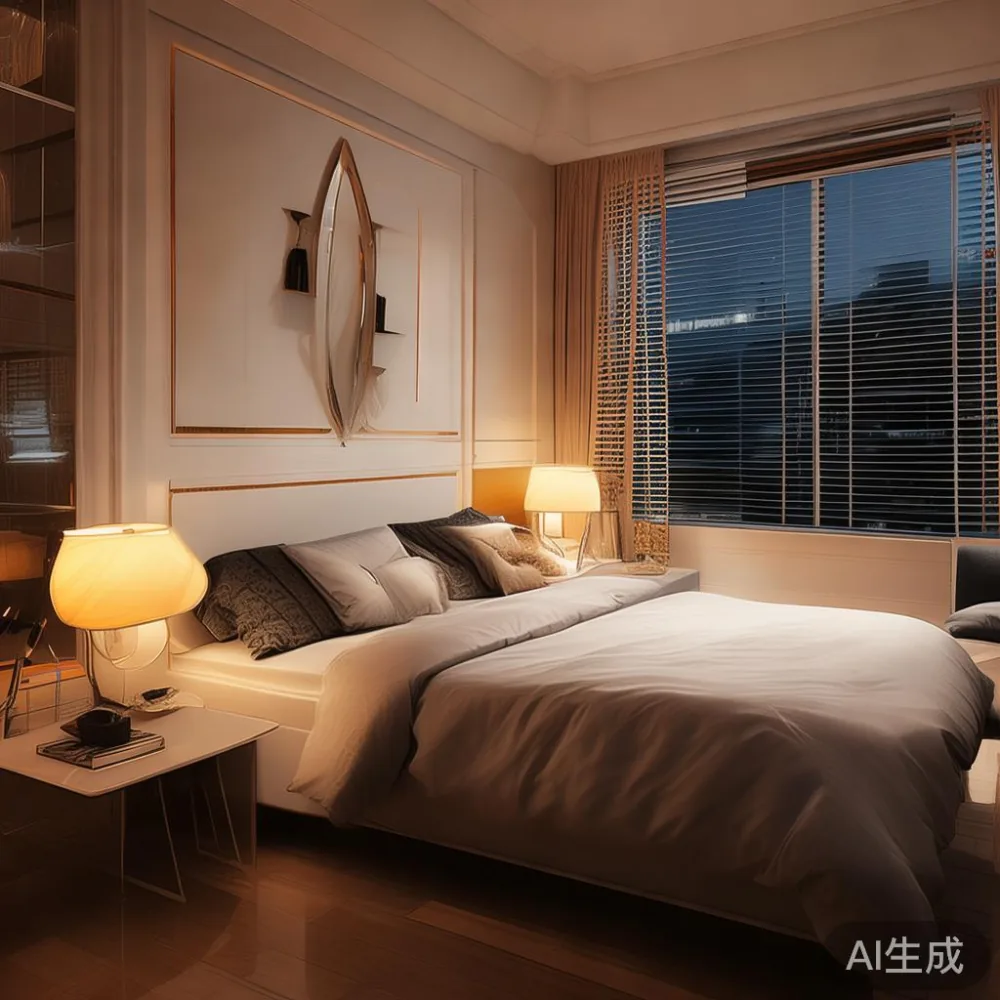
Post-modern light luxury offers another approach: pair clean lacquered planes with 1 sculptural piece. A marble table, round mirror, or curved bedside lamp can add character without increasing the number of surfaces that need careful wiping.
What is a practical weekly care routine?
A 10-minute routine prevents most finish problems. Once each week, remove objects from the nightstand and wipe the top, sides, drawer fronts, handles, and lower edges. Use a barely damp cloth, then dry every area. Pay attention to the 2 cm strip around the floor line, where cleaning cloths often leave a damp trail.
Every 2 weeks, inspect windows and condensation points. Every month, check beneath rugs and behind movable bedroom furniture for trapped moisture. Every 3 months, clean door tracks with a soft brush and vacuum the wardrobe interior on low suction. Avoid pulling a vacuum cleaner directly across lacquered panels.
Every 6 months, check hinges, drawer runners, and colour consistency. Reapply felt pads beneath movable pieces if the floor is hard. Use 4–6 mm pads rather than 10 mm blocks, which can raise the furniture and create a visible gap. In a humid room, inspect felt pads for compression or debris and replace them when the felt feels hard.
Every year, review the lacquer under natural light and arrange professional refinishing if needed. MIDHILL offers lifetime refinishing for eligible products, which can help restore colour and sheen after long use. The 10-year structural warranty covers construction rather than accidental finish damage, so documentation and careful care remain important.
Can lacquered furniture survive a tropical bedroom?
Yes, with a controlled routine and realistic expectations. Lacquered bedroom decor can remain attractive in Tampines, Bedok, and Punggol if moisture is managed, sunlight is moderated, and harsh chemicals are avoided. Use the surface for ordinary bedroom life, but wipe spills within 10 minutes and keep standing water off the furniture.
Choose dimensions that suit the flat, plan the lift route, and build a 10-minute weekly habit into the household schedule. For product details, finish samples, delivery timing, or care guidance, review the collection or contact MIDHILL at api.midhill.co. A well-maintained solid wood bed frame, dining table, wardrobe, nightstand, or marble table can retain its composed appearance for many years, even under Singapore’s demanding climate.