Humidity and Solid Wood Furniture in Singapore Homes
Singapore’s warm, humid climate can change the dimensions, movement and appearance of solid wood furniture. In an HDB flat in Tampines or a compact condo in Bedok, a bedroom may sit near the equator’s everyday moisture cycle: cool air from the lift lobby, warm air from the corridor and repeated air-conditioning at night. For solid wood furniture, those shifts matter because timber expands when it absorbs moisture and contracts when it dries.
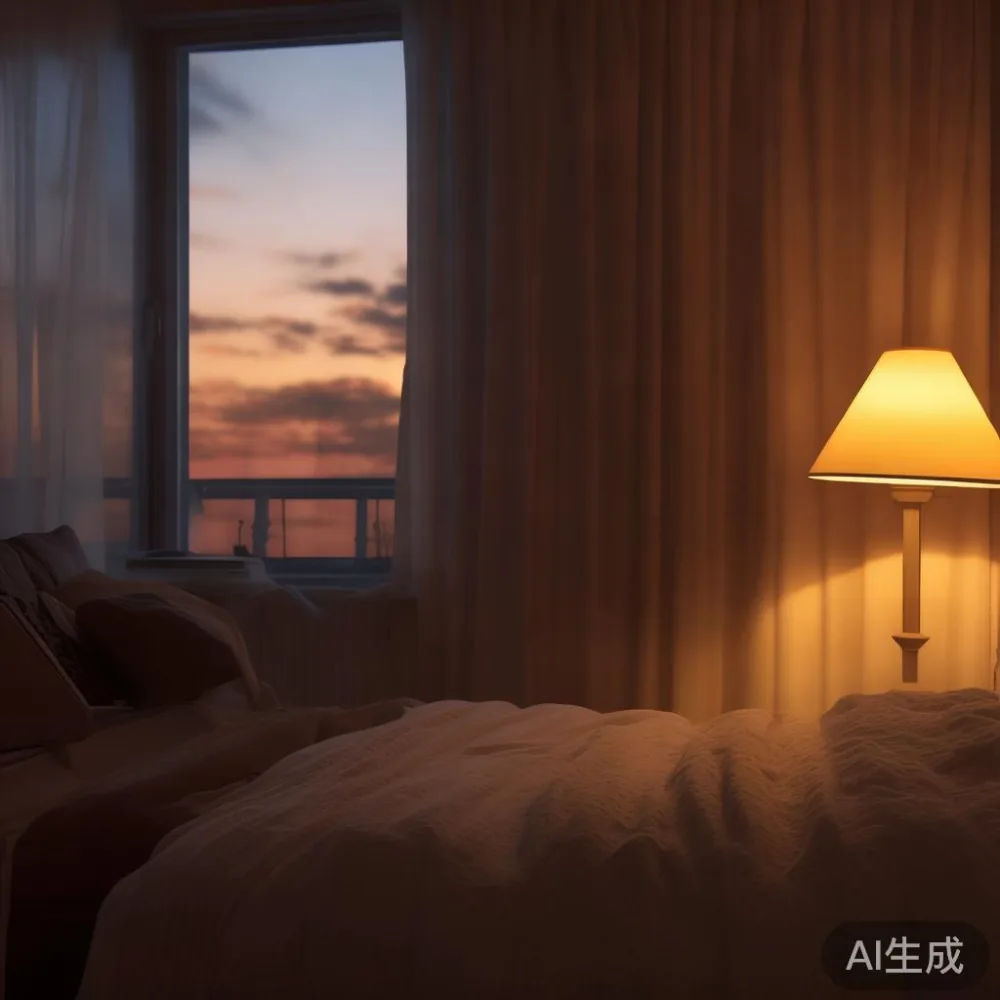
This guide explains how humidity affects a solid wood sofa, bed frame, dining table, wardrobe, nightstand and marble table, with practical measures for Singapore households. It also considers delivery through HDB corridors, lift dimensions, GST and the care advice behind MIDHILL’s 10-year structural warranty.
How Does Humidity Affect Solid Wood Furniture?
Wood is hygroscopic: it exchanges moisture with the surrounding air. Relative humidity describes how much water vapour the air holds compared with its temperature. At 60% relative humidity, a suitable indoor environment for most residential furniture, timber reaches an equilibrium moisture content of roughly 8% to 12%. During a rainy afternoon, humidity may rise above 80%; near an air-conditioning vent, it may fall below 45%.
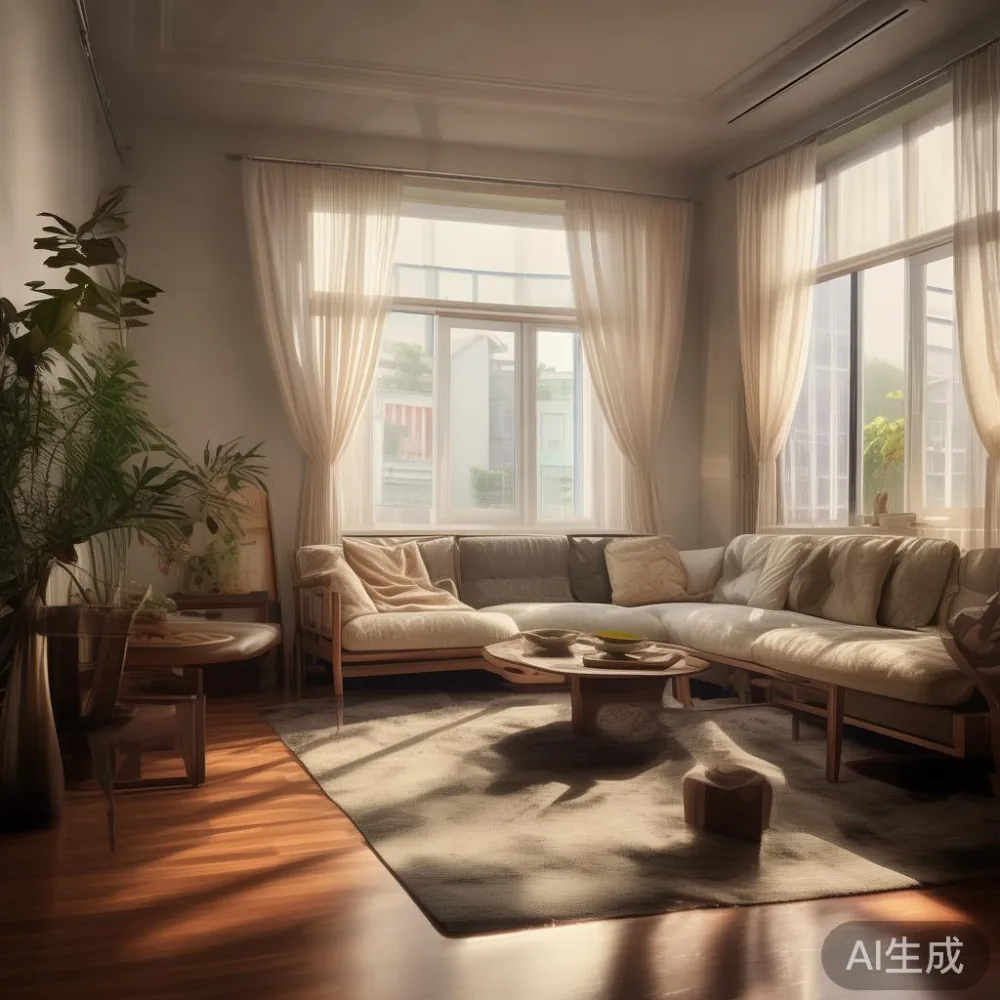
That 35-percentage-point swing can produce visible movement. A 180 cm solid oak dining table might expand by several millimetres along its width. A 200 cm bed frame can show minor gaps at a joint, while a wardrobe door may sit differently against its carcass. These changes are not necessarily structural failure. They reflect the wood responding to its environment.
Finish slows the exchange but does not stop it. A sealed surface protects against spills and everyday marks more effectively than an untreated one, yet end grain, joints and small scratches remain possible moisture pathways. Engineered plywood is less mobile than a large solid timber panel, but solid wood still offers the reassuring weight, repairability and grain variation valued in bedroom decor.
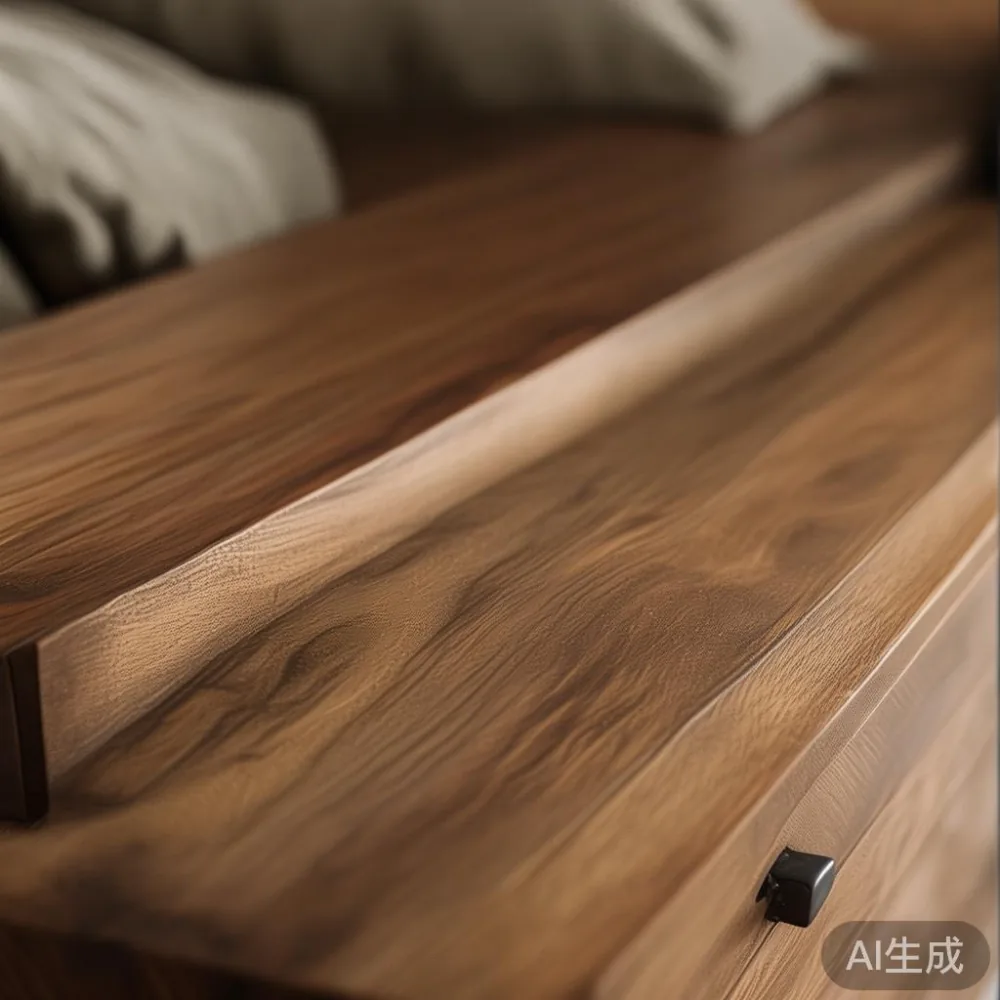
What Relative Humidity Level Should Singapore Homes Maintain?
A practical target is 50% to 65% relative humidity, with small seasonal deviations. For timber-based bedroom decor, keep the surface-to-air difference moderate rather than chasing a laboratory-perfect number. A bedside hygrometer costs around SGD 12 to SGD 25 and allows a household to record readings at different times: 7 a.m., 3 p.m. and 11 p.m.
Place the meter near the furniture, not directly beside a window, dehumidifier or air-conditioner outlet. In a Tampines HDB flat with east-facing windows, a bedroom used mainly from 6 p.m. to midnight may climb from 56% at 7 a.m. to 74% at 10 p.m. Adjusting the air conditioner to 24–26°C and running it for 30 minutes before sleep often brings the room into a steadier band without drying the timber excessively.
Condensation needs stricter attention. If a 4 mm marble table top feels colder than the room and develops a visible water ring, relative humidity may be high enough for condensation on the polished stone. Wipe it dry and move it away from a frequently opened door. Do not place a marble table immediately under a shower, kitchen sink or bathroom-adjacent wall where vapour can collect.
For furniture makers and interior projects, a controlled storage room should stay near 18–24°C and 45% to 60% relative humidity. The factory process matters too: seasoned timber should acclimatise for at least 7 to 14 days after delivery before final installation. This is one reason freight handling and local acclimatisation are separate parts of quality control.
Can Humidity Damage a Bed Frame, Wardrobe or Nightstand?
Humidity can cause swelling, mould risk, finish haze and joint movement, but prolonged damp exposure is different from ordinary tropical humidity. A wardrobe in a dry bedroom is unlikely to develop mould, while a shoe rack or low nightstand positioned against a leaking exterior wall may. Look for a musty smell, dark spots, swollen drawer runners or paint that blisters in a 20 cm square area. Stop using the affected area and have the source inspected.
A well-built solid wood bed frame should remain stable across a room’s normal humidity range. Quality control includes checking joints, drawer movement and support points. For a 160 cm king bed frame, the centre support may sit around 140–150 cm from each end, with legs checked for level under a 120 kg load. These figures are design-dependent, so follow the product specification rather than estimating from a photograph.
Wood selection also affects response. Teak and mahogany are commonly chosen for humid regions because of their dimensional stability and naturally oily woods. Ash, oak and similar hardwoods can work well with sealed finishes and sensible indoor humidity. Rubberwood is lighter and more affordable, but it still requires stable conditions and sound finishing.
At MIDHILL, each piece is made for long service rather than a brief display period. The company was established in 2008, exports to more than 15 countries and backs its furniture with a 10-year structural warranty. Lifetime refinishing support gives owners a route for restoring a bed frame or dining table after years of use. Those commitments do not make humidity irrelevant; they make maintenance more practical.
How Much Space Do Large Furniture Pieces Need in an HDB Flat?
Humidity control is easier when air can circulate around furniture. Leave 5 to 10 cm behind a wardrobe where the manufacturer permits, and 3 to 5 cm below a floating nightstand where applicable. Keep solid wood pieces clear of a wall that may feel cold or damp, while avoiding a dead gap where dust can settle. A 45 cm-wide bedside zone is comfortable; 60 cm allows a person to open drawers and make a bed without moving the furniture.
Old HDB buildings can have narrow corridors and compact lifts, so measure before ordering. A common passenger lift offers an internal doorway of about 900 mm and a car depth of roughly 1,300–1,500 mm, though this varies by block. A king bed frame may arrive as 3 packages of 160 cm, 70 cm and 110 cm. Check the package’s longest diagonal, not just its length, against the lift door and turning space.
For a condo, building management may require the delivery to be booked through a service access system and may charge an SGD 20 to SGD 80 handling fee. Reserve the lift for at least 30 minutes and measure the route from the loading bay to the bedroom door. If a package exceeds 220 cm, it may need to turn through a tight corridor or pass through a window; this affects the delivery quote.
MIDHILL offers free shipping on orders over US$350, equivalent to approximately SGD 460 before exchange-rate movement and before Singapore GST. Local delivery time for stock items is generally 7 to 14 days, while made-to-order pieces can take 30 to 60 days. The 14-day return period is useful if an item arrives with damage, although a measured delivery plan helps avoid the need altogether.
What Is the Best Way to Care for Wood Furniture in a Humid Climate?
Begin with the climate, then clean the surface gently. Dust a nightstand with a dry microfibre cloth every 1 to 2 weeks. Wipe a dining table with a lightly damp cloth and dry it immediately; excess water around a joint can enter end grain. Avoid silicone sprays, ammonia cleaners and soaked rags. A pH-neutral wood cleaner is usually sufficient and should be tested on a 10 cm area first.
Control moisture sources. Run a dehumidifier when readings remain above 65%, and place it at least 2 m away from solid wood so its dry outlet does not create a sharp local gradient. Check the water tank every 3 days and clean the filter every 2 to 4 weeks. Portable models often maintain a 20–35 m² room, subject to the unit’s specification. In an 85 m² HDB flat, one unit may not manage the whole home; bedroom-by-bedroom monitoring is more useful.
For a solid wood sofa with upholstered cushions, remove loose covers where permitted and air them for 2 to 4 hours after a rainy day. Keep the frame 30 cm away from an exterior wall if possible. Leather or high-quality fabric can develop mildew if damp and remains enclosed. Vacuum upholstery every 1 to 2 weeks and address spills within 15 minutes.
Refresh the finish when the surface looks dull, not merely because a month has passed. Minor marks may be treated according to the finish type, while deeper wear can be sanded and refinished. Use coasters, placemats and felt pads. Place no hot object directly on timber; a 60°C cup can leave a ring. Maintain 1–2 mm of felt beneath every table leg and check it every 6 months.
Seasonal care is part of the design conversation. Search results for top 10 Vintage furniture often focus on appearance and provenance, but a restored piece still needs climate control in its new home. Likewise, a kitchen renovation can change the bedroom’s airflow and humidity; monitor the room for 2 weeks before adding more furniture.
How Do You Style Solid Wood Furniture in a Singapore Apartment?
Singapore apartments reward proportion, restrained colour and visible circulation. French light luxury works through pale woods, cream upholstery and curved profiles; American light luxury leans on broad forms, warm neutral textiles and darker accents. Post-modern light luxury can combine clean geometry with a measured mix of materials. The goal is balance rather than filling every corner.
A 160 cm bed frame needs at least 75 cm of clear space on each side for drawers and bedside access, though compact rooms may accept 60 cm. Pair it with a 40–50 cm nightstand, keeping the top 5 cm below the mattress surface for easy reach. A 180 cm solid wood dining table generally needs 90 cm around the perimeter for chairs and service. In a smaller dining zone, a 140 cm table with 45 cm-deep settings may be more practical.
For those researching how to style European light luxury sofa in apartment, select a low-profile design with a firm wooden or reinforced base rather than a loose, absorbent frame. It should share the bed frame’s visual language without competing with it. The marble table can introduce brightness, but one reflective surface in a compact bedroom is often enough. Warm 2700K lamps soften the contrast and create a calmer atmosphere than a single cool ceiling light.
These ideas also appear in requests for light luxury for apartment and Italian light luxury sofa. In local terms, the more important issue is room dimension. A full Italian-style sofa may need 260–300 cm of width and 90–100 cm of depth, so an open HDB living room may suit a 200–230 cm model better. Contract terms for wholesale Modern light luxury furniture should also confirm timber moisture response, finish compatibility and replacement-part availability.
For the dining setting, a Mid-century modern dining table suits compact proportions when its base leaves adequate knee room. An oval 160 cm version can preserve a 90 cm walkway in an HDB dining area. Use 2–3 mm spacers under accessories rather than trapping moisture beneath heavy objects. In bedroom decor, repeat one wood tone across the bed frame and nightstand, then vary texture through bedding and a marble table rather than introducing several competing timber shades.
Should Buyers Choose Solid Wood or Engineered Wood for Singapore Homes?
Solid wood is a strong option for a main bed frame, dining table or wardrobe when the home maintains 50–65% relative humidity and the piece is allowed to acclimatise. Its grain, weight and repairability suit bedroom decor, particularly when a family values longevity. A slab-like top may show movement, so its construction should account for seasonal expansion rather than forcing the timber into a rigid frame.
Engineered wood can be sensible for large wardrobe panels, modular storage and other weight-sensitive applications. Its cross-laminated or veneer layers generally reduce movement compared with a wide solid panel. It can also offer more consistent colour across a room. The trade-off is that edge repair and refinishing depend on the substrate and veneer thickness.
Ask a supplier for five specific facts: timber species, panel construction, finish system, recommended humidity range and expected acclimatisation period. A responsible answer might specify solid rubberwood or kiln-dried hardwood, a 3-coat sealer, 7 to 14 days of acclimatisation and a target of 50–65% relative humidity. It should not promise that any furniture is immune to dampness.
How Do You Know When Humidity Has Caused a Furniture Problem?
Distinguish seasonal movement from damage. A drawer that closes 1–2 mm harder in July may be responding to a 10-point humidity increase. Persistent sticking, a bowed panel more than 5 mm out of line, mould, loose joints or a wet transfer to a wall requires investigation. Compare the piece with a similar room: if every wooden door in the flat is tight, inspect the affected piece for direct moisture or an installation issue.
Record 7 consecutive days of readings before contacting the maker. Note the temperature, humidity, location and whether the problem follows rain. Photograph gaps with a ruler in frame, and do not force a swollen door. For coated furniture, avoid generic oil or wax until the finish system is known; the wrong product can darken the surface or interfere with a later refinishing process.
Singapore’s climate makes careful furniture ownership a combination of indoor comfort and material care. Stable relative humidity, sensible spacing, measured delivery and regular inspection protect a solid wood sofa, bed frame, dining table, wardrobe, nightstand or marble table. With a 10-year structural warranty and lifetime refinishing from MIDHILL, customers can also maintain the appearance of bedroom decor for years rather than replacing it after a single humid season.