How Southeast Asian Humidity Affects Solid Wood Furniture
Singapore’s warm, humid climate can change solid wood furniture more noticeably than many buyers expect. A wardrobe may develop small surface marks after a wet monsoon month. A drawer may feel tight, then loosen once the air dries. A bed frame may develop a faint wavering line near its back edge, while a dining table can show visible movement at its joints. None of this automatically means poor workmanship; timber reacts to moisture, and a well-designed bedroom decor plan must account for that movement.
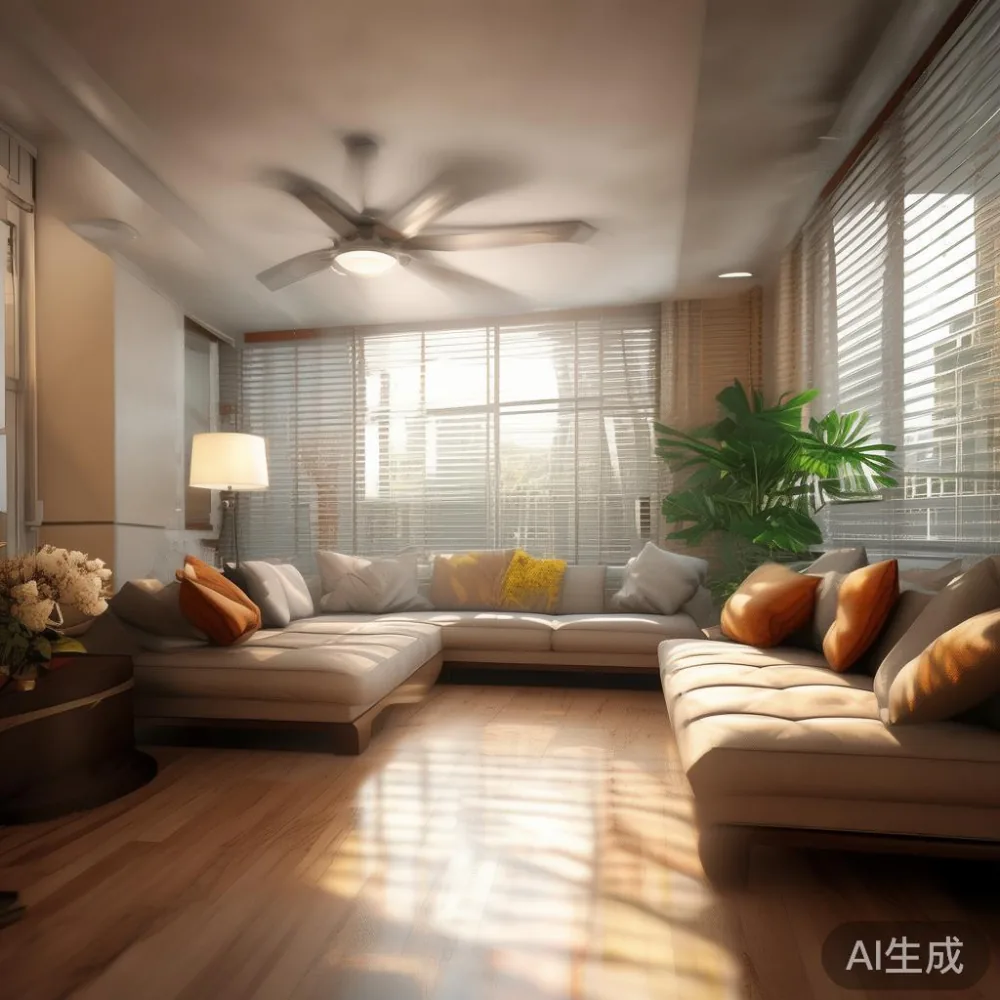
Southeast Asia combines several humidity challenges: high night-time moisture, enclosed HDB flats, air-conditioning that dries interiors during the day, and sudden changes when doors and windows are open. In Singapore, outdoor relative humidity commonly ranges from roughly 65% to 90%, with wet periods and coastal air adding to moisture exposure. Indoor conditions can shift between approximately 40% and 75% depending on the unit, ventilation, air-conditioning, and how often the home is occupied.
This guide explains how humidity affects solid wood bedroom furniture, what Singapore homeowners can do in HDB flats and condos, and how to assess suppliers, finishes, dimensions, and warranties. It also considers the practical movement of furniture through Tampines, Bedok, and Punggol, where lift doors, corridors, service stairs, and loading arrangements can be as important as moisture control.
Why does humidity make solid wood furniture move?
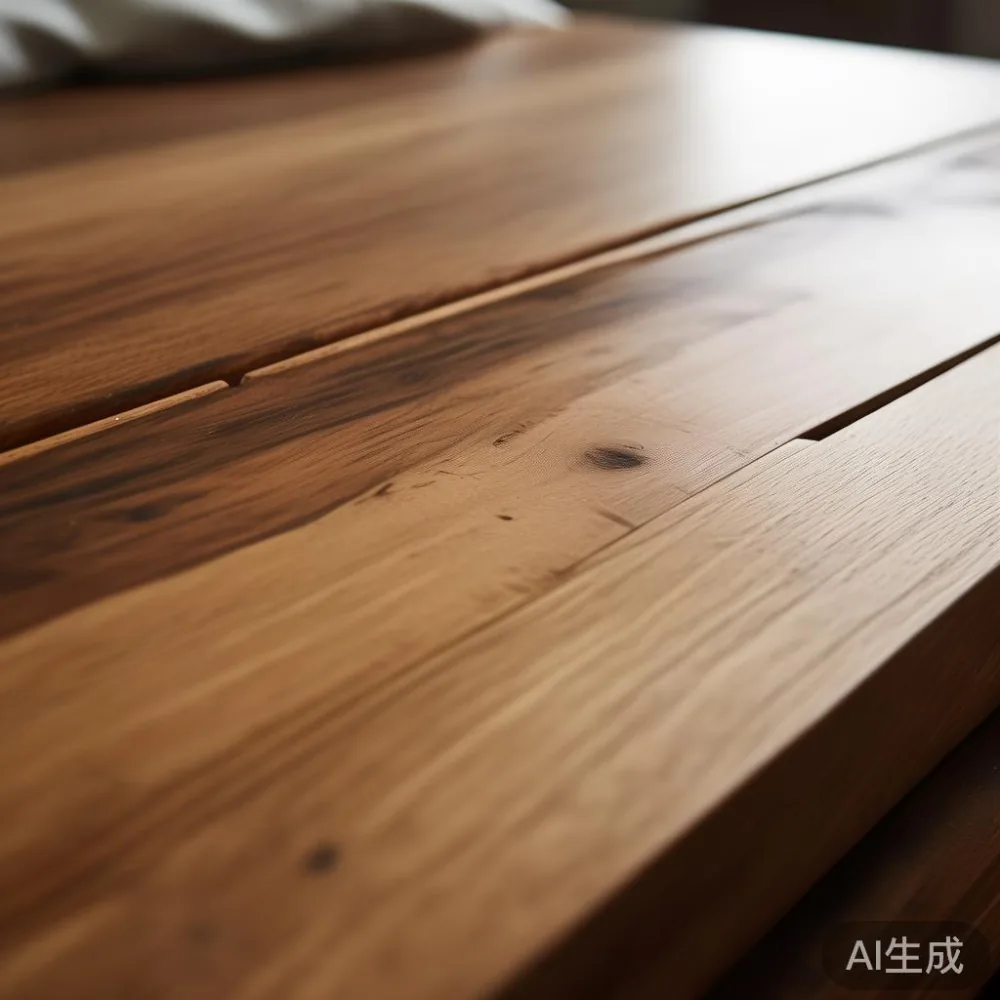
Solid wood is not dimensionally inert. Timber expands across its grain when it absorbs moisture and contracts when it loses moisture. In Singapore, the greatest seasonal movement often occurs from about 25% to 35% relative humidity in very dry, air-conditioned interiors to around 75% to 85% during humid weather. Movement may be around 1% to 3% across the width of a solid timber board, although the exact figure depends on species, board thickness, grain direction, and finish.
Imagine a solid oak nightstand with a 50 cm wide side panel. Under substantial moisture change, that panel might move by approximately 5 mm to 15 mm across its width. The movement itself is normal. Problems arise when panels are installed with no allowance, drawers are pinned too tightly, or a frame is assembled as though timber were a rigid metal structure.

Different woods behave differently. Teak and mahogany are often valued for dimensional stability, while oak, ash, and some softer hardwoods can show more visible movement. A dark stain does not prevent movement, and a glossy lacquer slows moisture exchange but does not eliminate it. Even a sealed marble table can suffer from timber movement underneath if its base and attachment points were fitted without tolerance.
The aim is not to keep humidity at one impossible number all year. It is to reduce rapid swings, keep furniture away from persistent dampness, and buy from a maker that understands regional conditions. A responsible maker should explain movement rather than promise that solid timber will never change.
What humidity does to bedroom furniture in Singapore?
Wardrobes require particular attention because their tall side panels are exposed to room moisture and often stand close to walls. A 210 cm high, 60 cm wide wardrobe side could move several millimetres over a pronounced seasonal cycle. If the carcass is too rigid and the back panel is trapped, the visible effects can include bowed doors, sticking hinges, or fine checking along a veneered or solid timber surface.
For anyone comparing how to choose European wardrobe options, construction matters more than a decorative label. Look for solid timber frames, doors that are not completely rigidly fixed, adjustable wall anchors, ventilation gaps, and hardware with some tolerance. Confirm whether the quoted wardrobe height includes a 5 cm to 8 cm plinth and whether wall fixings are included.
Beds experience movement around their rails, slats, headboards, and tenons. A queen bed frame may be 160 cm wide by 200 cm long, but transport dimensions and the actual sleeping mattress size are different. The slat spacing should typically be no more than about 7 cm to 10 cm, depending on the mattress and manufacturer’s instructions. Humidity can slightly alter timber thickness, so a frame assembled with fixed wedges may rack under changing conditions.
Drawers can bind because wooden runners swell. The movement may be more obvious in a nightstand placed beside a frequently opened air-conditioning vent. A marble table also deserves inspection: marble is less affected by humidity than timber, but its weight, support, and adhesive connections still matter. A 70 kg marble dining table needs a properly engineered timber base, level floors, and at least 2 people for controlled movement.
Bedroom decor should therefore be treated as a system. The wardrobe, bed frame, nightstand, and flooring all interact with the room’s moisture and temperature. Replacing one damaged component without considering the rest can make the original problem harder to diagnose.
How can I keep bedroom decor stable through Singapore’s wet and dry seasons?
Begin with the room rather than the furniture. A bedroom with good airflow, sensible air-conditioning use, and moderate humidity usually gives wood a more stable environment. A practical target is approximately 45% to 65% relative humidity, with a difference of less than 10 percentage points over 24 hours when practical. These are guidelines rather than guarantees, especially in a compact HDB flat where the bathroom, kitchen, and bedroom share the same air volume.
Use a calibrated hygrometer rather than guessing from the weather app. Place it near the wardrobe or bed, not directly beside an air-conditioning outlet. Check it once in the morning and once at night for 7 days. If readings repeatedly exceed 70%, improve ventilation or consider a properly sized dehumidifier. If they fall below 40% for long periods, avoid excessive air-conditioning blasting and keep the unit away from direct airflow.
Leave a gap of at least 3 cm to 5 cm between a wardrobe and a wall where the design permits. Use suitable fixings for high and narrow units; a 210 cm wardrobe should not rely on its toe kick alone. Avoid placing furniture against a cold external wall that remains damp, and keep bedroom decor away from windows with persistent condensation. Wiping surfaces and maintaining drainage around a balcony or service area is equally important.
Cleaning also affects wood. Use a soft, slightly damp cloth and dry it immediately. Do not saturate a timber top with water, and do not apply silicone oil or household furniture polish unless the finish supplier approves it. If a finish wears down, refinishing the affected component can restore protection more reliably than layering unrelated products.
For coastal properties in Bedok, Punggol, Tampines, or eastern Singapore, inspect walls and floors for damp patches before delivery. A moisture-meter reading can support an initial assessment, but it should not replace visual inspection of peeling paint, tide marks, mould, or soft skirting boards.
Is French provincial furniture suitable for humid Southeast Asian bedrooms?
French provincial style can suit a Singapore bedroom because carved details, curved edges, and pale timber finishes create a soft visual character. Yet the geographical name says nothing about moisture engineering. The relevant questions are the wood species, panel construction, finish, joinery, and supplier’s after-sales support.
This raises the fair question: is French provincial wardrobe worth it in a humid flat? It can be a good choice for buyers who want detailed proportions and a light-luxury appearance, provided the wardrobe uses stable joinery and sensible wall clearances. French light luxury furniture may include a mix of solid wood, timber products, carefully selected veneers, metal hardware, and stone accents. Every material should be identified clearly rather than described only as “wooden.”
For a dining setting, French provincial for dining room decisions should include tabletop movement, leg clearance, and chair stability. A dining table that seats 6 is commonly around 180 cm to 200 cm long and 85 cm to 95 cm high. Allow roughly 60 cm of circulation space per seated person where possible, and 90 cm around table ends in a compact home. A solid wood dining table may need seasonal care at its edges, especially if the air-conditioning operates while doors remain open.
Customers comparing light luxury bed vs French provincial bed should look beyond the silhouette. A French provincial bed may use curved posts and decorative detailing; a light-luxury bed may combine cleaner lines with soft upholstery or timber framing. In both cases, ask about the frame material, centre support, slat spacing, and dimensional tolerance. A full-size mattress commonly measures 190 cm by 135 cm in Singapore, while a queen measures 200 cm by 150 cm, so the external frame should be larger by the maker’s specified clearance.
French provincial furniture is therefore not inherently more vulnerable. What matters is whether it was made for everyday movement and humidity rather than for a photograph.
What should I check before a solid wood furniture delivery?
Measure the complete route from the loading point to the final position. HDB lift doors are often about 80 cm to 90 cm wide, while lift cars may be approximately 100 cm to 140 cm deep, depending on the block and model. Internal corridors can narrow at corners, and service stairs may contain landings, handrails, and low overhead clearances. A 190 cm wardrobe can sometimes travel upright but may require tilting if there is insufficient turning space.
Record the building’s delivery windows, booking requirements, loading-bay restrictions, lift protection rules, and parking access. For a condo, check whether the loading bay has a height limit and whether the concierge requires a vehicle certificate or movement booking. Ask the supplier whether delivery is included, what tools are used, and whether upstairs placement and assembly are separate charges.
In Singapore, quoted prices normally include GST. A service that appears to cost SGD 280 may become SGD 308 after 10% GST if the displayed figure excludes tax, so request one clear total. For MIDHILL, free shipping over US$350 applies to qualifying orders, although a local Singapore quotation should still specify its currency, taxes, delivery days, and any lift or service-lift charges in SGD.
Confirm delivery timing in working days. A typical Singapore lead time might be 7 to 21 days for stocked furniture and 30 to 60 days for made-to-order pieces. These figures vary by item and production schedule, so a supplier should provide a written estimate. For customers outside Southeast Asia, allow roughly 7 to 14 days for regional freight after production, plus customs processing and final-mile delivery.
At receiving, inspect corners, joints, drawers, doors, and finish under good light. Photograph any existing damage before assembly. Check that the invoice states the timber type, dimensions, finish, included hardware, warranty period, and return conditions. Do not accept a damaged marble top as a minor issue because timber supports beneath it still need to be checked.
How do I compare furniture makers without relying on vague promises?
Ask direct questions about humidity. “Will solid wood never crack?” is the wrong test because timber can move. A useful question is: “Which parts are solid wood, which are engineered timber or veneer, and how is seasonal movement accommodated?” A supplier should also explain whether the wardrobe back is thin, whether drawer runners are adjustable, and how the bed frame is supported.
Look for measurable evidence. MIDHILL, established in 2008 and exporting to more than 15 countries, offers a 10-year structural warranty and lifetime refinishing. Those policies are more useful when the accompanying contract defines what “structural” covers and how service is arranged. Ask whether scratches, water exposure, and finish renewal qualify, and how claims are documented.
For serviceability, compare drawer construction, replaceable hardware, finish options, and replacement parts. An adjustable wardrobe hinge, removable nightstand drawer, or replaceable bed slat can extend practical furniture life. The style can shift between French light luxury, American light luxury, and post-modern light luxury, but appearance should never replace material clarity.
Cost is only one part of the comparison. A dining table may cost SGD 1,680, a queen bed frame SGD 1,280, a 3-door wardrobe SGD 2,450, and a pair of nightstands SGD 760. Compare like-for-like specifications, including solid wood thickness, veneer details, hardware, dimensions, finish, GST, and delivery. A low purchase price can be offset by unstable construction; a detailed quotation can prevent that problem.
Product care instructions should also be practical for Singapore homes. Request recommendations for cleaning, coasters, placemats, humidity monitoring, and refinishing intervals. For a marble table, specify whether hot pans need trivets and whether acidic liquids should be wiped away promptly. For a dining table, explain whether end-grain edges or water rings need particular attention.
Can air-conditioning and dehumidifiers protect furniture all year?
They help, but neither should swing humidity too aggressively. Air-conditioning often lowers both temperature and moisture, while a dehumidifier extracts dampness from closed rooms. Running both can bring relative humidity below what is comfortable for people or ideal for timber. The objective is balance, not a battle between two appliances.
Last month I visited a HDB bedroom in Bedok with a newly installed solid wood wardrobe. Its owner kept a fan running after every shower and positioned the dehumidifier near the open bathroom door. A hygrometer showed peaks above 80% near the wardrobe but about 48% beside the bed. Moving the dehumidifier to the bathroom, using an extract fan, and leaving a 5 cm wardrobe gap reduced the peaks within 4 days. The owner also replaced a rigid back panel with the maker-approved ventilated panel, which improved door alignment.
This example demonstrates why local humidity readings matter. Singapore’s national forecast cannot describe the microclimate 2 metres inside a flat. Measure the actual room, especially near external walls and bathrooms. Keep devices at least 1 metre away from furniture where possible, and avoid directing cold air continuously at a wardrobe door or nightstand drawer.
Where mould or persistent wall dampness appears, address the building issue rather than treating furniture alone. Repeated moisture exposure can affect coatings, adhesives, and fixings. Furniture should not be used to conceal a wet skirting board or water leak.
What practical habits protect bedroom decor for 10 years?
Make inspection routine. Check a hygrometer every month during the wet season and every 2 months during drier periods. Look at drawer gaps, wardrobe door alignment, bed rails, and table edges after major air-conditioning changes. Tighten fixings only according to the maker’s instructions; repeated over-tightening can damage timber.
Use felt pads under nightstands and dining chairs, but replace them when compressed. Place the bed frame away from direct vents, and leave enough clearance for floor cleaning. Keep trays under plants and decorative objects. Coasters should be at least 5 cm across for ordinary cups, although larger vessels need larger protection. Avoid standing water around a solid wood dining table or nightstand.
For moving, lift furniture where the maker permits rather than dragging it across a tiled HDB floor. A dining table may weigh 55 kg to 85 kg, a queen bed frame 45 kg to 70 kg, and a 3-door wardrobe 80 kg to 150 kg. Use at least 2 people for most bedroom pieces and more for a marble table, depending on its stated weight and installation method.
Review the warranty at least once each year. Photograph furniture, keep the receipt and finish details, and report movement or finish problems early. If refinishing is included, clarify whether the service covers routine surface renewal or only manufacturing defects. This is especially important for a solid wood sofa frame, a bed frame, a dining table, a wardrobe, a nightstand, or a marble table with timber supports.
Humidity does not make solid wood furniture unusable in Southeast Asia. It makes informed selection more important. Stable construction, suitable materials, careful placement, measured moisture control, and dependable service can preserve both appearance and structure for 10 years or longer. For Singapore homes, the right bedroom decor begins with how the room breathes, how timber is built, and how clearly the maker stands behind the piece after delivery.