The Art of Care: Preserving Your Lacquered Bedroom Decor in Singapore's Tropical Climate
For residents of Singapore, from the high-rise condos of Tampines to the landed homes in Punggol, the bedroom is more than just a place to sleep. It is a sanctuary, a personal retreat from the relentless humidity and warmth that defines our tropical climate. This sanctuary is often furnished with beautiful, high-quality pieces—perhaps a solid wood bed frame, a sleek nightstand, or an elegant wardrobe—that contribute to a sense of calm and order. A significant number of these pieces feature a stunning lacquered finish, a process that creates a deep, glass-like sheen. However, this beautiful surface is also sensitive. Understanding the specific challenges posed by Singapore's environment and adopting a consistent care routine is the only way to ensure your lacquered bedroom decor retains its lustre for years to come. This guide provides the practical knowledge needed to protect your investment and maintain the pristine beauty of your furniture.

Understanding the Enemy: Humidity and Heat in Singapore's Homes
The primary adversaries of a lacquered surface are the very elements that make our city-state unique: high relative humidity and ambient heat. Singapore's average relative humidity hovers between 70% and 80%, often spiking to 90% or more during the inter-monsoon periods. This constant moisture in the air can be detrimental to wood and its finishes. Lacquer, a hard, durable coating, is not completely impermeable. Over time, microscopic water molecules can penetrate the microscopic pores in the wood grain that are not perfectly sealed by the lacquer. This leads to several common problems.
The most visible issue is cloudiness or hazing. A once-clear, reflective surface can become dull and milky, losing its brilliant shine. This occurs when moisture gets trapped between the wood and the lacquer layer. In more severe cases, the wood itself can begin to swell. As the wood absorbs moisture, it expands slightly. Because the lacquer is a rigid, hardened finish, it cannot expand with the wood. This internal pressure can cause the finish to crack or craze, creating a fine network of spiderweb-like lines on the surface. These cracks not only ruin the appearance but also expose the wood underneath to further damage. Also, the constant cycle of expansion and contraction can weaken the adhesive joints in your furniture, such as those in a solid wood bed frame or a wardrobe, potentially leading to structural instability over many years. Even the air conditioning, while cooling the air, can create localized condensation if the unit's drip pan overflows, posing a direct risk to furniture placed below it.
Daily Habits: Simple Prevention for Long-Term Beauty
Preventive care is the most effective and least labour-intensive approach to maintaining your lacquered bedroom decor. It involves making small, conscious adjustments to your daily routine to minimise the furniture's exposure to environmental stressors. The first and most important habit is placement. Avoid positioning your furniture, especially a large wardrobe or a marble-topped nightstand, directly in front of or next to an air conditioning unit. The constant, cold air blowing onto the wood can cause rapid temperature fluctuations, leading to condensation. Similarly, keep your furniture at least 30cm away from any direct sources of heat, such as radiators (though less common in Singapore) or even powerful halogen lamps that can emit significant heat.
p>When cleaning your bedroom, be mindful of your cleaning methods. Never use a soaking-wet cloth to wipe down your lacquered surfaces. Excess water is the enemy. Instead, use a soft, dry, lint-free microfiber cloth for dusting. For light cleaning, a slightly damp cloth is acceptable, but you must immediately follow up with a dry cloth to absorb any residual moisture. Always wipe in the direction of the wood grain to avoid creating fine scratches. Spills should be dealt with immediately. A drop of water, a splash of juice, or even a damp towel left on a nightstand for a few hours can leave a permanent mark if not wiped away promptly. The key is consistency. By making these small actions a regular part of your cleaning regimen, you create a powerful barrier against the gradual wear and tear caused by Singapore's climate.
How do you properly clean a lacquered wardrobe without damaging the finish?
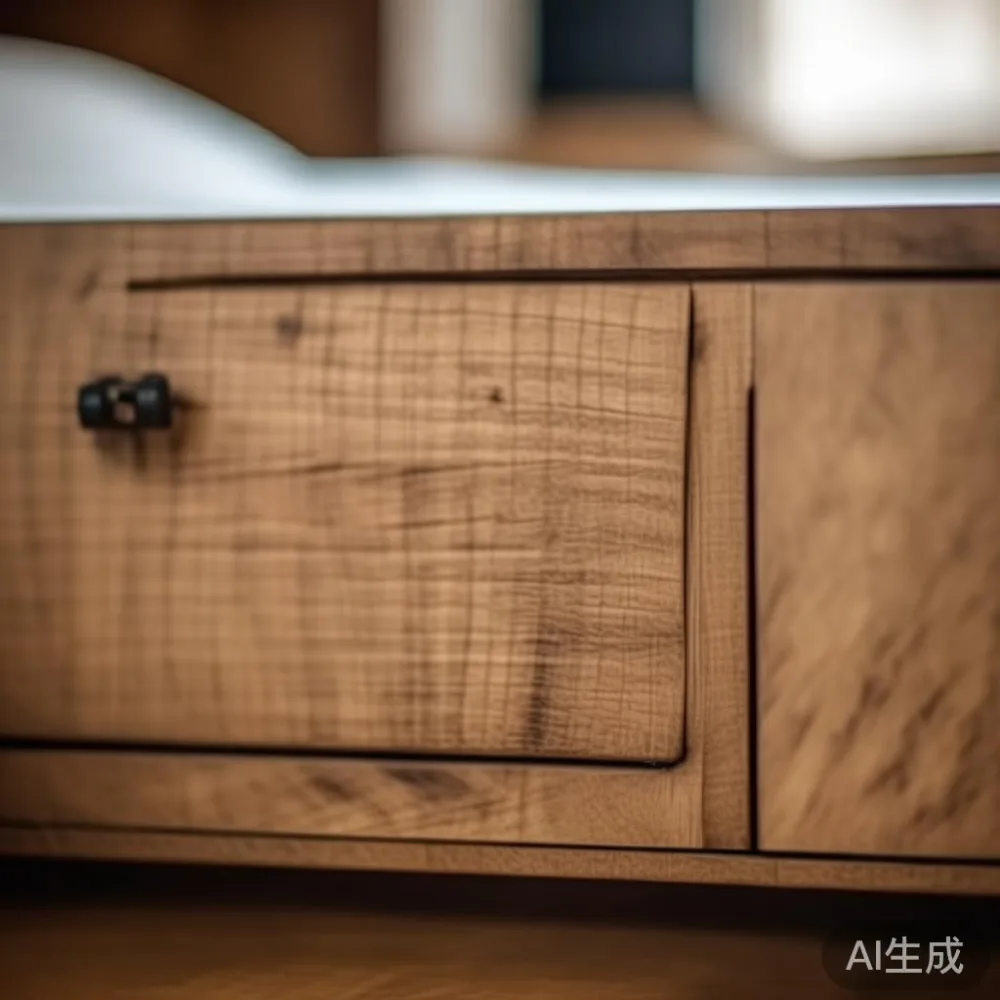
This is a common question from homeowners who have invested in a statement piece like a lacquered wardrobe. The process is straightforward but requires the right tools and technique to avoid common mistakes. Begin by ensuring the wardrobe's surface is free of dust and loose particles. Use a soft, dry microfiber cloth to gently wipe down the entire surface. For a more thorough clean, you can use a dedicated wood polish or a solution of mild dish soap and water. If using the soap solution, use only a few drops in a large bucket of water—never a concentrated solution. Dip a soft cloth into the soapy water, wring it out until it is almost dry, and then wipe the wardrobe surface. Immediately after, take a second, clean, dry cloth and buff the surface dry. This two-step process ensures no moisture is left behind.
It is important to avoid certain products. Never use abrasive cleaners, harsh chemicals like ammonia or bleach, or generic all-purpose sprays. These can strip away the protective lacquer layer, leaving the wood exposed. Similarly, avoid using silicone-based polishes. While they may create a temporary shine, they can build up over time, creating a cloudy film that is difficult to remove and can interfere with future refinishing. For those wondering how to choose French wardrobe, one of the key considerations is understanding its care requirements, as many French styles feature intricate lacquered finishes that demand this gentle cleaning approach.
Seasonal Deep Cleaning and Maintenance
Beyond daily dusting, your lacquered bedroom decor benefits from a more intensive seasonal deep cleaning. This is especially important during the Northeast Monsoon season, from December to March, when the monsoon rains can push humidity levels to their peak. A good time for this deep clean is at the beginning of the year, after the festive period when the home might have accumulated more dust.
The process involves a more detailed inspection and cleaning. Start by emptying the contents of your nightstands and wardrobe to access all surfaces. Use a soft brush attachment on your vacuum cleaner to carefully remove dust from carvings, grooves, and the tops of wardrobes that are hard to reach by hand. For the main surfaces, you can use a high-quality, non-silicone furniture polish. Apply a small amount to a soft cloth and rub it onto the lacquered surface in a circular motion. Let it sit for a minute to nourish the finish, then buff it with a clean, dry cloth to restore the shine. This not only cleans but also helps to replenish the oils in the wood, keeping the lacquer flexible and less prone to cracking. During these high-humidity months, consider using a dehumidifier in your bedroom, especially if you live in an apartment with poor ventilation. Running it for a few hours each day can help maintain a more stable humidity level, creating a more stable environment for your furniture.
Addressing Common Problems: Hazing and Minor Scratches
Despite your best efforts, you might encounter issues like hazing or minor scratches. Hazing, or a cloudy appearance, is often caused by moisture trapped under the finish or by using the wrong cleaning products. For light hazing, sometimes a thorough buffing with a clean, dry microfiber cloth can help. If the haze persists, it may require a gentle polishing compound specifically designed for lacquered or high-gloss finishes. Apply a tiny amount to a soft cloth and work it in a small, inconspicuous area first to ensure it does not damage the finish.
Minor scratches can be buffed out with a high-quality scratch repair kit made for wood furniture. These kits typically contain a wax or filler that matches the wood tone. For deeper scratches, or for a professional-grade result, it is best to consult a specialist refinishing service. Many reputable furniture makers, including brands like MIDHILL, offer lifetime refinishing services as part of their warranty, which can be a valuable resource for restoring a piece to its original condition. When looking for for sale Post-modern furniture, it's wise to check the warranty terms to understand what maintenance and repair services are included, as this speaks to the brand's confidence in their product's longevity.
Investing in Quality: A Smart Choice for the Singaporean Home
For furnishing your bedroom, the initial price tag is only one part of the equation. The true cost of a piece of furniture is determined by its lifespan and how well it withstands the test of time and environment. This is where investing in high-quality, solid wood furniture with a proper lacquered finish proves to be a wise decision. A well-made piece, such as a solid wood bed frame or a sturdy wardrobe from a reputable Foshan-based maker, is constructed with superior joinery and higher-grade wood that is more stable and less prone to warping. The lacquer finish is applied in a controlled environment with multiple layers, creating a more resilient and impermeable barrier against humidity.
Consider the alternative: cheaper, mass-produced furniture made from particleboard or low-quality wood with a thin veneer. In Singapore's climate, such pieces are far more likely to swell, warp, and have their finishes peel or bubble within a few years. This not only ruins the aesthetics of your bedroom decor but also leads to the expense and hassle of replacing the furniture. A quality piece, on the other hand, becomes a lasting part of your home. For example, finding under 2000 Japandi furniture that is well-made means you are acquiring a functional and beautiful object that will serve you for a decade or more, offering far better value in the long run. The peace of mind that comes with a 10-year structural warranty, like the one offered by some manufacturers, is a proof of the confidence they have in their craftsmanship, ensuring your investment is protected for years to come.