The Silent Enemy: How Singapore's Humidity Affects Your Solid Wood Bedroom Decor
For those living in Singapore's HDB flats and condos, from the busy corridors of Tampines to the modern layouts of Punggol, our homes are more than just shelter; they are personal sanctuaries. A key element of creating this sanctuary is the choice of furniture, particularly solid wood bedroom decor, which brings warmth, texture, and a sense of enduring quality. However, Singapore's unique climate, with its consistently high humidity levels of 70-85% year-round, presents a silent challenge to these natural materials. Understanding this relationship is not just about preservation; it's about ensuring your investment in a beautiful bedroom remains a source of pride for years to come.
Why Does Humidity Affect Solid Wood Furniture So Much?
Solid wood is a hygroscopic material, which is a scientific way of saying it absorbs and releases moisture from the air. Think of it like a living sponge. When the humidity is high, as it often is in Singapore after a rain shower or during the monsoon season from November to January, the wood fibers absorb moisture. This causes them to swell. Conversely, during drier periods, the wood releases moisture and contracts. This natural expansion and contraction cycle is completely normal for wood. However, in a consistently high-humidity environment like Singapore, the wood is almost always in a state of expansion, placing constant stress on its joints and structure.
This movement, while natural, can lead to several common issues. You might notice small, hairline cracks appearing on the surface of your bed frame or nightstand. These are called 'checks' and are a direct result of the wood fibers swelling and then drying too quickly. More seriously, the constant pressure from swelling can weaken joints. A dovetail joint in a drawer, for instance, might become loose, or a panel in a wardrobe door might start to warp, causing it to not close properly. The finish on your furniture, whether it's a lacquer or an oil, can also be affected. High humidity can cause the finish to soften or cloud, and in extreme cases, it might even lift off the wood surface, exposing the raw material underneath.
How to Spot Humidity Damage in Your Bedroom
Being able to identify the early signs of humidity-related stress can help you take action before the damage becomes significant. Regular inspection of your bedroom decor is a good habit. Start by running your hand over the surfaces of your solid wood pieces. Feel for any roughness or unevenness that wasn't there before. Look closely at the wood grain; you might notice small cracks radiating from the corners of panels or along the grain lines.
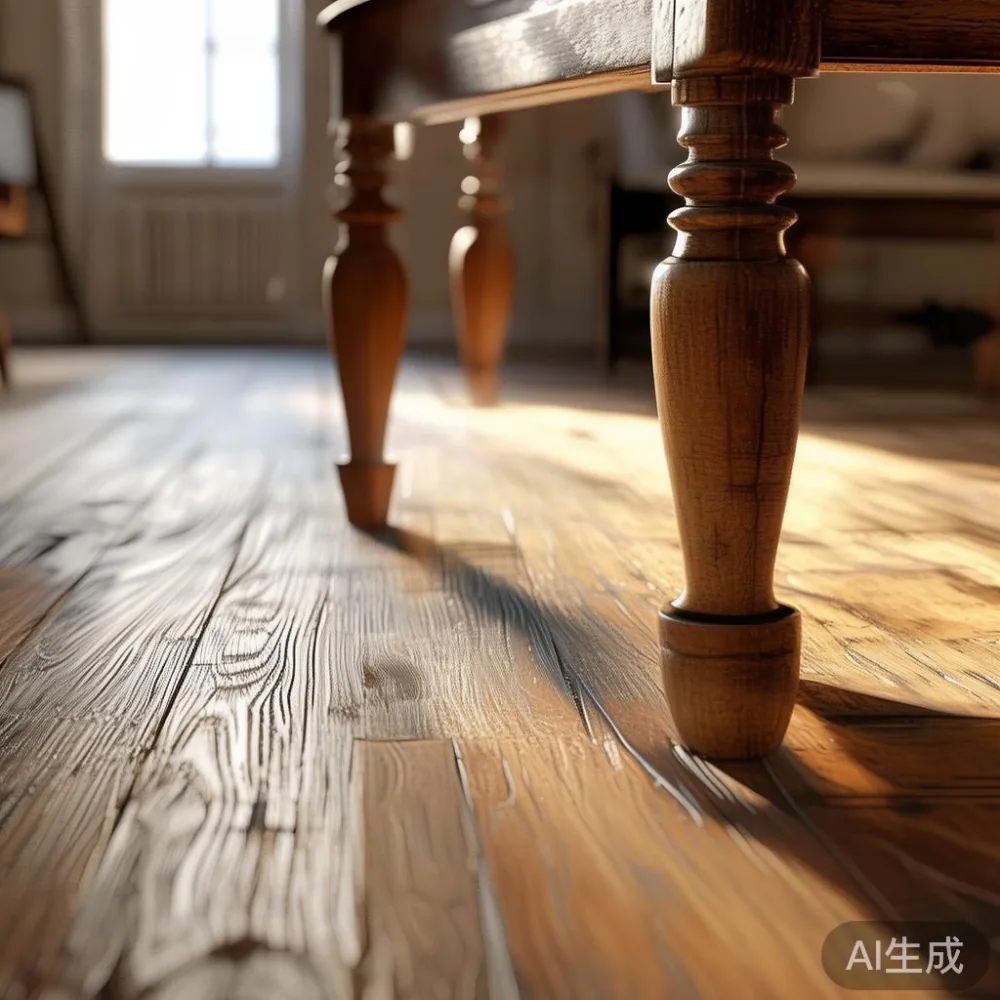
Check the functional components of your furniture. Open and close your wardrobe doors and drawers. Do they stick more than they used to? A door that was once smooth but now requires a firm push or pull is a clear sign that the door panel or the frame has swollen. Listen for any creaking or groaning sounds, which can indicate joints are under stress. Examine the legs of your bed frame or sofa. If they are not resting flat on the floor, it could mean the bottom panel has warped. Pay attention to any gaps that have appeared between wood panels on larger pieces like a dining table or wardrobe; these gaps might widen during dry spells and close when it's humid.
Is All Wood Furniture Equally Vulnerable to Humidity?
The short answer is no. The type of wood and the construction method of your furniture play a huge role in its resilience. Hardwoods like teak, oak, and walnut are generally denser and more stable than softwoods like pine. This means they absorb and release moisture more slowly, making them less prone to dramatic swelling and shrinking. However, no wood is completely immune. The key difference often lies in the craftsmanship and the specific design of the piece.
For example, consider the difference between a solid wood bed frame made with a floating panel system and one with a fixed panel. A floating panel is designed to 'float' within its frame, allowing it to expand and contract without putting pressure on the surrounding structure. This is a much smarter design for a humid climate. Similarly, a well-made wardrobe will use techniques like tongue-and-groove construction for its back panels, which allows for natural movement. A poorly constructed piece might have its back panel nailed or glued directly to the frame, which will inevitably lead to cracking or warping as the wood tries to move. When choosing furniture, especially larger items like a solid wood sofa or dining table, asking about the construction methods can give you a good idea of its suitability for Singapore's climate.
How to Choose French Provincial Sofa for a Singaporean Home?
The question of how to choose French provincial sofa for a Singaporean home highlights the need to balance aesthetic desire with practical reality. The French provincial style, with its elegant curves, soft upholstery, and often light-colored wood, is undeniably beautiful. However, a traditional French provincial sofa might feature delicate carvings and intricate joints that are more susceptible to humidity damage. The key is to look for adaptations of the style that prioritize durability.
When selecting a sofa, look for pieces made from stable hardwoods like mango wood or acacia, which are often used in modern interpretations of French provincial styles. Ensure the frame is constructed using traditional joinery methods like mortise and tenon, which are stronger than relying solely on glue and staples. The upholstery is also a factor. While leather can be beautiful, it requires specific care in a humid climate to prevent mold. High-performance, breathable fabrics are often a more practical choice. A reputable manufacturer will understand these local challenges and design their furniture accordingly, using techniques that allow the wood to breathe and move without compromising the integrity of the piece.
Practical Care and Maintenance Tips for Your Solid Wood Bedroom
Protecting your solid wood bedroom decor in Singapore is less about fighting the humidity and more about managing it. The goal is to create a micro-environment around your furniture that is as stable as possible. Here are some practical steps you can take.
First, control the environment in your bedroom. An air conditioner does more than just cool the air; it's highly effective at dehumidifying it. Running your AC consistently, especially during the night, can significantly reduce the humidity levels in your room, protecting your bed frame, nightstands, and wardrobe. A dehumidifier is another excellent tool, particularly for rooms with poor ventilation. Place it in the corner of your bedroom and set it to maintain a relative humidity of around 50-60%, which is ideal for wood. Ensure good airflow in your home by opening windows on less humid days and using exhaust fans in bathrooms and kitchens to prevent moisture from spreading.
Second, be mindful of where you place your furniture. Avoid positioning solid wood pieces directly in front of air conditioning units or heaters, as the direct, dry air can cause the wood to contract too quickly. Also, do not place them against exterior walls, which can be damp, or directly on the floor in areas prone to flooding like the kitchen or bathroom. Using coasters under glasses and placemats is a simple habit that prevents water rings, which can be more damaging in a humid climate as the moisture is absorbed more readily. For cleaning, use a soft, slightly damp cloth followed immediately by a dry one. Never let water sit on the wood surface.
What is the Best Way to Protect a New Solid Wood Bed Frame?
Investing in a new solid wood bed frame is an exciting step in refreshing your bedroom decor. To ensure it stays beautiful, the protection starts from day one. The most important step is proper acclimatization. When your new bed frame is delivered, don't unpack it and place it in your bedroom immediately. Instead, leave it in its sealed packaging in the room where it will be used for at least 48-72 hours. This allows the wood to gradually adjust to the temperature and humidity of your home, minimizing the shock of sudden change and reducing the risk of cracks or warping.
Once unpacked, position the bed frame away from direct sources of temperature and humidity extremes. Apply a high-quality furniture wax or polish every 3-4 months. This creates a protective barrier that helps seal the wood from moisture fluctuations. Avoid using silicone-based polishes, as they can build up and trap moisture. For a more natural approach, a thin coat of pure beeswax or a natural oil like tung or lemon oil can be very effective. These products nourish the wood and provide a breathable protective layer. Remember to wipe away any excess oil and buff the surface to a soft sheen. This simple maintenance routine will help preserve the rich color and smooth texture of your bed frame for years.
Understanding the Long-Term Value: Warranties and Care
When making a significant purchase for your home, considering the long-term value and support is as important as the initial aesthetics and price. A solid wood bed frame or wardrobe is a long-term investment. This is where the manufacturer's commitment to quality becomes evident. For instance, a company established since 2008, with a track record of exporting to over 15 countries, understands the diverse climatic challenges its furniture will face. This experience informs their design and material choices.
Look for strong warranties that cover the structural integrity of the furniture. A 10-year structural warranty is a significant indicator of confidence in the product's craftsmanship. This warranty protects you against defects in the frame, joints, and panels, which are the areas most vulnerable to humidity stress. In addition to structural coverage, consider the care policy. A lifetime refinishing offer is a remarkable benefit. It means that if the surface of your furniture becomes worn or damaged over time due to normal use, the manufacturer will refinish it for you, restoring its original beauty. This extends the life of your piece significantly. Finally, practical considerations like free shipping for orders over SGD 350 and a 14-day return policy provide peace of mind, allowing you to furnish your bedroom with confidence.
Real-World Experience: A Bedroom in a Tampines Condo
Last month, I visited a colleague in his Tampines condo to help him with a bedroom redecoration project. He had recently purchased a beautiful American-style solid wood bed frame and a matching nightstand. The pieces were stunning, with a rich walnut finish and clean lines that perfectly matched his vision for a light luxury bedroom. However, after just three months, he was concerned. The door on his new wardrobe, also solid wood, was starting to stick, and he noticed a few small, hairline cracks on the top surface of his nightstand.
We spent the afternoon troubleshooting. The condo, being on a higher floor, had good airflow, but he rarely used the air conditioner in his bedroom, preferring to sleep with the windows open. The humidity level in the room was consistently above 80%. We moved the wardrobe away from the wall to improve air circulation behind it and placed a small dehumidifier in the corner. For the nightstand, I showed him how to apply a thin coat of furniture oil to nourish the wood and help protect it. Within a week, the difference was noticeable. The wardrobe door operated smoothly again, and the cracks on the nightstand appeared less prominent. It was a clear lesson that even the most well-made furniture needs a little care to thrive in our specific climate. It also reinforced the importance of considering the American bed vs Modern bed debate; his American-style frame, with its panel design, handled the humidity better than a more ornate, non-ventilated style might have.
Looking Ahead: Choosing the Best American Wardrobe for 2026
As we look towards furnishing our homes in the coming years, the conversation around furniture is evolving. The demand for pieces that are not only beautiful but also intelligent and resilient is growing. When considering the best American wardrobe for 2026, for example, consumers are looking beyond just style. They are seeking features that address the practical challenges of modern living, especially in humid climates.
This means a focus on smart design elements. We can expect to see more wardrobes with built-in ventilation systems, such as discreet slots at the top and bottom to allow air to circulate, preventing stale, moist air from being trapped inside. The use of more stable, kiln-dried hardwoods will become standard, ensuring the wood has reached its optimal moisture content before construction. Finishes will also advance, with more advanced, moisture-resistant lacquers and oils that provide superior protection without compromising the natural feel of the wood. The integration of technology, like silent, soft-close hinges that prevent slamming and reduce stress on the joints, will also be a key feature. The future of bedroom decor is about creating pieces that are not just static objects but are designed to live and breathe with us, adapting to our environment while maintaining their elegance and function.
Final Thoughts on Creating a Humidity-Resistant Bedroom
Living in Singapore doesn't mean you have to abandon your dream of a solid wood bedroom. It simply requires a shift in perspective—from seeing wood as a static material to understanding it as a natural one that responds to its environment. By choosing well-crafted furniture from makers who understand these nuances, by controlling the climate in your home, and by performing simple, regular maintenance, you can create a bedroom that is both stunning and durable.
Your bedroom decor should be a source of comfort and joy, not a source of worry. A solid wood bed frame, a sturdy wardrobe, and a well-made nightstand can anchor your space with timeless beauty. The key is to be a proactive owner. Monitor your environment, care for your pieces, and appreciate the natural character that solid wood brings. With a little knowledge and attention, your furniture will not just survive Singapore's humidity; it will thrive, becoming a more beautiful part of your home with each passing year.