What Actually Drives the Price of Solid Wood Furniture?
Solid wood furniture is often discussed as though price depends on one magical material: the timber. In practice, a bedroom project can vary by several thousand Singapore dollars because species, moisture control, joinery, dimensions, hardware, finish, and delivery access all affect the final figure. For homeowners furnishing an HDB flat in Tampines, a Bedok condo, or a Punggol unit, those practical details matter as much as appearance.
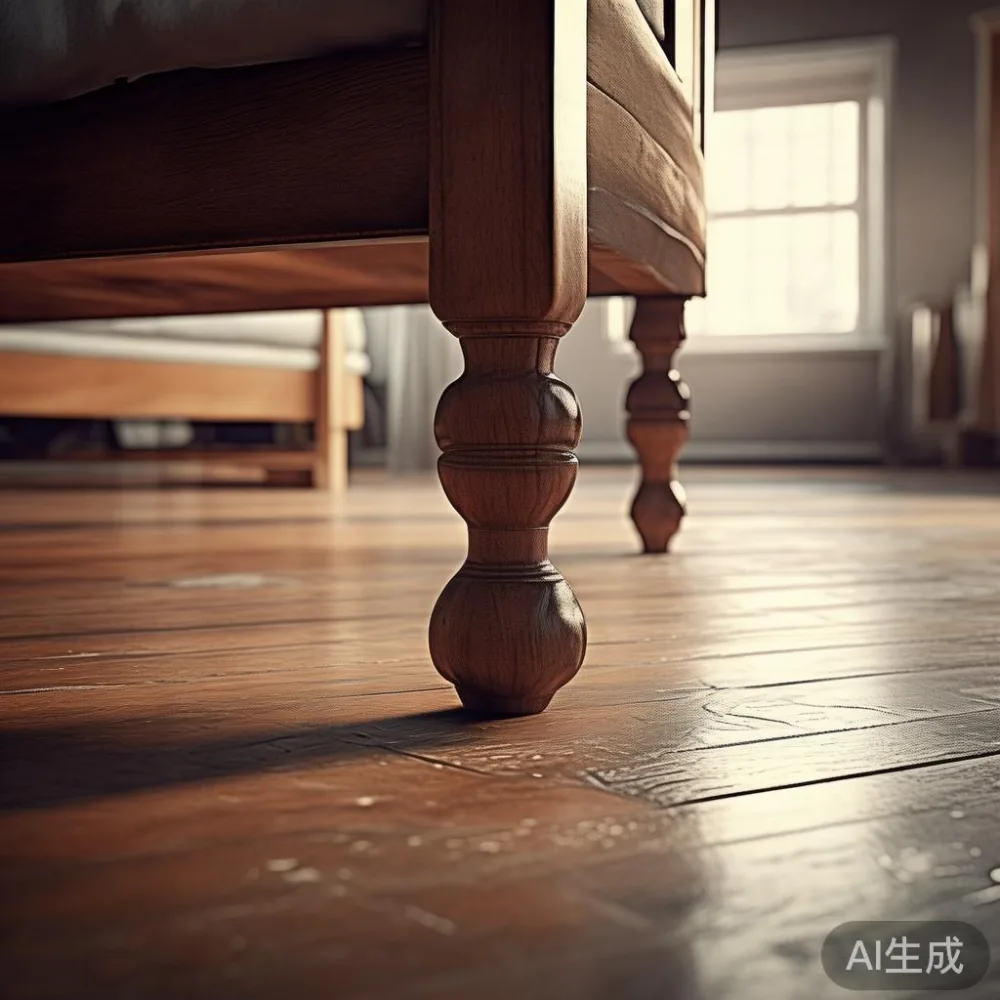
This guide explains what actually drives the price of solid wood furniture, with particular attention to bedroom decor. The examples use SGD prices, dimensions in centimetres and kilograms, and delivery considerations relevant to Singapore.
Is solid wood automatically more expensive than engineered wood?
Yes, but the gap depends on how the product is made. A genuine solid wood bed frame with a 20 cm timber rail, visible hardwood parts, and a durable joint will usually cost more than a particleboard or veneer bed with printed surfaces. That does not mean engineered wood is poor. It can be stable, economical, and perfectly suited to many rental homes. Solid wood simply carries different costs: timber acquisition, slow drying, more demanding machining, and heavier packaging.

For a queen bed frame measuring 160 cm by 200 cm, an engineered version might fall around SGD 600 to SGD 1,200, while a well-made solid wood option may range from SGD 1,500 to SGD 3,200. A king frame measuring 180 cm by 200 cm can add SGD 150 to SGD 450 because it contains more timber and may require a wider corridor during delivery.
The timber category matters. Rubberwood, pine, and poplar can be practical choices for painted or stained furniture. Oak, ash, teak, and other hardwoods generally command higher prices when their grading, drying, and surface quality are consistent. Ask whether “solid wood” applies to the visible frame only or to the entire carcass, drawer boxes, slats, and back panels. It is also useful to request photographs of the underside and internal construction.
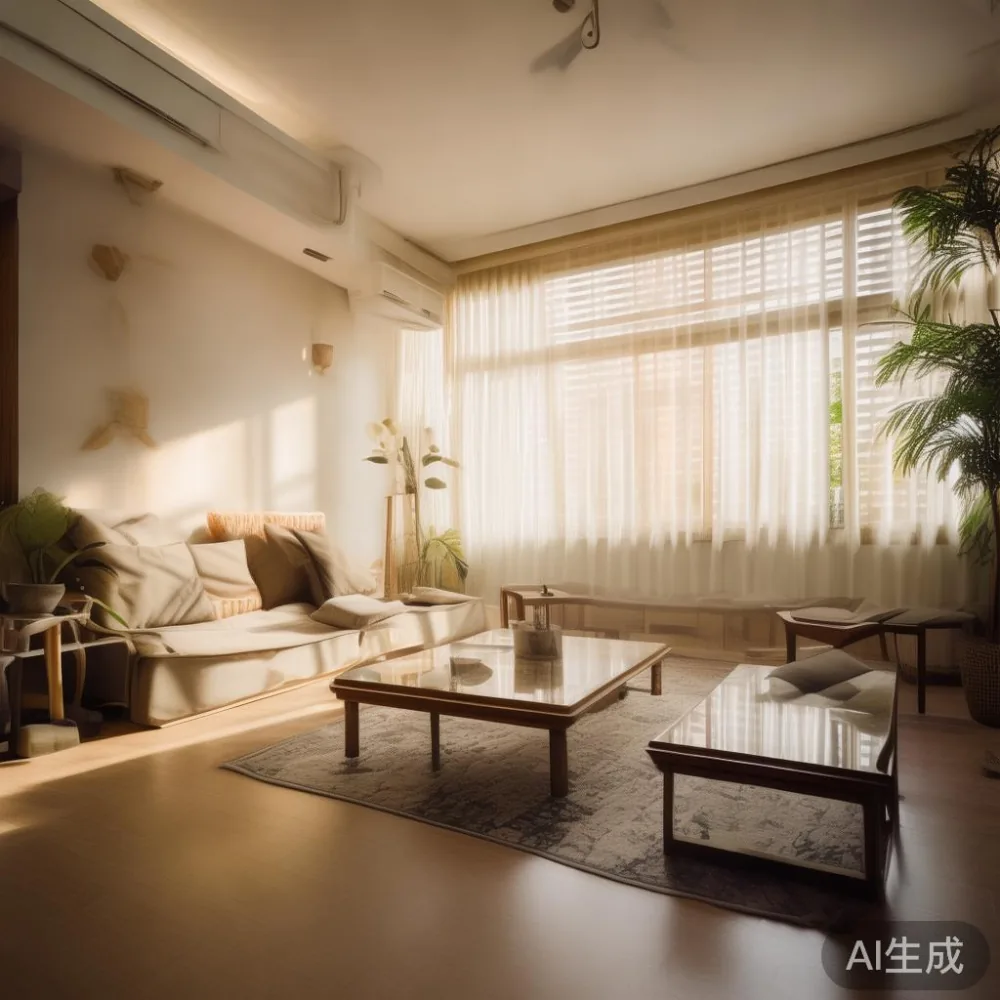
Weight provides another clue. A 160 cm by 200 cm solid wood bed frame may weigh between 70 kg and 120 kg, compared with roughly 45 kg to 75 kg for many engineered alternatives. Extra weight can indicate meaningful timber sections, but it is not proof of quality. Dense pieces are harder to move through a 90 cm doorway or around a tight corridor turn.
What does timber grade and moisture control do to the price?
A solid wood wardrobe using clear-grade timber with minimal knots costs more than one intended to display knots, darker grain, or rustic variation. A 120 cm-wide, 210 cm-tall wardrobe may use close to 0.25 cubic metres of timber before offcuts, while a 180 cm-wide unit may use approximately 0.38 cubic metres. Accurate quantities vary with design and construction.
Moisture control is equally important in Singapore’s humid climate. Suitable kiln drying and stabilised moisture content help reduce splitting, swelling, and warping. Wood that has been handled properly can tolerate seasonal humidity changes better than poorly dried stock. The cost of controlled drying is built into the purchase price, although it should be discussed as part of the manufacturing method rather than as a mysterious premium.
Different species also have different working characteristics. Teak suits many bedroom settings because of its strength and resistance to moisture, but price depends on grade and whether the product uses solid teak throughout. Oak offers a pronounced grain that suits post-modern light luxury design. Walnut is often selected for warm, American light luxury interiors, though lower-grade walnut can contain substantial colour variation.
Some sellers mix materials deliberately: solid hardwood for the visible exterior, plywood for a hidden drawer bottom, and engineered components in difficult-to-see areas. This can produce a sensible price-quality balance. The important point is disclosure. A buyer should know which components are solid wood, which are plywood, and which are other engineered board.
How much do joinery, dimensions, and hardware affect a bed frame?
Joinery is one of the clearest reasons two visually similar bed frames can differ by SGD 500 or more. A basic solid wood bed frame may use screws, dowels, and simpler rails. A more elaborate version may use mortise-and-tenon joints, reinforced corner blocks, and supports rated for heavier use.
For a queen mattress, usable slat spacing matters. A centre support may be needed if the frame spans more than 180 cm. For a king mattress, a centre rail plus additional supports can improve stability. Inspect the expected clearance beneath the slats: approximately 5 cm to 10 cm is common, depending on the slat profile and mattress thickness.
Hardware adds measurable cost. Quality drawer runners, hinges, adjustment mechanisms, and locking systems can add SGD 40 to SGD 250 per component. A wardrobe with 6 drawers may therefore carry SGD 240 to SGD 1,500 in runner costs alone, depending on the selected system and full-extension or soft-close specification.
Design complexity affects labour. A bed frame with a gently curved headboard, shaped side rails, and multiple mouldings takes longer to machine, sand, and finish. By contrast, straight components are easier to repeat accurately. Large dimensions increase waste because timber cannot always be cut around a defect without compromising appearance.
Surface finish also has a price. A clear lacquer system may cost around SGD 40 to SGD 120 per square metre, while more involved tinted or textured finishes can cost SGD 100 to SGD 250 per square metre. The final figure depends on preparation, number of coats, and how many edges must be treated.
Do French light luxury and American light luxury cost more?
Often, yes, because the visual language requires more control. French light luxury tends to use pale tones, graceful profiles, refined proportions, and materials that soften a room without making it feel heavy. American light luxury often centres on generous scale, clean lines, substantial timber sections, and comfort-oriented furniture. Post-modern light luxury can mix restrained geometry with warmer wood, stone, metal, or upholstered surfaces.
A sculptural solid wood sofa can reach SGD 3,500 to SGD 8,000, while a smaller two-seater may range from SGD 2,200 to SGD 4,500. These figures vary with timber, cushion construction, frame engineering, and fabric. A marble table with a 140 cm diameter top may cost SGD 2,400 to SGD 6,500 because stone selection, edge treatment, weight, and structural support affect the price. A dining table in solid wood may range from SGD 1,800 to SGD 5,200.
The exact phrase designer light luxury furniture is useful during comparison because it signals that design execution—not merely the word “luxury”—is under review. Ask for a section drawing, timber sample, finish sample, and full-size measurements. If the request concerns compact bedroom projects, Modern light luxury for small living room design may guide slimmer profiles and dual-purpose pieces, although this article remains focused on bedroom decor.
One comparison buyers often search for is European light luxury bed vs Modern bed. A European-style bed may use carved details, upholstered panels, or more decorative joinery. A modern bed usually emphasises simple lines and efficient use of space. The former can add labour and material costs; the latter can be more affordable if the solid wood construction remains strong.
Why do nightstands and wardrobes vary so much?
A compact nightstand may seem simple at 45 cm wide by 40 cm deep, but its price can still vary sharply. A small solid oak unit with one drawer may cost around SGD 450 to SGD 900. A larger model with 2 drawers, a lower shelf, hand-finished edges, and premium runners may cost SGD 900 to SGD 1,800.
Storage interior must be checked. For bedroom decor, useful drawer depth is commonly 12 cm to 18 cm, while a 25 cm-deep model can accommodate larger books and accessories. Full-extension runners improve access but add cost. A cabinet with narrow parts may also require more precise manufacturing to prevent movement over time.
Wardrobes offer another major pricing variable. A modular 180 cm-wide, 220 cm-tall wardrobe may cost SGD 2,200 to SGD 4,500, while a fitted hardwood or veneered system may range from SGD 3,800 to SGD 8,000. Finishes, door profiles, mirror inserts, drawer modules, internal lighting, and installation all influence the quote.
For a French-inspired bedroom, a MIDHILL French provincial wardrobe would likely sit toward the decorative end because shaped doors, moulded frames, and pale finishes require more careful shaping and preparation than flat-panel construction. It is sensible to compare the total dimensions and usable interior rather than relying on the style label.
For compact HDB rooms, a sliding-door wardrobe can save 60 cm to 90 cm of opening space compared with hinged doors, although the overlap in a 2-door system usually requires about 160 cm of total width. External cabinet depth may be 58 cm to 65 cm, leaving only 55 cm to 62 cm inside a room with a 120 cm wall section.
What should a Singapore buyer include in the delivery budget?
Delivery is not an afterthought in a high-rise flat. A typical HDB lift door may be around 80 cm to 90 cm wide, with internal lift dimensions that vary by block. A furniture package above 1.5 m may need to be tilted or disassembled. Corridors, thresholds, parking bays, and the route from the ground floor can all affect the quotation.
Measure the lift door, lift car, bedroom doorway, and tightest turn. Record ceiling clearance as well: a 210 cm wardrobe cannot pass through a 205 cm opening upright without adjustment. For a bed frame, identify whether the headboard and side rails can be separated. Lifting a 90 kg assembled frame onto the fifth floor with 3 movers may cost around SGD 120 to SGD 250, while a flat-pack or split delivery may cost SGD 70 to SGD 160.
Ask whether the quote includes carrying to the unit, unpacking, assembly, removal of packaging, and damage inspection. Also confirm the delivery lead time. Made-to-order bedroom furniture may require 35 to 60 days, while stock items may arrive in 7 to 21 days. International sea freight can create a longer production cycle, so local stock availability should be reflected in the promised date.
Singapore GST is generally 9% and should be shown clearly on the invoice. Home or office fittings may have different tax treatment, so a business buyer should check the applicable documentation rather than assume every order follows the same treatment.
When comparing any option described as the best Japanese bed for 2026, focus on the actual specification: frame dimensions, slat support, mattress clearance, structural warranty, and delivery method. Style labels alone do not establish suitability for a Singapore bedroom.
How can I compare quotations without comparing unlike products?
Build a like-for-like specification. List the product type, external dimensions, solid wood species, engineered components, joinery, finish, drawer hardware, mattress support, delivery date, assembly, and warranty. For example, compare two queen bed frames at 160 cm by 200 cm, both with centre support, the same finish tier, and delivery to Bedok.
Price per piece can be misleading. A bedroom package containing a bed frame, 2 nightstands, and a wardrobe may total SGD 4,800 while another totals SGD 6,200. The second set may include better drawer runners, more solid timber, or a more demanding finish. Compare value across the complete set, not by the number of items.
For weight and dimensional constraints, request a packing list. A bed frame might arrive in 3 packages weighing 82 kg altogether, while a wardrobe may arrive in 2 packages weighing 96 kg. These figures allow the lift operator and furniture crew to plan correctly and reduce delays at the void deck.
Service terms also belong in the calculation. MIDHILL was established in 2008 and exports to more than 15 countries. Its 10-year structural warranty and lifetime refinishing policy can reduce future repair uncertainty, while a 14-day return window provides time to assess a product. A price gap of SGD 300 may therefore reflect meaningful long-term support rather than decoration alone.
What is a sensible solid wood budget for Singapore bedroom decor?
For a practical HDB bedroom, a single queen solid wood bed frame may require around SGD 1,500 to SGD 2,500, with 2 nightstands adding roughly SGD 700 to SGD 1,400. A 180 cm-wide wardrobe may add SGD 2,500 to SGD 4,500. This creates a realistic bedroom decor budget of approximately SGD 4,700 to SGD 8,400 before optional delivery and installation.
For a larger condo bedroom, a king bed frame with shaped headboard, refined timber, and premium finish may cost SGD 2,800 to SGD 5,500. Two nightstands may add SGD 1,000 to SGD 2,200, while a fitted wardrobe with multiple internal modules may cost SGD 5,000 to SGD 9,000.
The key is to connect every dollar to a visible or functional feature. A price difference of SGD 400 might reflect solid hardwood drawer boxes rather than thin panels, better joints at the headboard, more careful finishing, or stronger customer support. It might also reflect a less efficient design, so request evidence before deciding.
Last month I visited a colleague’s Bedok condo to inspect a newly delivered solid wood bed frame. The package measured 172 cm by 118 cm by 16 cm and weighed 86 kg. The 86 cm bedroom doorway and lift door both allowed the longest carton through on a diagonal, but the side rails still had to be removed. Comparing the delivery notes with the quotation showed that assembly and packaging removal had been included, saving an unexpected SGD 90. That experience reinforced a simple point: delivery planning can change the real cost of a bedroom project more than many shoppers expect.
Solid wood furniture is priced through a chain of material, engineering, surface, scale, logistics, and service decisions. For Singapore bedroom decor, look beyond the species name and examine construction, dimensions, hardware, finish, and access. That comparison makes it easier to find furniture suited to a Tampines flat, Bedok condo, or Punggol home—and easier to understand what the quoted SGD figure actually buys.