What Actually Drives the Price of Solid Wood Bedroom Decor
For many homeowners in Singapore, from those in compact Tampines HDB flats to those with more spacious Punggol condominiums, the bedroom is a personal sanctuary. It's a space for rest, reflection, and personal expression. This is why choosing the right bedroom decor is such a significant decision. When browsing for a new bed frame, wardrobe, or nightstand, you'll notice a vast price range. A simple, mass-produced piece might cost a few hundred Singapore dollars, while a high-end solid wood option can easily run into several thousand. What creates this disparity? Is it just the brand name, or is there more to the story? The answer lies in a complex interplay of factors, from the raw material itself to the intricate craftsmanship and logistical considerations that are particularly relevant in our urban island state.

Why Solid Wood is the Foundation of Price?
The term 'solid wood' itself is a starting point, but it's not a single entity. The type of wood used is arguably the most significant factor determining the base cost of any piece of bedroom decor. Not all woods are created equal, and their inherent properties directly influence the price tag.
Hardwoods, derived from deciduous trees, are denser, more durable, and generally more expensive than softwoods. Common hardwoods used in furniture include oak, maple, cherry, and walnut. Oak, for example, is a favourite for its strength and distinctive grain patterns. A solid oak bed frame will command a higher price than one made from pine. My colleague, Sarah, who recently furnished her Bedok HDB unit, noted the difference firsthand. She opted for a solid walnut nightstand for SGD 850, explaining that while it was more expensive than the pine alternatives, the rich colour and dense feel were worth the investment for a piece she intended to keep for decades.
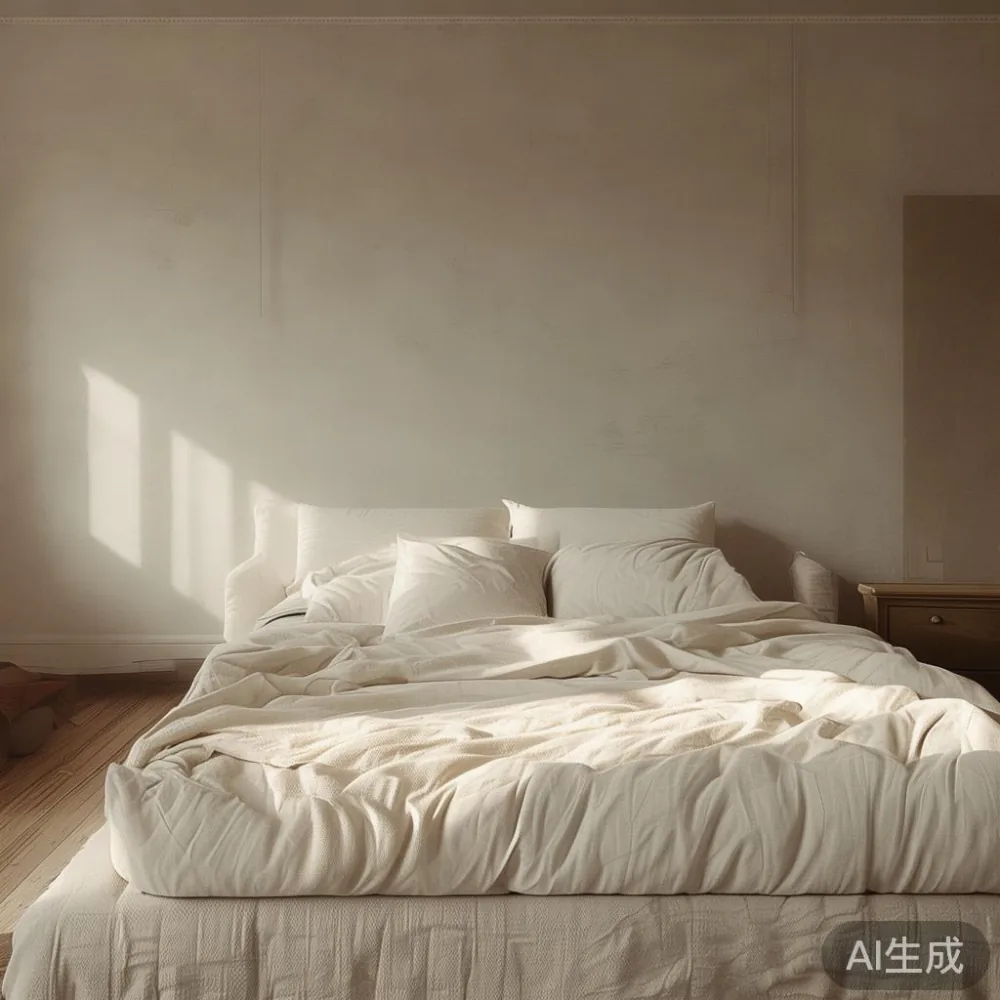
Softwoods, like pine or cedar, grow faster and are easier to work with, making them more affordable. Pine is a popular choice for bedroom decor in Singapore due to its cost-effectiveness and light, airy aesthetic, which can make smaller rooms feel more spacious. However, it is more susceptible to dents and scratches over time. The choice between a hardwood and a softwood is a trade-off between upfront cost and long-term durability and aesthetic value. For a primary bedroom suite where longevity and a premium feel are desired, a solid wood like oak or mahogany might be the preferred choice, justifying a higher price point.
How Craftsmanship and Design Influence the Final Cost
Once the material is selected, the human element takes over. The quality of craftsmanship is a silent but powerful driver of price. A machine can cut a board to size, but it cannot replicate the nuanced skill of a master artisan. This is where the distinction between mass production and artisanal creation becomes clear.
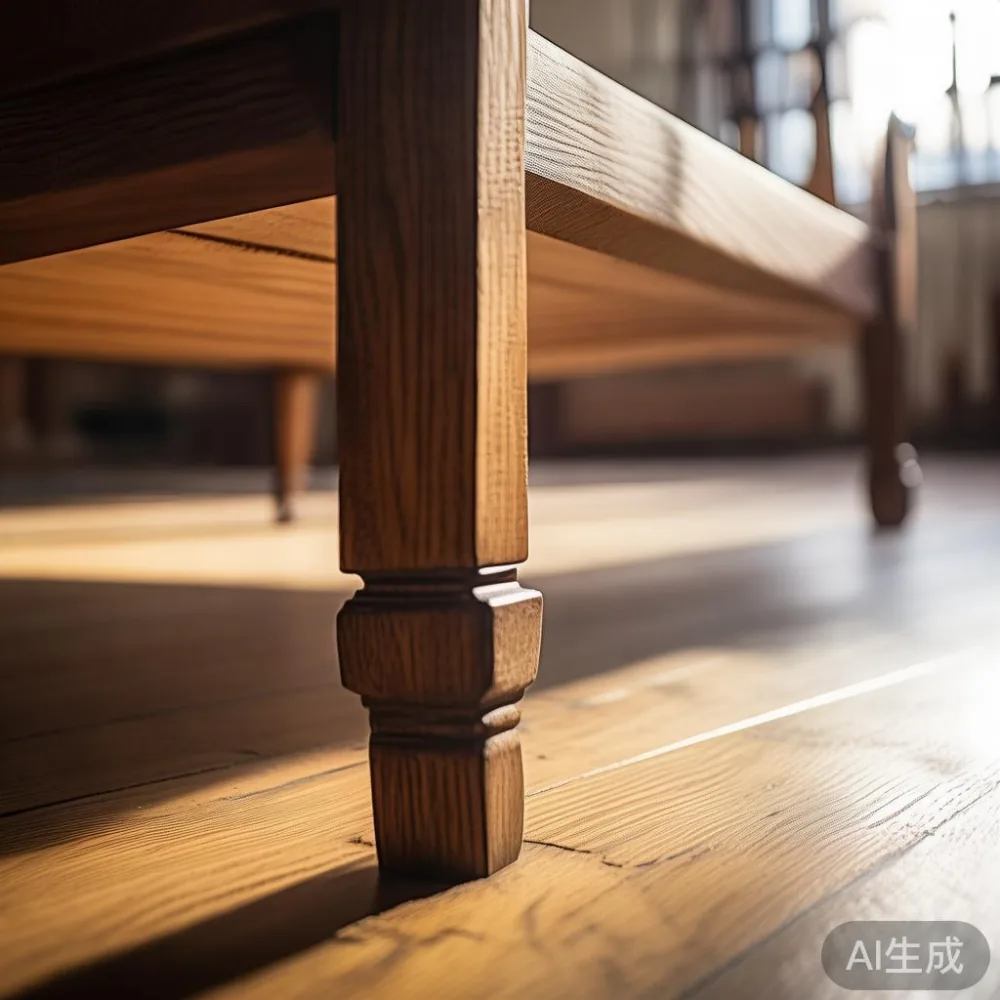
Consider a wardrobe. A basic, flat-pack wardrobe might be assembled with simple dowels and screws. In contrast, a high-end, solid wood wardrobe from a maker like MIDHILL will feature dovetail joints for the drawers, mortise and tenon joints for the frame, and hand-finished details. These construction methods are far more labour-intensive but result in a piece of furniture that is exceptionally strong and can be disassembled and reassembled multiple times without losing its integrity. This level of joinery is a hallmark of quality furniture and adds significantly to the production time and cost.
Design complexity also plays a role. A simple, clean-lined bed frame will be less expensive to produce than one with intricate carvings, curved legs, or inlays. The design style—whether it's French light luxury with its ornate details, American light luxury focusing on comfort and scale, or post-modern light luxury with its geometric forms and mixed materials—dictates the amount of labour and skill required. A post-modern light luxury nightstand with a marble top and brushed brass handles involves not only woodworking but also the precise fitting of stone and metal components, each adding a layer of cost to the final product.
Why Singapore's Living Spaces Matter More Than You Think
In a country where space is at a premium, the physical dimensions and logistics of furniture are not afterthoughts; they are core components of the price. Singapore's unique housing landscape, from the standard corridors of HDB flats to the wider hallways of condos, imposes specific constraints that manufacturers must work through.
Take delivery, for instance. A standard wardrobe in Singapore needs to be designed to fit through a typical HDB lift, which has internal dimensions of approximately 110cm wide by 210cm deep. A wardrobe wider or deeper than this would require special handling, potentially increasing delivery costs and complexity. For larger condominiums in areas like Tampines or Punggol, where doorways and lifts might be more generous, this is less of an issue, but the cost of manufacturing a piece that can work through a Singaporean apartment remains a constant factor.
Also, the weight of solid wood furniture is a significant consideration. A solid oak bed frame can weigh over 80kg. Transporting such heavy items requires specialised vehicles and often two delivery personnel. This physical labour contributes to the final cost. When you see a price for a solid wood dining table, a portion of that cost is allocated to ensuring it can be delivered to your 15th-floor apartment in Bedok without damaging the property or the furniture. This logistical tailoring for the Singapore market is an invisible but necessary expense that is built into the price of quality bedroom decor.
What About Finishes and Long-Term Value?
The surface of a piece of furniture is its first impression, and the finishing process is a critical step that protects the wood and enhances its beauty. A simple, painted finish is less labour-intensive and less expensive than a multi-layered hand-rubbed lacquer or oil finish.
High-end bedroom decor often features a natural finish that showcases the wood's grain. This requires meticulous sanding between multiple coats of clear finish, a process that can take days for a single large piece like a wardrobe. The type of finish also affects durability. A high-quality lacquer provides a hard, protective layer that is resistant to moisture and scratches, ideal for the humid Singapore climate. This level of finishing protects your investment, ensuring the bedroom decor looks beautiful for years to come.
Which brings us to a concept that savvy homeowners understand: value. A cheaper piece of furniture might seem like a bargain initially, but it may need to be replaced in 5-7 years. A well-made solid wood piece, with its superior construction and durable finish, can last a lifetime. Many reputable brands offer warranties that reflect this confidence. A 10-year structural warranty, for example, is a promise of quality that gives homeowners peace of mind. This long-term perspective shifts the conversation from simple price to cost of ownership, where a higher initial investment in quality bedroom decor proves to be more economical over time.
Why is a Solid Wood Wardrobe So Expensive Compared to Other Options?
This is a question we hear frequently. When comparing a solid wood wardrobe to a veneered or particleboard counterpart, the price difference can seem substantial. The answer lies in understanding what you are paying for. A veneered wardrobe uses a thin layer of real wood glued over a cheaper substrate like MDF or particleboard. While it can look good, it is prone to chipping and cannot be sanded and refinished. A solid wood wardrobe is, as the name implies, made entirely from wood. Every panel, every drawer side, is a solid piece of timber. This offers superior strength, repairability (scratches can be sanded out), and a sense of authenticity that simply cannot be replicated. The cost reflects the volume of premium material and the labour required to shape and join it into a stable, long-lasting structure. For a homeowner who values durability and timeless design, the investment in a solid wood wardrobe is a clear choice for a key piece of bedroom decor.
Understanding the Full Picture of Your Bedroom Decor Investment
When you break it down, the price of solid wood bedroom decor is not arbitrary. It is a sum of its parts: the inherent value of the raw timber, the hours of skilled labour involved in its design and construction, the costs associated with adapting it to the specific demands of Singaporean homes, and the value of a durable finish and long-term warranty.
For example, when considering the best European sofa for 2026, one is not just buying a place to sit; they are investing in a specific design language, premium materials like top-grain leather or heavy-duty fabrics, and a level of ergonomic comfort that comes from extensive research and development. Similarly, exploring the top 10 Boho furniture options reveals that the price is often tied to unique, handcrafted elements like macrame detailing, hand-painted surfaces, and the use of sustainable, natural materials that require specialised sourcing.
The choice between a European bed vs Japandi bed highlights how design philosophy impacts cost. A European bed might feature ornate headboards, plush upholstery, and a more commanding presence, reflecting a different set of material and labour inputs compared to the minimalist, clean lines and focus on natural simplicity of a Japandi bed, which often relies on precise joinery and the beauty of the wood itself.
Ultimately, purchasing solid wood furniture is an investment in your home and your lifestyle. It's about choosing pieces that will not only serve their function but also contribute to the aesthetic and comfort of your personal space for years to come. Whether you are furnishing a master bedroom in a new condo or upgrading the bedroom decor in an HDB flat, understanding these drivers of price allows you to make a more informed decision, ensuring that your investment is one you will cherish for a long time.