The 5-Year Cost Breakdown: Veneer vs. Solid Wood Bedroom Decor for Singapore Homes
For homeowners in Singapore, the bedroom is more than just a space for sleep; it is a personal sanctuary. The choice of furniture, particularly the bed frame and wardrobe, plays a significant role in defining the room's character and longevity. Given the unique constraints of local living—such as the compact dimensions of HDB flats in Tampines and Bedok, or the more generous layouts in Pungol condos—the decision between veneer and solid wood bedroom decor is a practical one. This article provides a detailed 5-year cost comparison, using concrete figures and real-world scenarios to help you make an informed decision.
Understanding the Materials: Solid Wood and Veneer
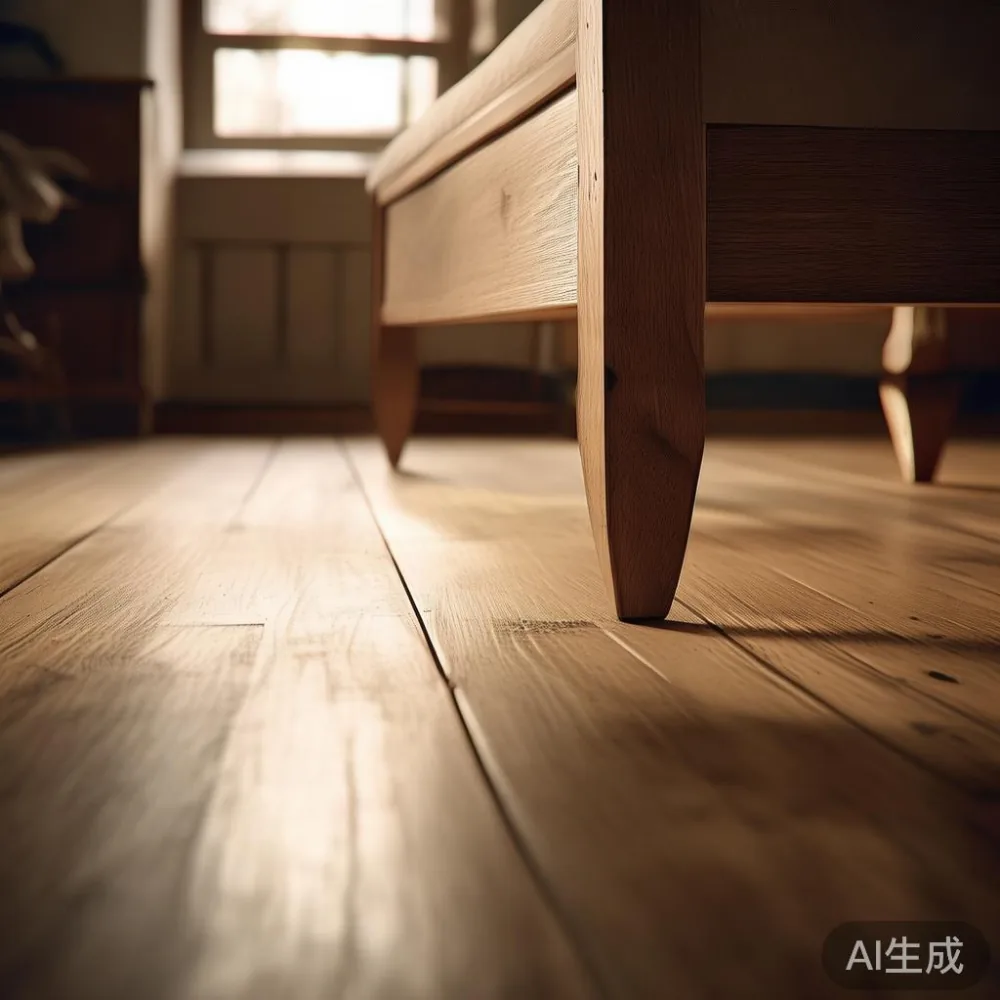
Solid wood furniture is crafted from a single, continuous piece of timber, such as oak, walnut, or mango. This construction method results in a durable, heavy product that ages gracefully, developing a rich patina over time. A standard solid wood king-size bed frame from a reputable maker like MIDHILL weighs approximately 65 kg and has a lifespan measured in decades. The wood's natural grain and texture are unique to each piece, making every item one-of-a-kind. In contrast, veneer furniture consists of a thin layer of real wood applied over a composite core like MDF or particleboard. The core is lightweight, often under 40 kg for the same bed size, and less expensive. However, the veneer layer can be susceptible to peeling, chipping, or moisture damage, especially in Singapore's humid climate where the average relative humidity hovers around 80%.
Initial Purchase Price: A Singaporean Perspective
The upfront cost is often the most significant factor in a furniture purchase. Let's examine the prices for a complete bedroom set: a bed frame, two nightstands, and a wardrobe. In Singapore, a veneer set from a local retailer might cost SGD 2,500. This price includes a queen-size bed frame, two matching nightstands, and a four-door wardrobe. The veneer pieces are finished with a smooth, consistent surface that mimics the look of solid wood but at a fraction of the cost. For comparison, a solid wood bedroom set from a Foshan furniture specialist like MIDHILL would start at approximately SGD 5,800 for a similar collection. The solid wood pieces, made from North American oak, are noticeably heavier and have a more substantial feel. The price difference is substantial, but it reflects the material quality, construction, and longevity of the furniture.

What About Delivery and Installation Costs?
In Singapore, logistics add another layer to the cost. Delivery for a bedroom set, especially to an HDB flat, requires working through narrow corridors and lift dimensions. A standard HDB lift is approximately 110 cm wide by 210 cm deep. A king-size solid wood bed frame, measuring 183 cm wide by 208 cm deep, requires careful maneuvering. Most reputable furniture companies include delivery and basic installation in their price. For veneer furniture, delivery might be free for orders over SGD 350, a common threshold. However, for solid wood, the delivery cost is often bundled into the higher purchase price. A colleague of mine recently had a solid wood bed frame delivered to her new condo in Punggol. The delivery team of three took 45 minutes to assemble it in her bedroom, which was a significant contrast to the 20-minute delivery of her previous veneer set. The extra manpower and time are part of the service associated with premium, heavier furniture.
Long-Term Maintenance and Repair Costs
The true cost of furniture reveals itself over time. Veneer furniture requires careful maintenance. The thin wood layer can be damaged by heat from a hot mug or by sharp objects. A small scratch on a veneer surface is difficult to repair and often requires replacing the entire panel. In Singapore's climate, the constant humidity can cause the veneer to warp or peel at the edges, a repair that can cost SGD 150 to SGD 300 per visit from a professional technician. Over five years, a homeowner might spend SGD 600 to SGD 1,200 on such repairs. Solid wood furniture, on the other hand, is far more forgiving. Minor scratches can be sanded out and the surface refinished. A solid wood bed frame can be completely refinished multiple times over its lifetime. A lifetime refinishing warranty, offered by some makers like MIDHILL, means the owner can send the piece back for a professional sand and revarnish for a nominal fee, often covering material costs. Over five years, maintenance costs for solid wood are minimal, perhaps SGD 100 for some high-quality wood polish.
Depreciation and Resale Value: The Hidden Factor
When calculating a 5-year cost, it's important to consider depreciation. Veneer furniture depreciates rapidly. A SGD 2,500 bedroom set might be worth only SGD 500 after five years of use, representing an 80% loss in value. The composite core is prone to damage, and the style may feel dated. Solid wood furniture, however, holds its value remarkably well. A SGD 5,800 solid oak bedroom set might retain a value of SGD 3,000 to SGD 4,000 after five years, assuming it has been well-maintained. The timeless appeal and durability mean it can be sold as a premium second-hand piece. This difference in resale value significantly alters the total cost of ownership. The effective cost of the veneer set over five years is SGD 2,500 (purchase) - SGD 500 (resale) = SGD 2,000. The effective cost of the solid wood set is SGD 5,800 (purchase) - SGD 3,500 (resale) = SGD 2,300. The gap narrows considerably when resale is factored in.
Is Solid Wood Really Worth the Higher Initial Investment?
This is the central question for many homeowners. The numbers suggest that while the initial outlay for solid wood is more than double, the total 5-year cost is only slightly higher. This calculation does not account for the non-monetary benefits. Solid wood furniture offers a sense of permanence and quality that veneer cannot match. It feels substantial in the hand, and its natural beauty adds warmth to a space. For a light luxury bedroom decor, solid wood provides a more authentic and sophisticated foundation. Imagine a solid wood bed frame next to a marble-topped nightstand; the combination of natural wood and stone creates a classic, elegant aesthetic. A veneer piece, while visually similar at first, lacks the same tactile and emotional connection. The peace of mind that comes with a 10-year structural warranty, ensuring the frame won't sag or crack, is a significant value proposition that extends far beyond the five-year period we are examining.
Style and Versatility: Adapting to Singaporean Tastes
Furniture is not just about function; it's about style. Veneer furniture is often available in a wide range of modern, trendy finishes that appeal to a younger demographic looking for a quick refresh. Solid wood furniture tends to lean towards more classic and rustic styles, but it offers incredible versatility in terms of customisation. A solid wood piece can be easily painted or stained to match any decor scheme. For example, a client of mine wanted a light luxury aesthetic for her master bedroom in a Bedok HDB flat. She chose a solid wood bed frame in a light oak finish and had it custom-painted with a chalky white wash to achieve a French light luxury look. This level of personalisation is difficult with veneer, as the thin layer can be damaged by the sanding and painting process. The ability to adapt solid wood to different styles—from post-modern light luxury to a more rustic farmhouse look—makes it a long-term investment in your home's design.
The Singapore Context: Space, Climate, and Lifestyle
Living in Singapore presents unique challenges for furniture. The high humidity is a constant test for any wooden piece. Veneer's glue can weaken over time, leading to bubbling or peeling edges. Solid wood, while it can also be affected by humidity, is more resistant. It can expand and contract with the seasons, a natural process that high-quality construction accommodates. The size of Singaporean homes is another factor. While a solid wood wardrobe is heavier, its construction is often more efficient, using less filler material than a veneer equivalent, sometimes resulting in a slightly smaller footprint. For those with the space, such as in a larger Punggol condo, the substantial presence of solid wood furniture can enhance the feeling of luxury and permanence. The weight also means the furniture is less likely to be accidentally moved or damaged, a practical benefit in a busy household.
Final Verdict: A 5-Year Financial Snapshot
Let's put it all together in a simple table for a queen-size bedroom set over five years.
| Category | Veneer Bedroom Set | Solid Wood Bedroom Set |
|---|---|---|
| Initial Purchase Price (SGD) | 2,500 | 5,800 |
| 5-Year Maintenance & Repair (SGD) | 900 | 100 |
| Estimated Resale Value (SGD) | 500 | 3,500 |
| Total Net Cost (SGD) | 3,000 | 2,400 |
The analysis shows that over a five-year period, the solid wood option is actually less expensive when you factor in resale value and minimal maintenance. The higher initial price is offset by the lower total cost of ownership. This makes solid wood a financially sound choice for those who plan to stay in their home for several years. The added benefits of durability, timeless style, and emotional satisfaction are valuable bonuses that extend beyond the numbers. For creating a truly light luxury bedroom decor that endures, solid wood proves to be the more prudent investment.